
Two-Year Wild Blueberry Production Cycle
First Year (Vegetative)
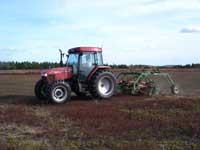
Mowing and/or burning harvested fields and the emergence of new plants.
-
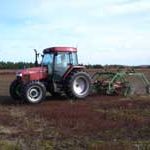
- Mowing a harvested field.
-
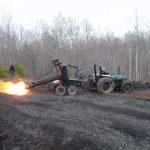
- Burning a harvested field.

-
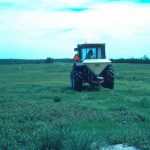
- Applying sulfur to control weeds.
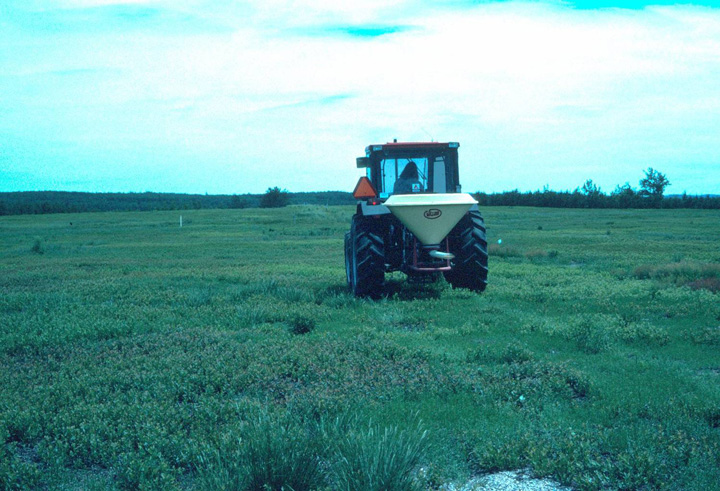
-
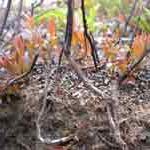
- Emergence of new plants after burn.
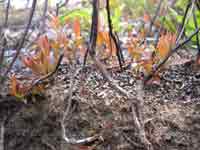
-
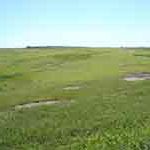
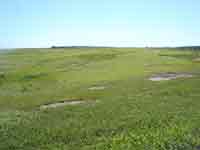
- First year vegetative growth.
-
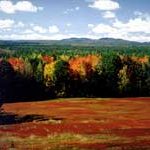
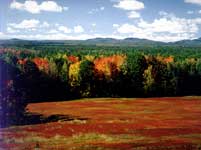
- Blueberry field in the Fall.
Second Year (Fruit-Bearing)
Pollinating, irrigating, monitoring for insects and disease, and harvesting berries.
-
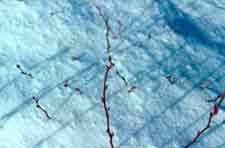
- Stems covered by snow in winter.
-
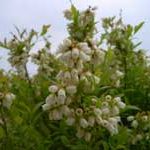
- Blueberry bell-shaped blossoms.

-
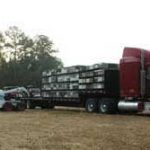
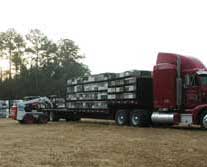
- Truck delivering bee hives.
-
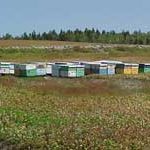
- Bee hives set in field.

-
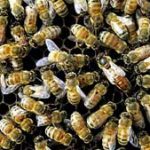
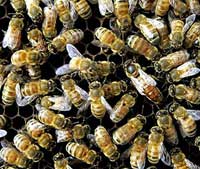
- Honeybees in hives.
-
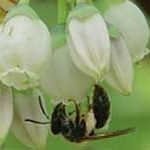
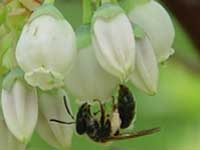
- Bee pollinating blueberry blossom.
-
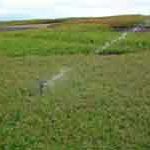
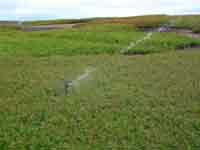
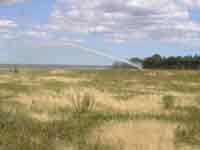
- Irrigating a blueberry field.
-
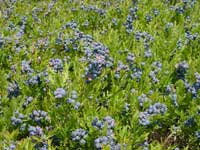
- Blueberries ripening in field.
-
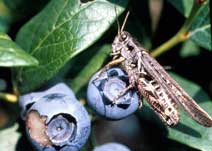
- Grasshopper feeding on blueberries and foliage.
-
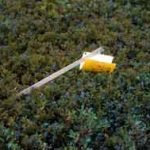
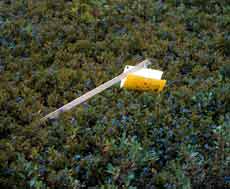
- Field trap made of coated sticky material used to monitor blueberry fruit fly.
-
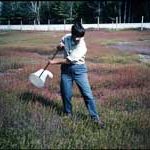
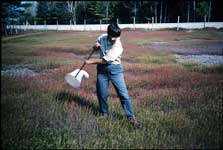
- A sweep net can be used to effectively detect all wild blueberry pest insects.
-
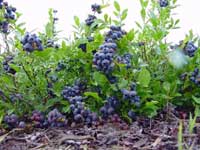
- Blueberries are ready to harvest.
-
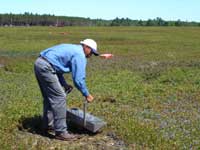
- Hand raking blueberries.
-
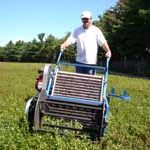
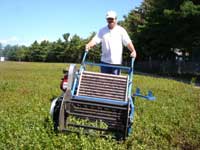
- Using a small harvester to harvest berries.
-
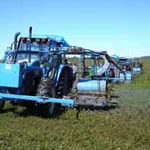
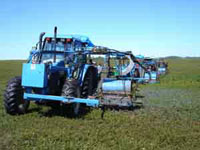
- A Bragg harvester used to harvest berries.
-
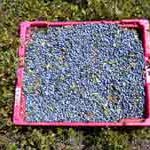
- A box of harvested berries.
-
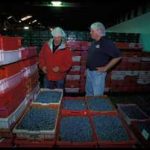
- Boxes of harvested blueberries for processing.

Information in this publication is provided purely for educational purposes. No responsibility is assumed for any problems associated with the use of products or services mentioned. No endorsement of products or companies is intended, nor is criticism of unnamed products or companies implied.
© 2010
Call 800.287.0274 (in Maine), or 207.581.3188, for information on publications and program offerings from University of Maine Cooperative Extension, or visit extension.umaine.edu.
The University of Maine is an EEO/AA employer, and does not discriminate on the grounds of race, color, religion, sex, sexual orientation, transgender status, gender expression, national origin, citizenship status, age, disability, genetic information or veteran’s status in employment, education, and all other programs and activities. The following person has been designated to handle inquiries regarding non-discrimination policies: Director of Equal Opportunity, 101 Boudreau Hall, University of Maine, Orono, ME 04469-5754, 207.581.1226, TTY 711 (Maine Relay System).