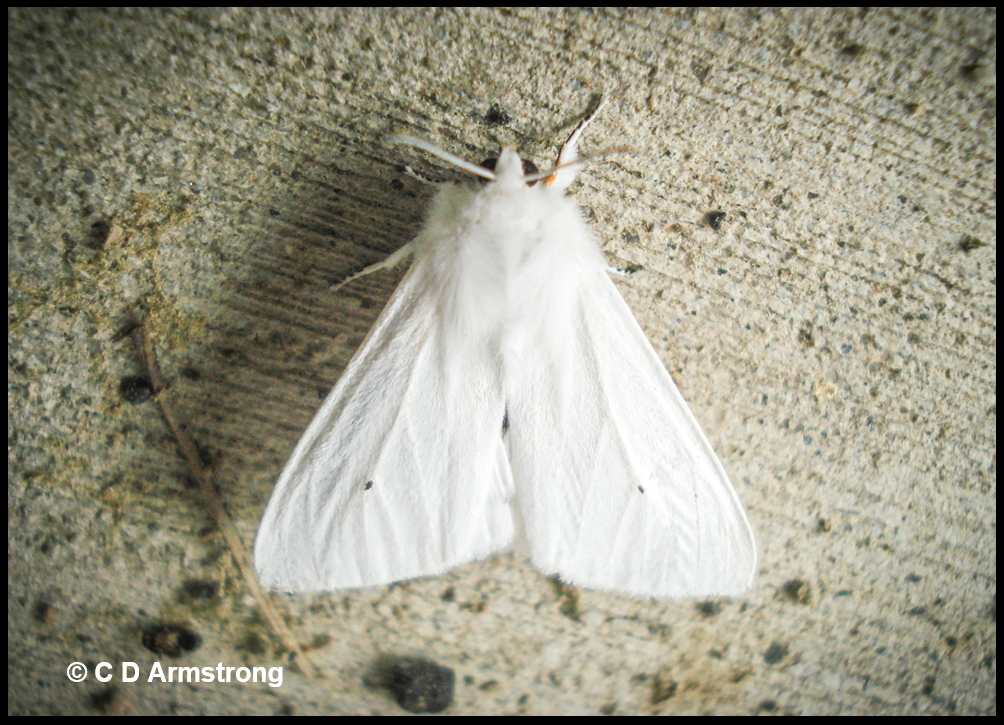
Photo Gallery: Caterpillars And What They Become
-

-
American Lady (Vanessa virginiensis) (Brunswick, ME; 6/11/2025) (Photo courtesy of David Fasulo)
-

-
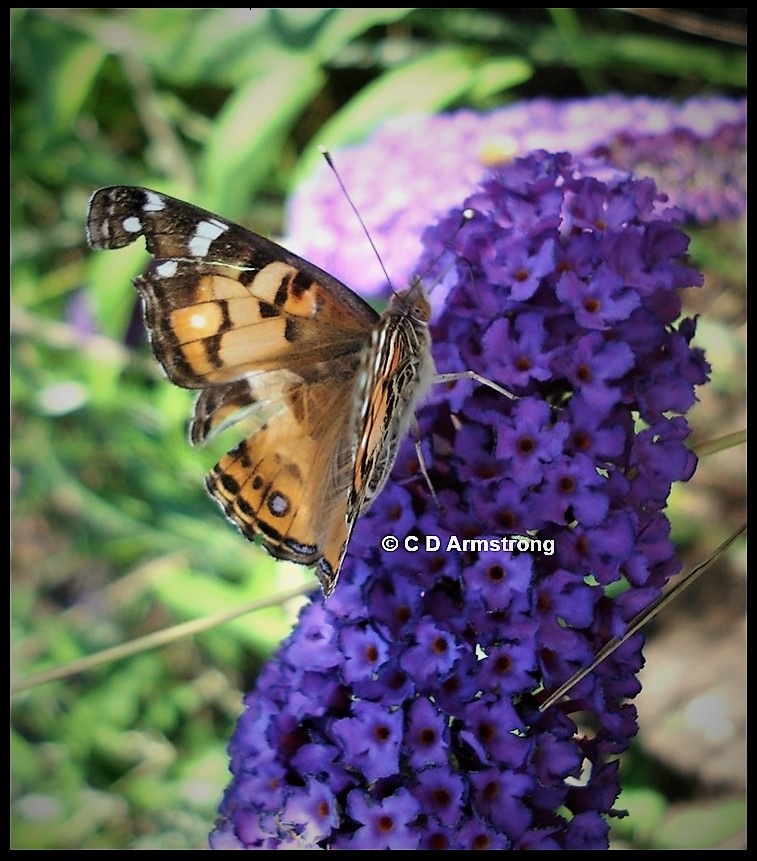
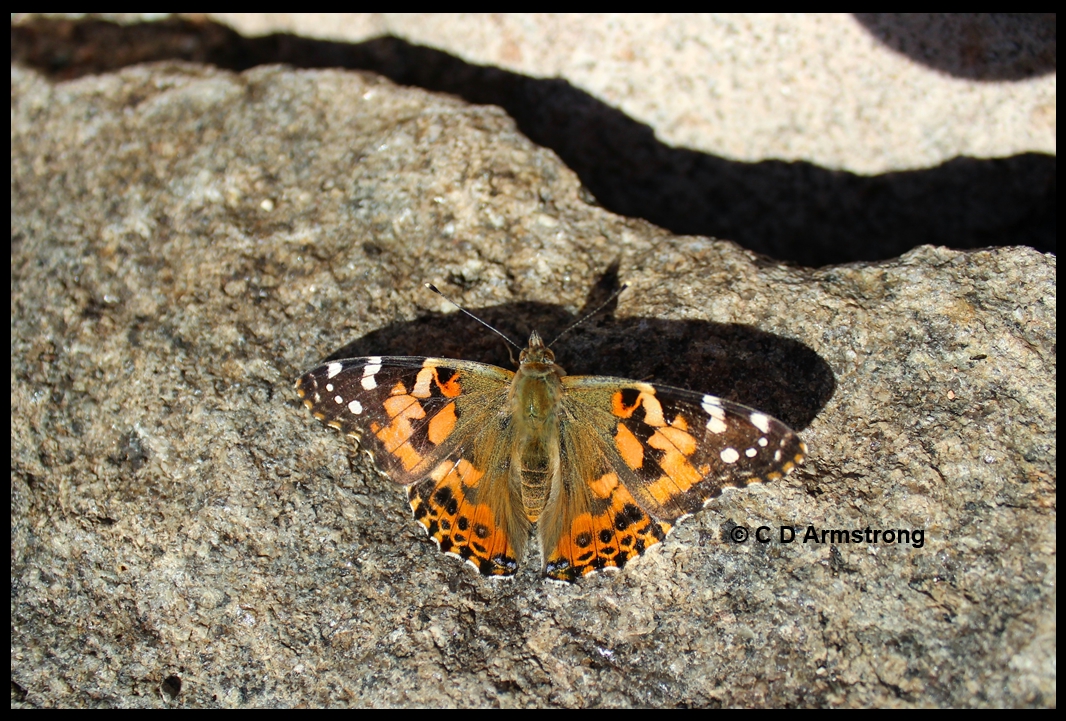
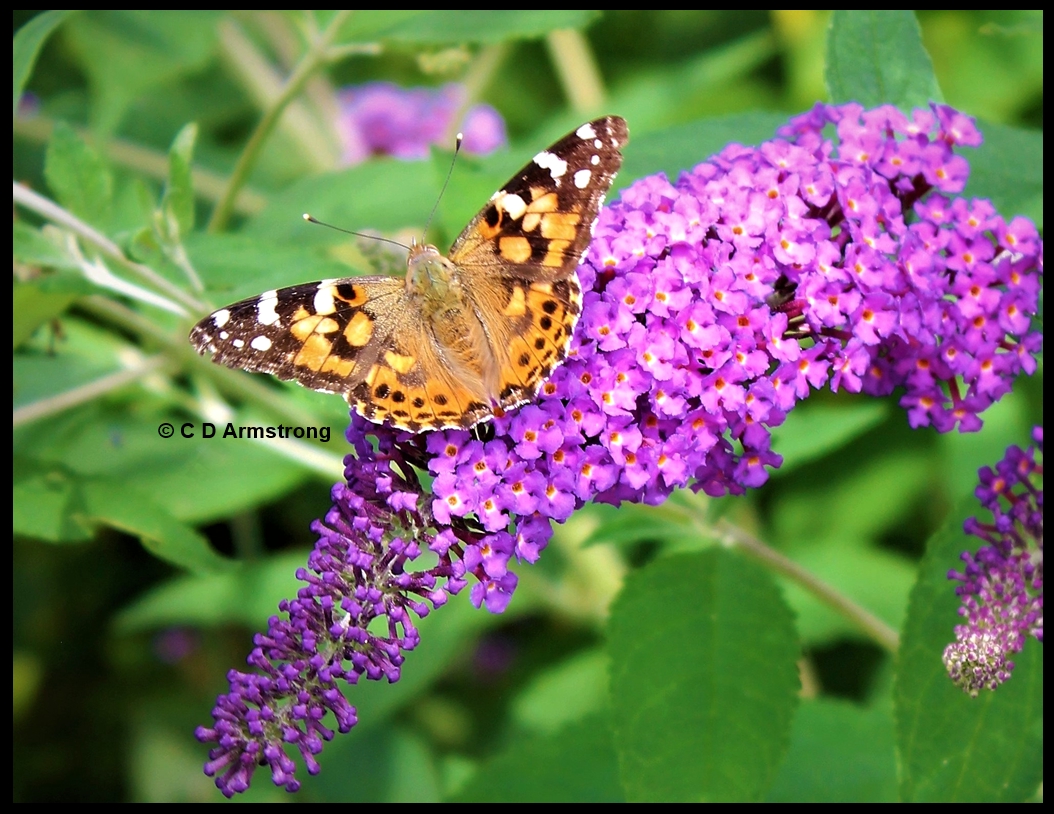
American Lady Butterfly (Vanessa virginiensis) (Boothbay, Maine; 9/1/2008) (also called American Painted Lady and very similar to Vanessa cardui)
-
-
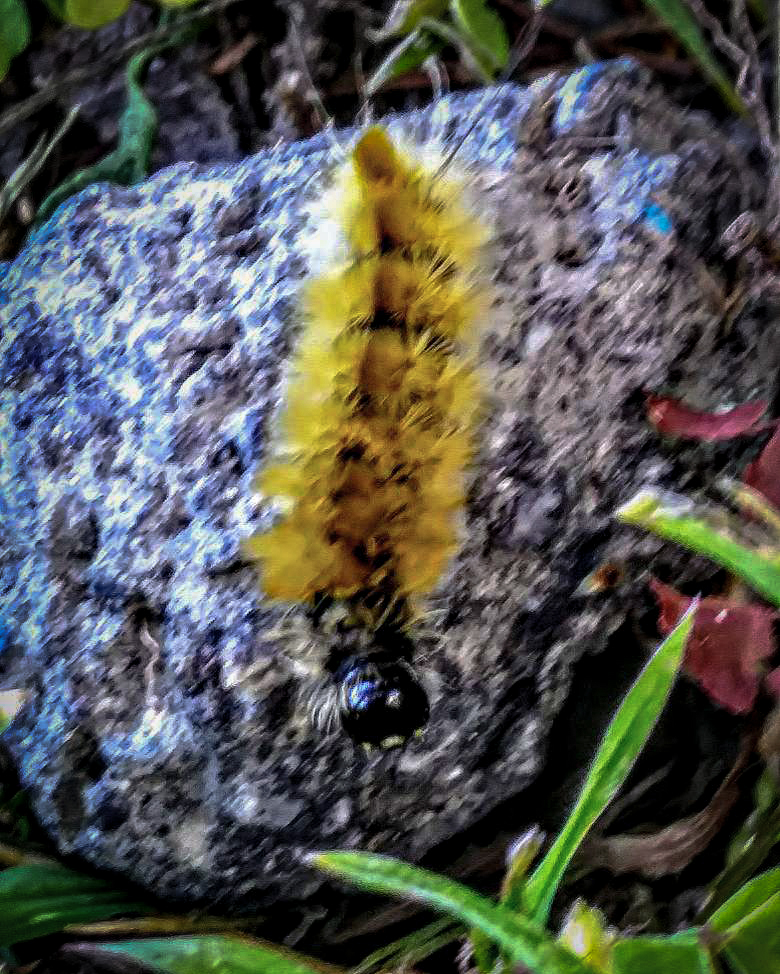
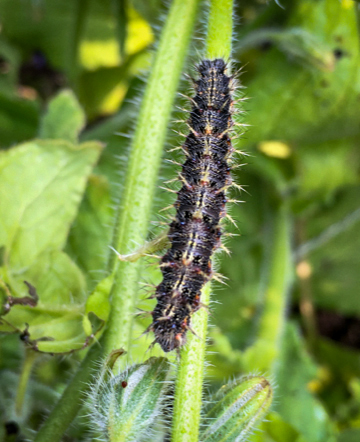
Banded Tussock (Halysidota tessellaris) (Hollis, ME; 9/8/2023) (Photo courtesy of Elizabeth Saunders)
-
-
Banded Tussock (most of the long hairs on this specimen have broken off; it’s a defensive adaptation) (9/3/2020; Farmington, ME; photo courtesy of Hannah A.)
-
-
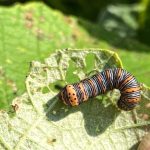
Banded Tussock Moth (Halysidota tessellaris) (Naples, ME; 6/18/2024) (Photo courtesy of M. Shepard)
-
-
Beautiful Wood-nymph (Eudryas grata) (feeding on grape leaves–one of its host plants–in Naples, ME; 8/24/2023) (Photo courtesy of M. Shepard)
-
-
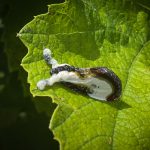
Beautiful Wood-nymph Moth (Eudryas grata) (a very convincing bird-dropping mimic) (on Vitis vinifera – common grape vine; Naples, ME; 7/13/2025) (Photo courtesy of M. Shepard)
-
-
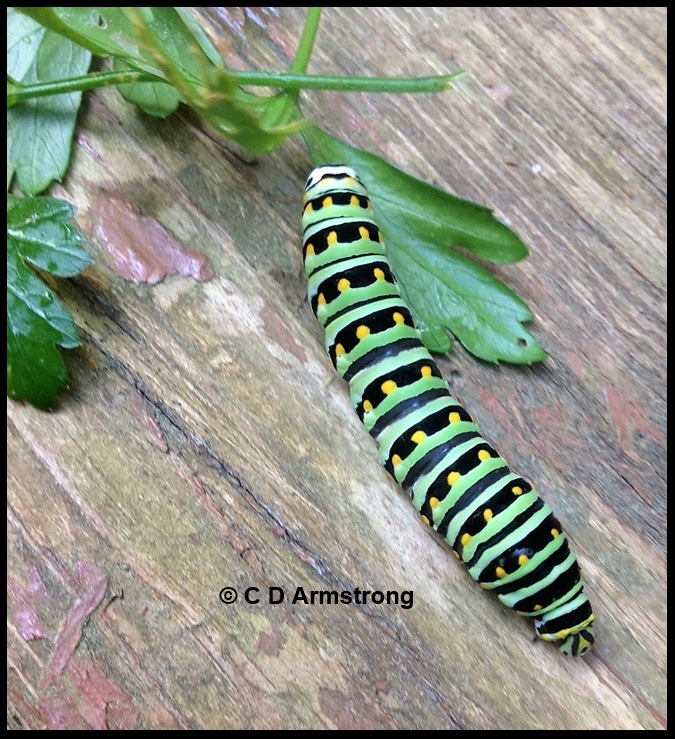
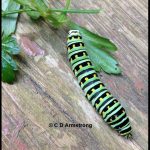
Full-grown caterpillar of the Black Swallowtail (other names: Eastern Black Swallowtail, American Swallowtail, Parsnip Swallowtail, Parsley Caterpillar, Celeryworm, and Caraway worm)
-
-
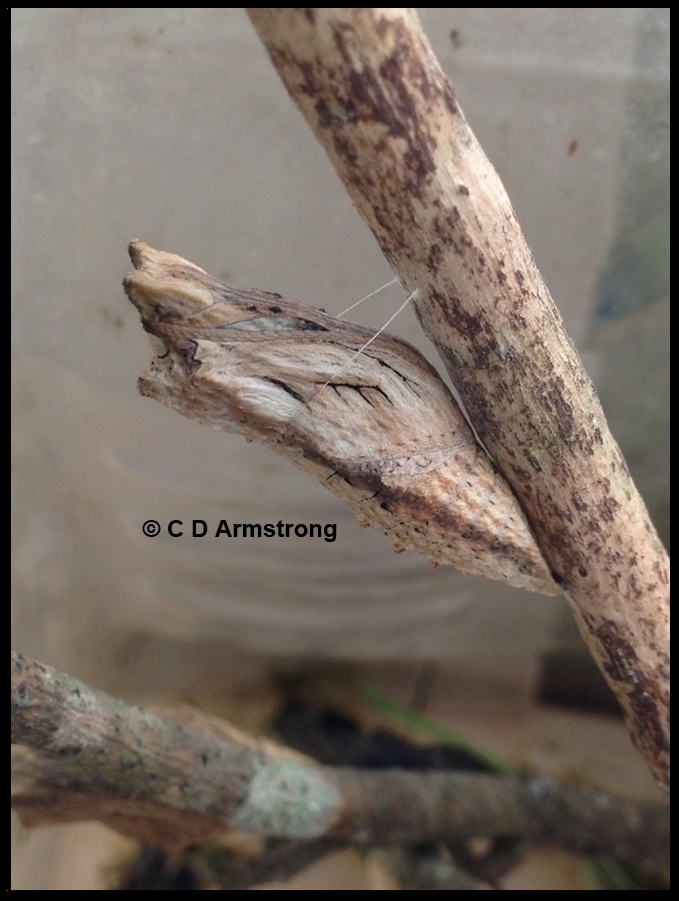
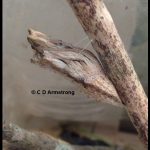
Chrysalis of the Black Swallowtail, supported by two strands of silk called a silk girdle (‘brown’ form of chrysalis shown here; there is also a ‘green’ form which is green)
-
-
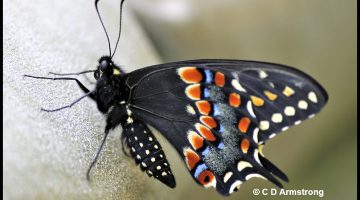
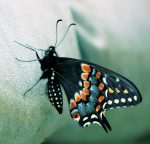
Eastern Black Swallowtail butterfly (newly emerged from its chrysalis which can be seen in the bottom left of the image) (Etna, ME; 6/19/2019)
-
-
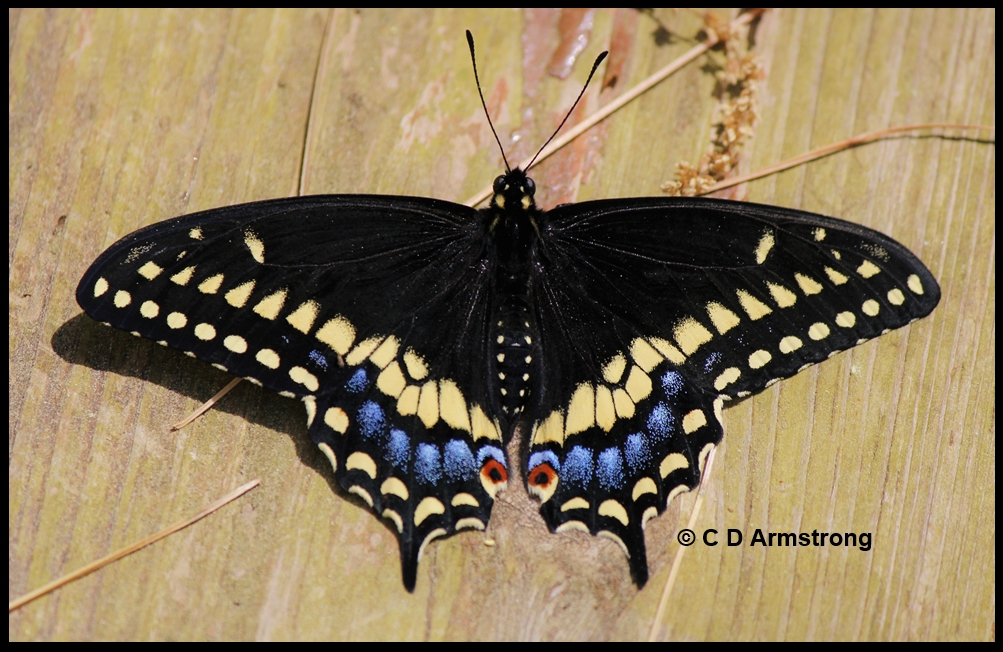
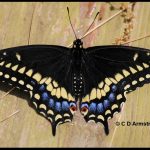
Eastern Black Swallowtail Butterfly (male) — Papilio polyxenes (Etna, ME; 6/19/2019)
-
-
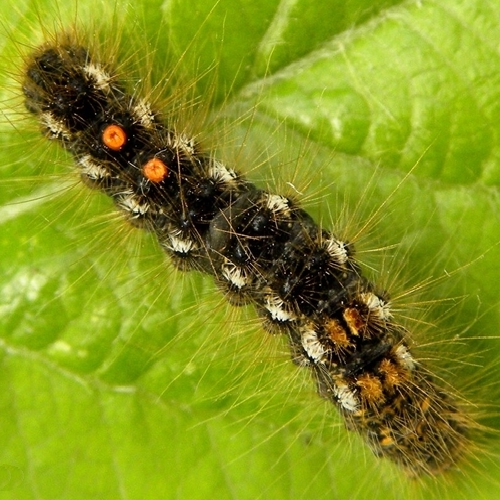
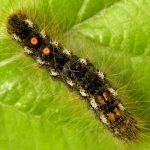
Browntail Moth (late instar caterpillar stage)
-
-
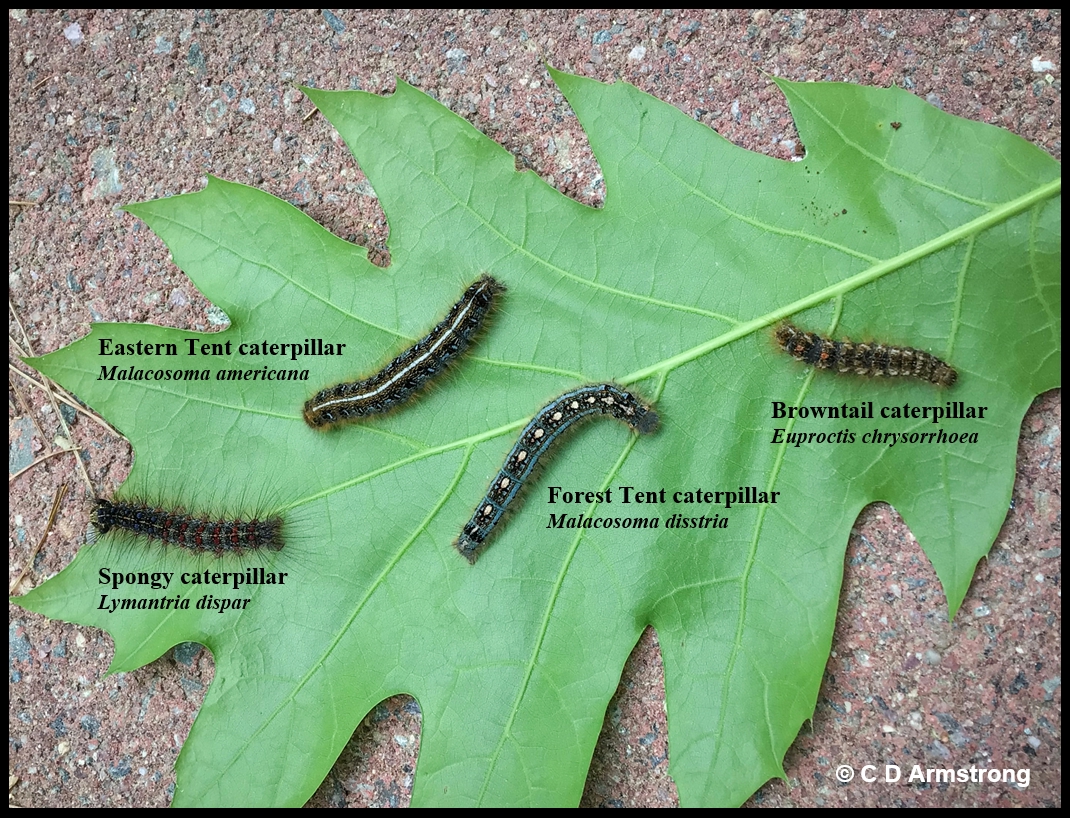
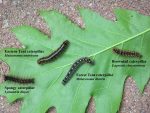
Comparison of four different caterpillar species in Maine that are sometimes difficult for people to differentiate, and oak is one of the hosts they all have in common (Photographed: central Maine; 6/12/2022) (Eastern Tent caterpillar, Spongy caterpillar, Forest Tent caterpillar, and the Browntail caterpillar)
-
-
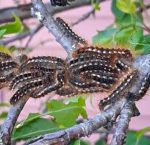
Browntail Caterpillars on a crabapple tree in Waterville, Maine; 5/12/2021 (Photo courtesy of Jamie Graves)
-
-
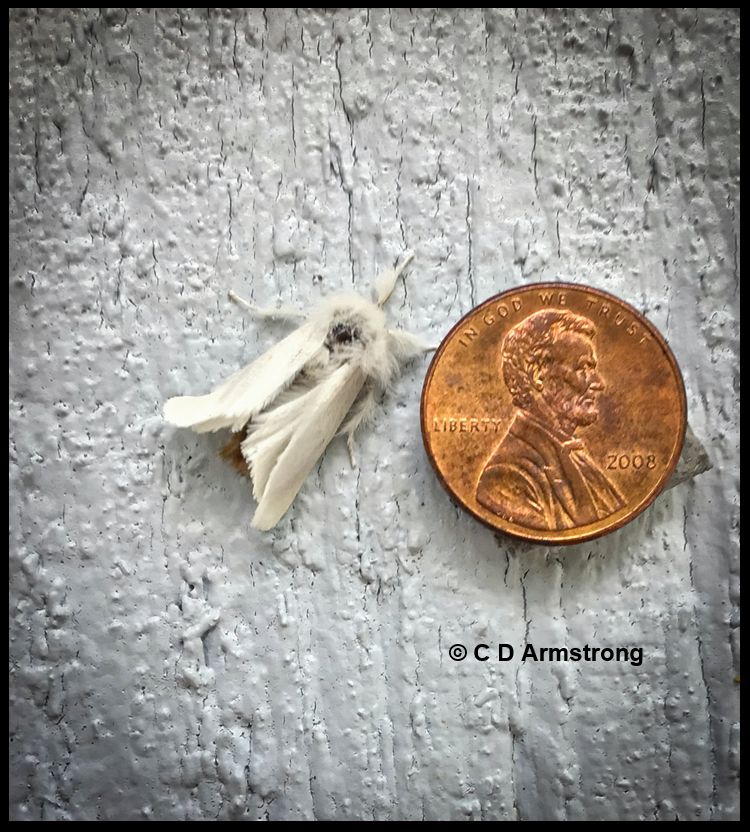
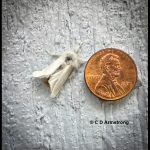
Browntail Moth (Etna, ME; 6/28/2021)
-
-
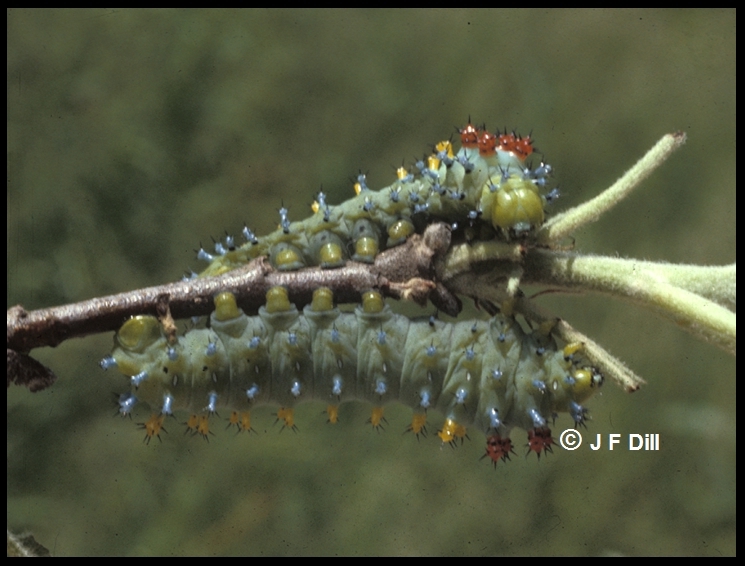
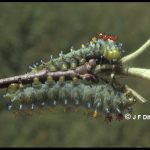
Cecropia Caterpillars
-
-
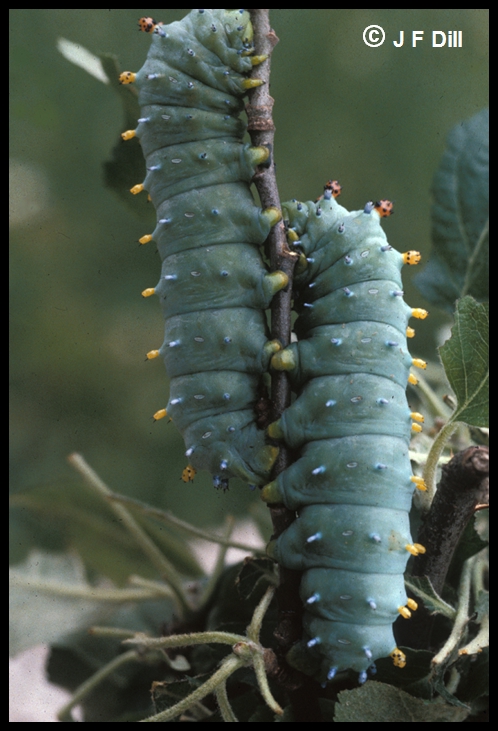
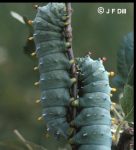
Cecropia Caterpillars
-
-
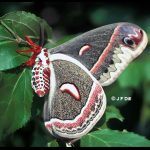
Cecropia Moth (Hyalophora cecropia)
-
-
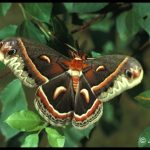
Cecropia Moth
-
-
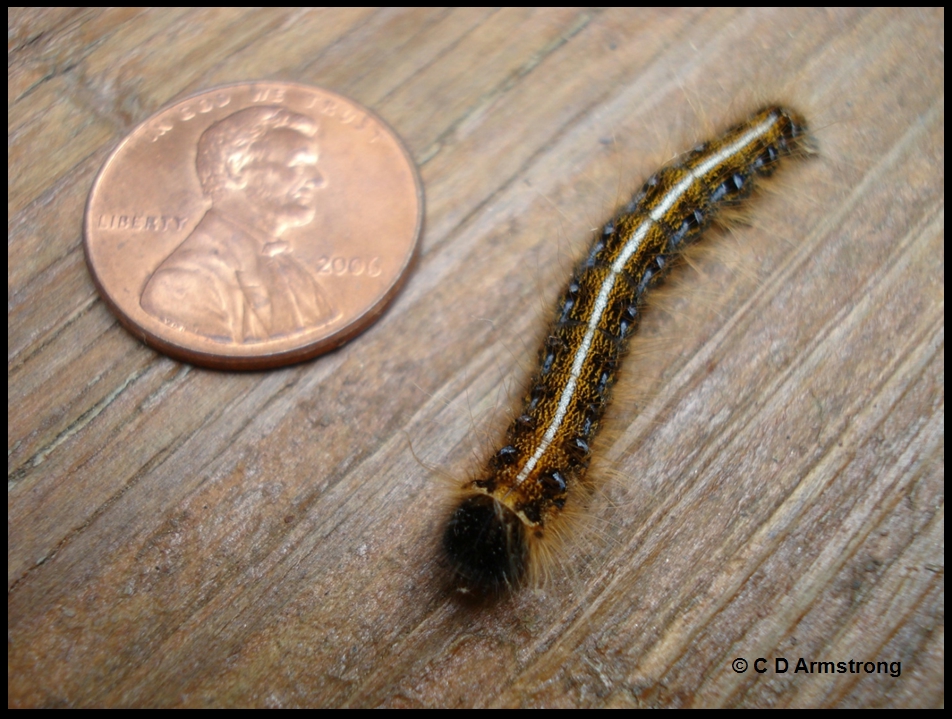
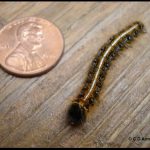
A mature Eastern Tent Caterpillar (Central Maine: June 5th, 2015)
-
-
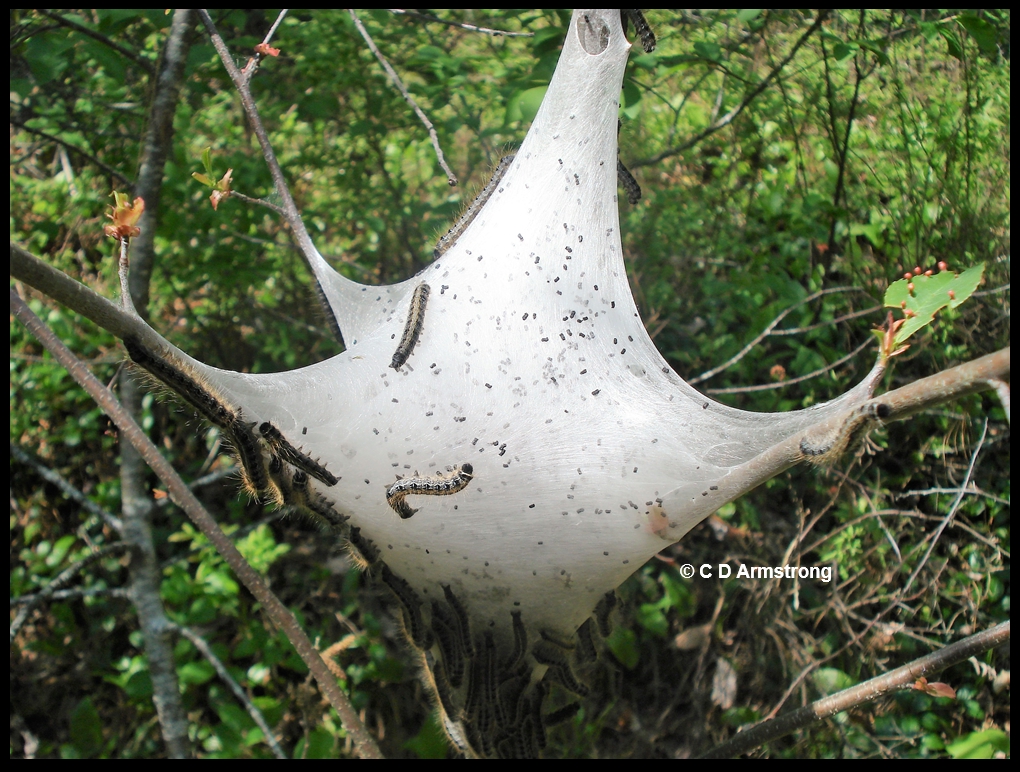
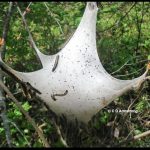
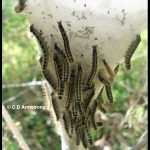
A nest of Eastern Tent Caterpillars (Mid-May, 2012; Aurora, ME)
-
-
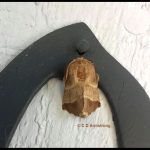
Closer view of the bottom of the nest shown in the adjacent photo
-
-
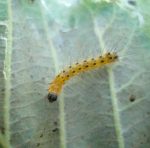
Eastern Tent Moth (Malacosoma americana) (Etna, ME; 6/29/2022)
-
-
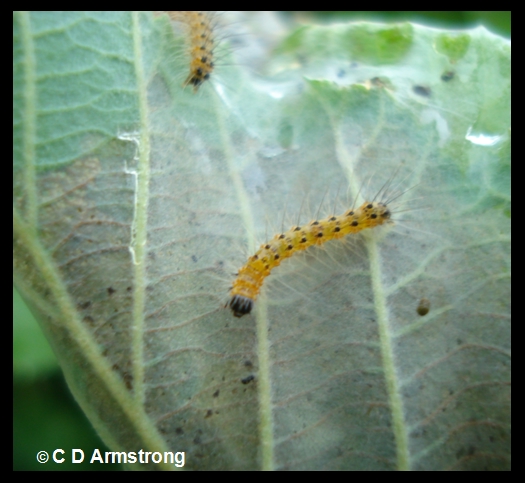
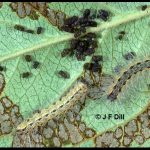
Fall Webworm caterpillar (early stage of development) (these build nests but they are not considered to harm most trees that are generally healthy)
-
-
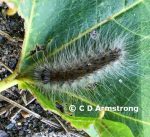
Pair of Fall Webworm caterpillars feeding on a crabapple leaf
-
-
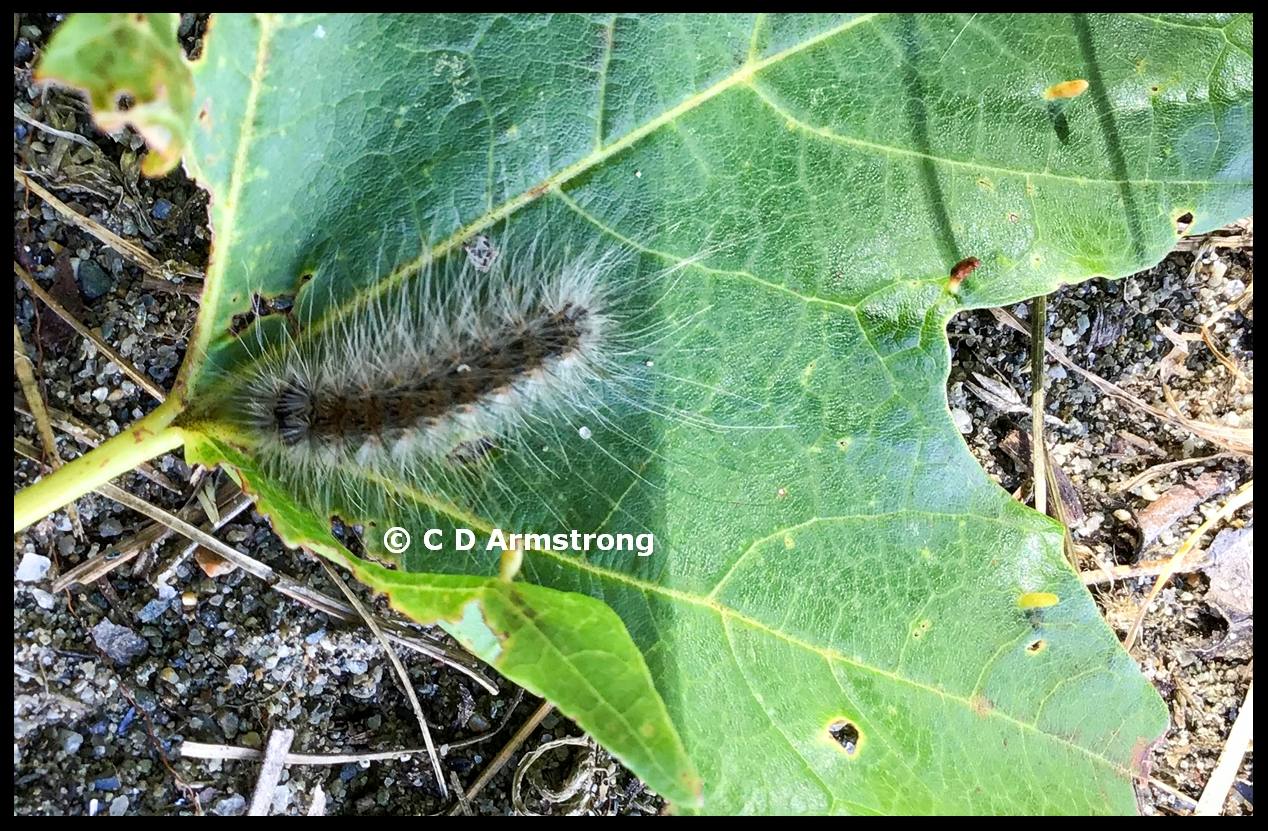
A mature Fall Webworm larva (Farmington, ME; 9/5/2020)
-
-
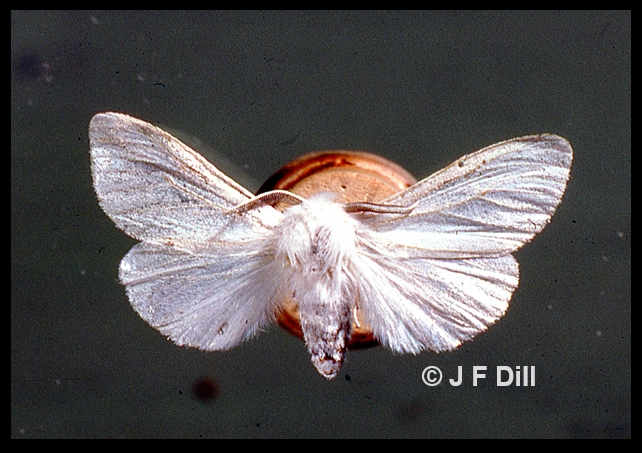
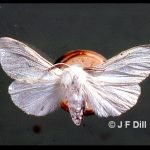
Fall Webworm Moth (see also an example of the spotted form of the fall webworm moth)
-
-
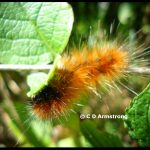
Garden Tiger Caterpillar (also called Great Tiger) (Monhegan Island, ME; 9/12/2011)
-
-
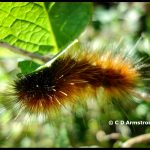
Garden Tiger Caterpillar
-
-
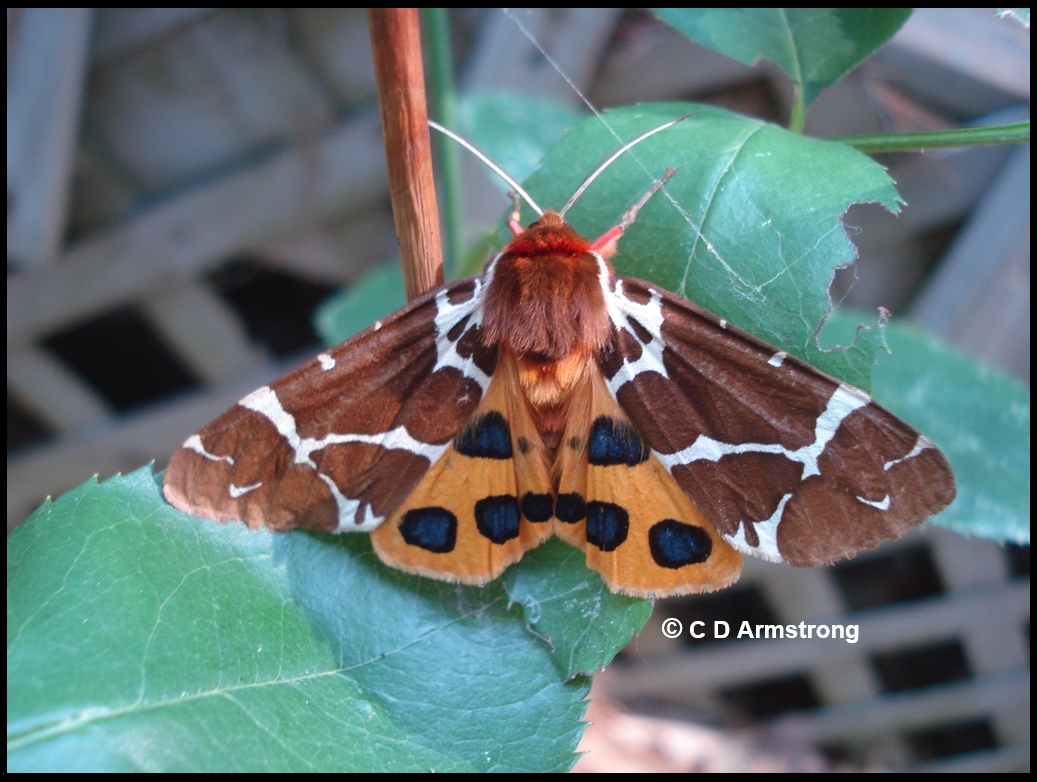
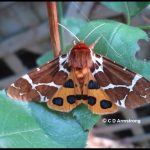
Garden Tiger Moth / Great Tiger Moth (Arctia caja)
-
-
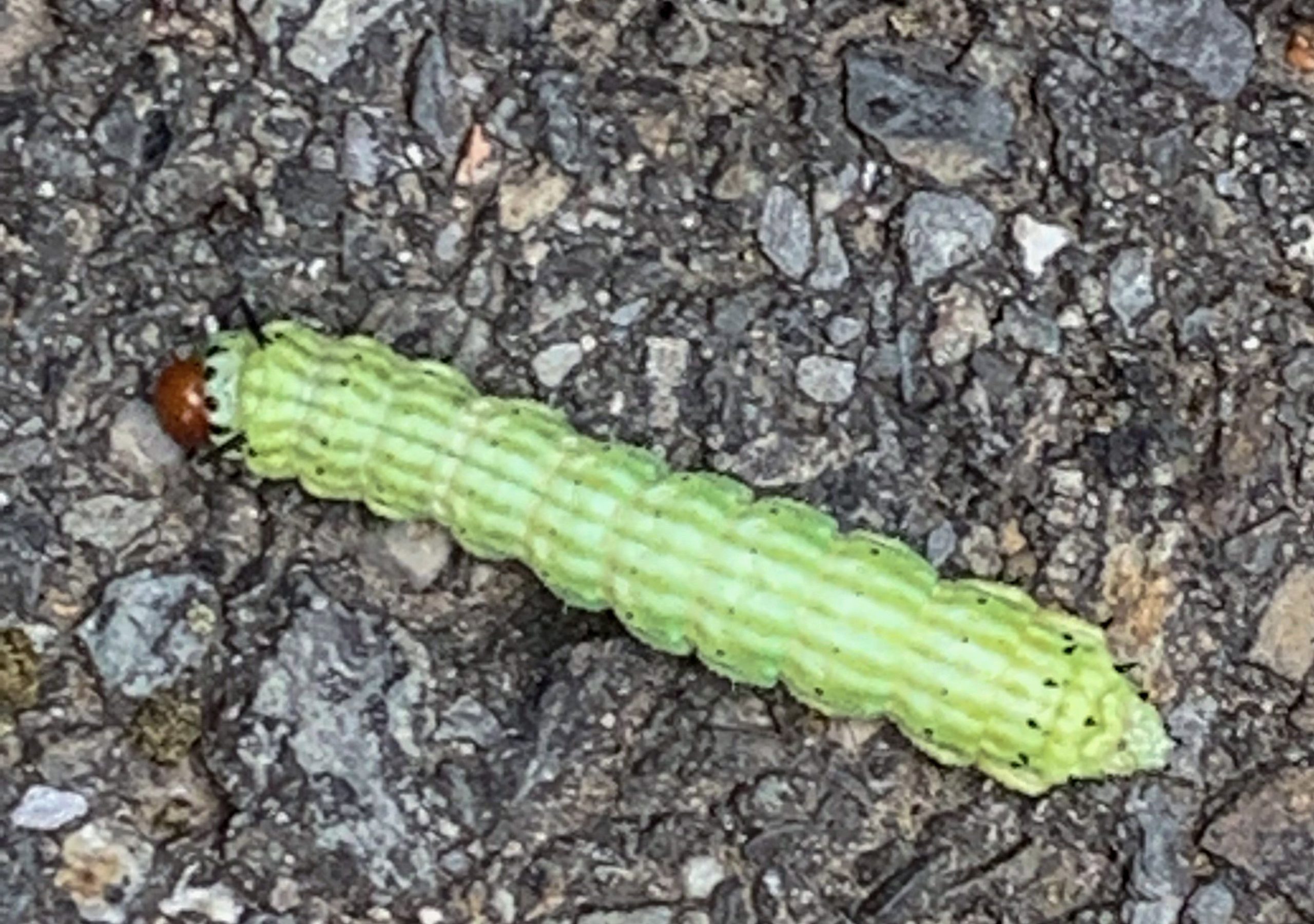
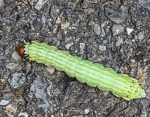
Green-striped Mapleworm Caterpillar (turns into the Rosy Maple Moth) (Dryocampa rubicunda) (Orono, ME; 7/26/2022) (Photo courtesy of Wendy Morrill)
-
-
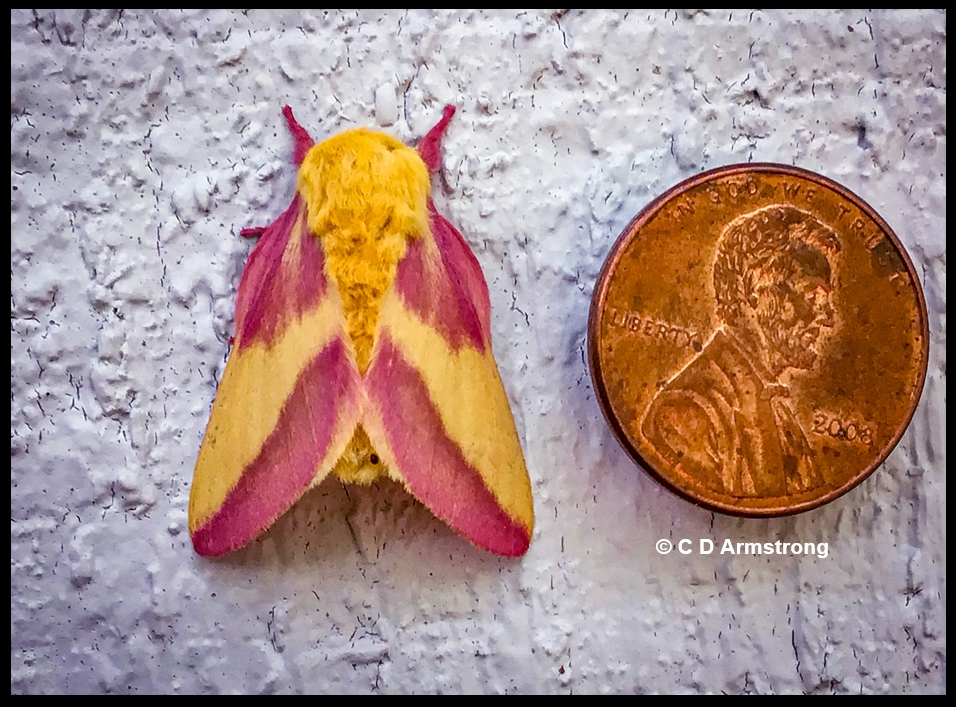
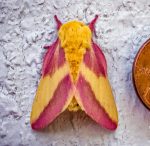
Rosy Maple Moth (Dryocampa rubicunda) (Etna, ME; 6/19/2021)
-
-
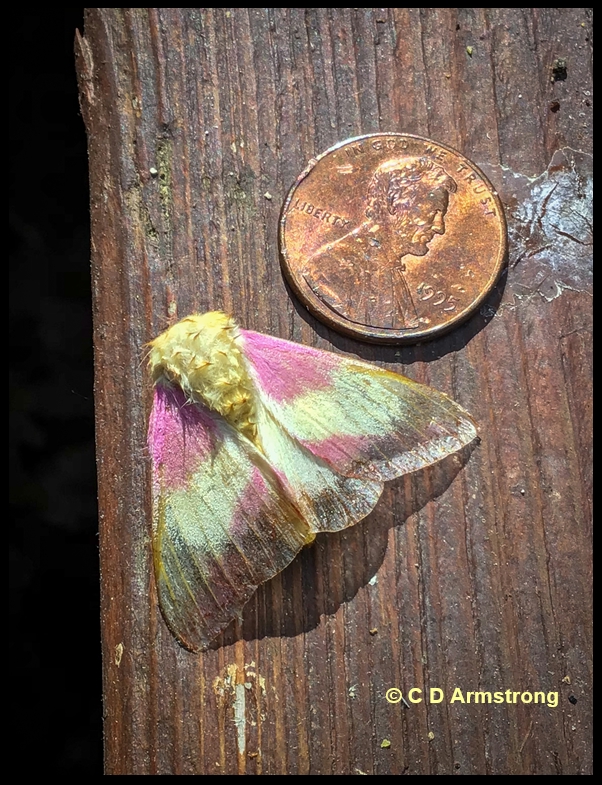
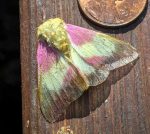
Rosy Maple Moth (older specimen) (Dryocampa rubicunda) (Etna, ME; 5/27/2021)
-
-
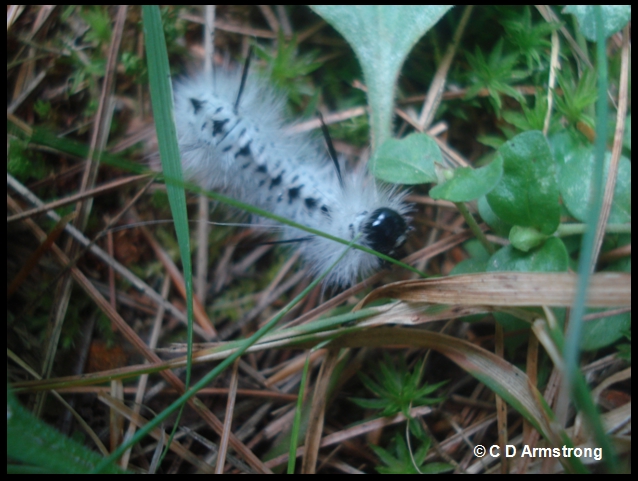
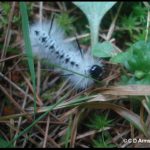
Hickory Tussock (the hairs on many tussock caterpillars can cause an itchy rash)
-
-
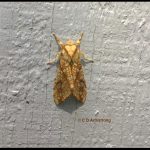
Hickory Tussock (Lophocampa caryae) (Etna, ME; 6/20/2021)
-
-
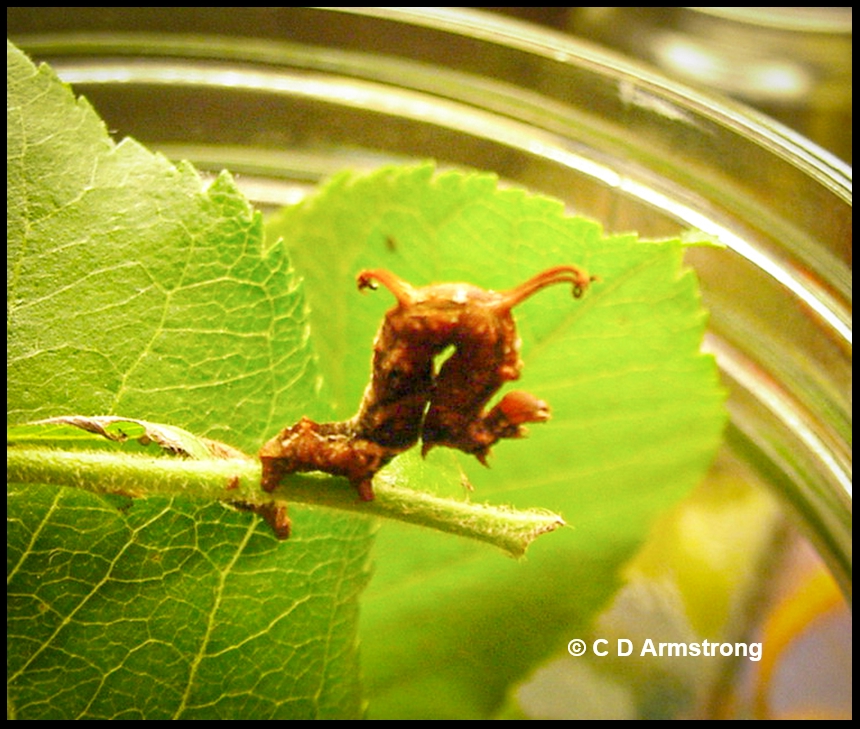
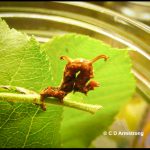
Horned Spanworm (a.k.a. Filament Bearer) (Washington County, Maine; 6/24/2004)
-
-
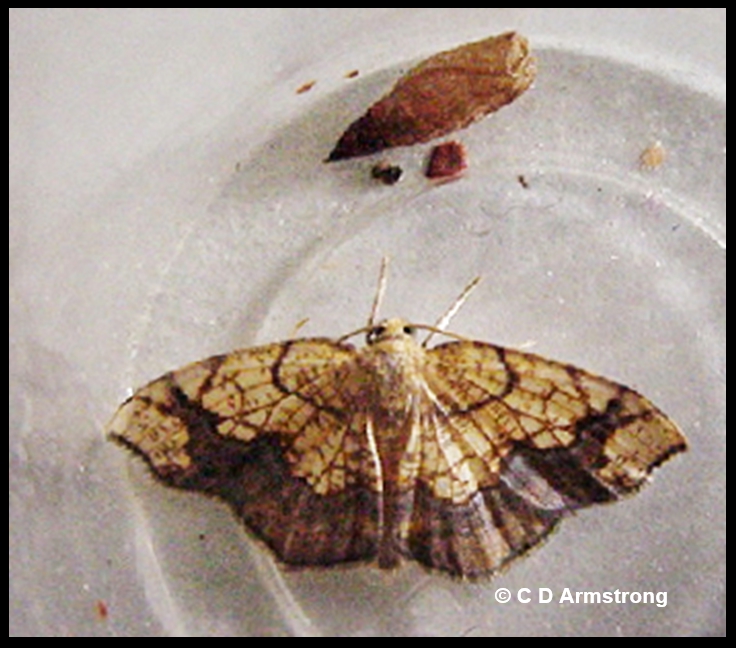
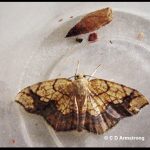
Horned Spanworm Moth (a.k.a. Filament Bearer) (shown with the empty pupa from which it emerged) (Washington County, Maine; 9/29/2008)
-
-
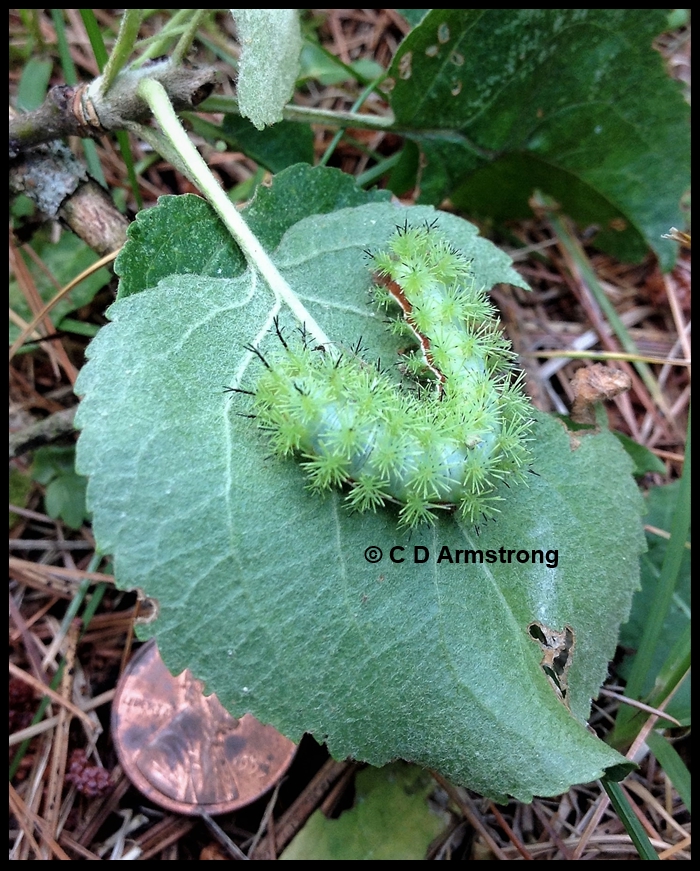
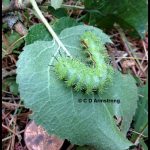
Io Caterpillar (Automeris io) – Plymouth, Maine (August 11, 2019) (possesses stinging spines)
-
-
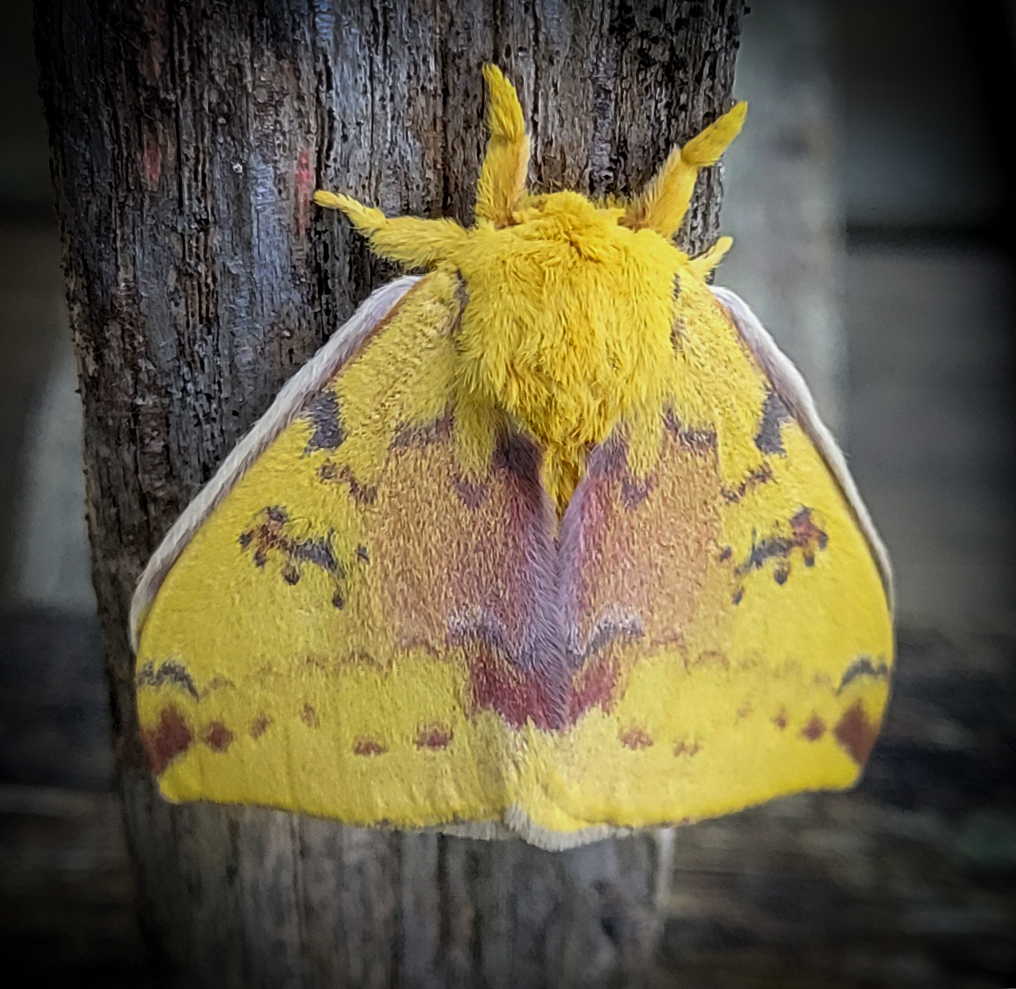
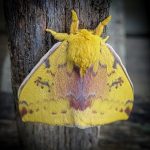
Io Moth (Automeris io) (St. George, ME; 6/25/2024) (Photo courtesy of B. Mroz)
-
-
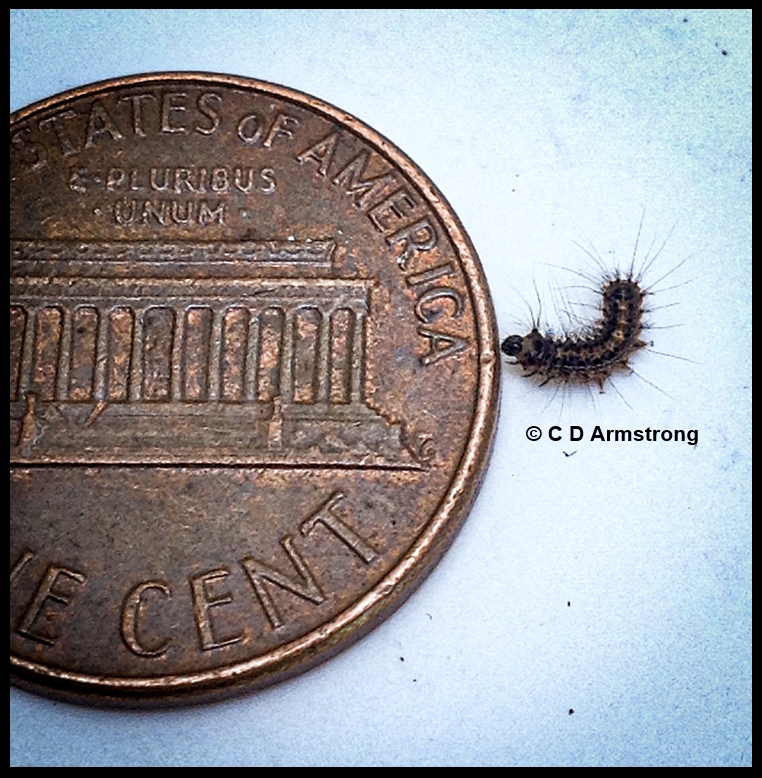
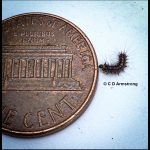
2nd instar Spongy moth caterpillar (males go through five instar stages, while females go through six; each stage lasts about two weeks depending on weather)
-
-
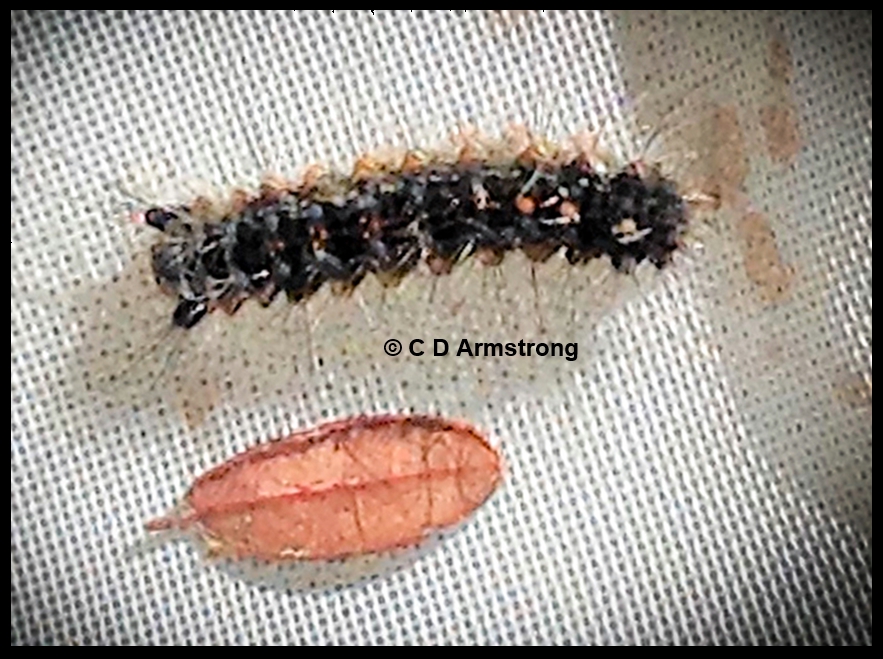
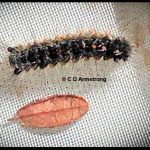
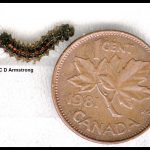
3rd instar Spongy Moth caterpillar (6/17/2019; Turner, Maine)
-
-
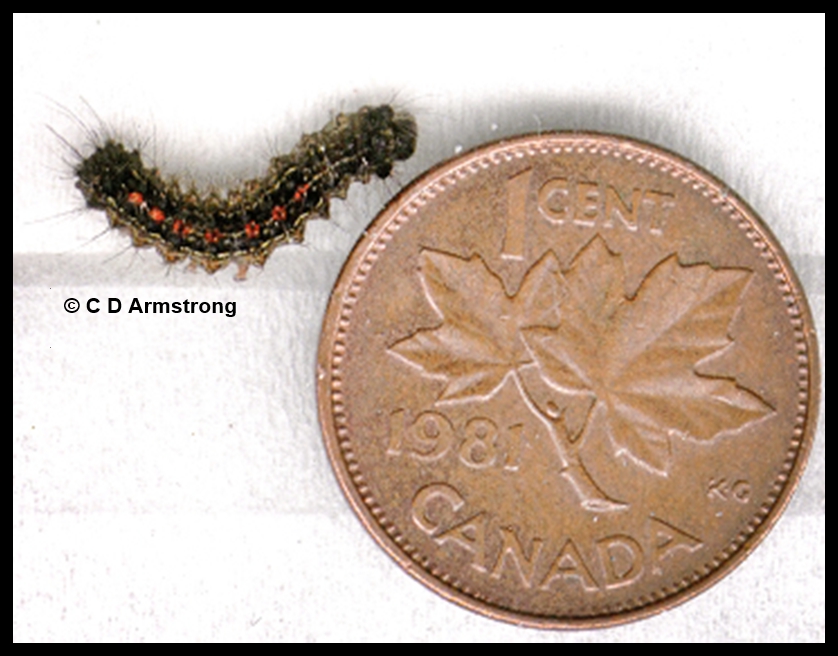
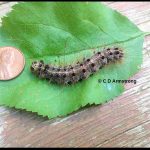
4th instar Spongy Moth caterpillar
-
-
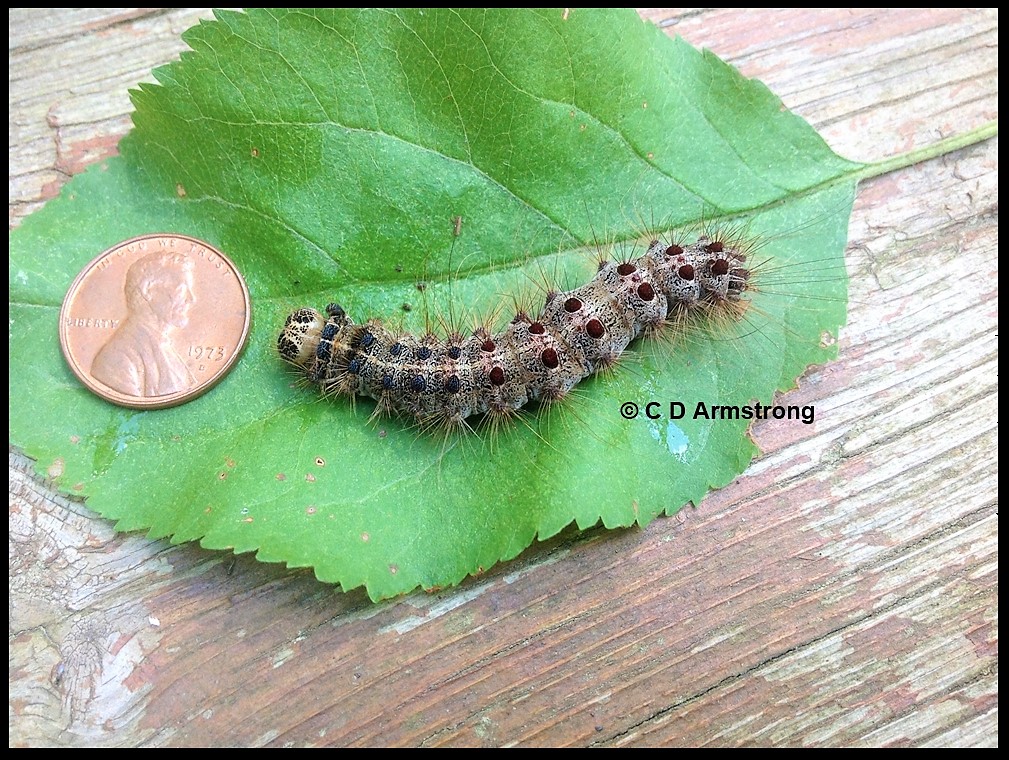
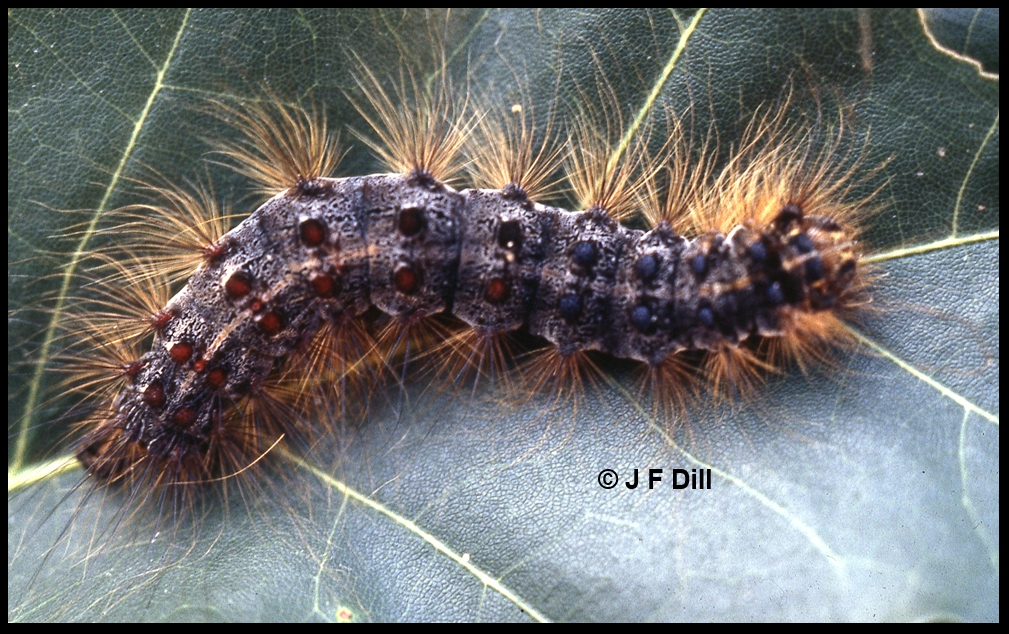
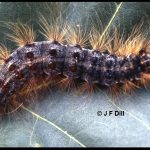
Spongy Moth caterpillar (final instar/mature larva)
-
-
Spongy Moth caterpillar (final instar/mature larva) (Common Name: Spongy Moth)
-
-
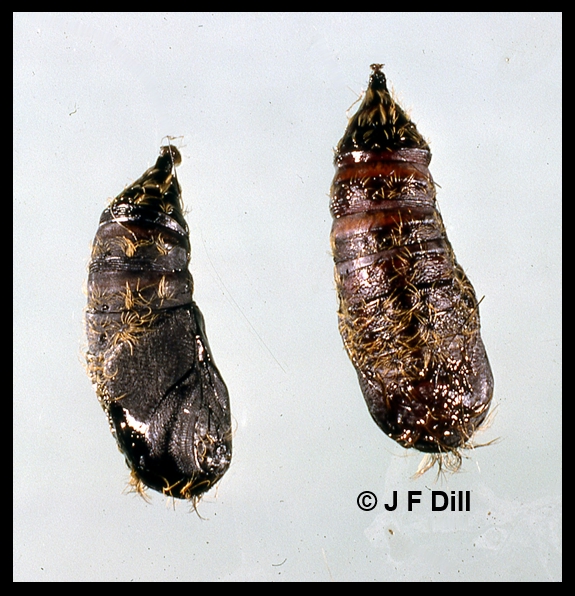
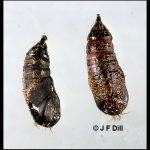
A pair of Spongy Moth pupae
-
-
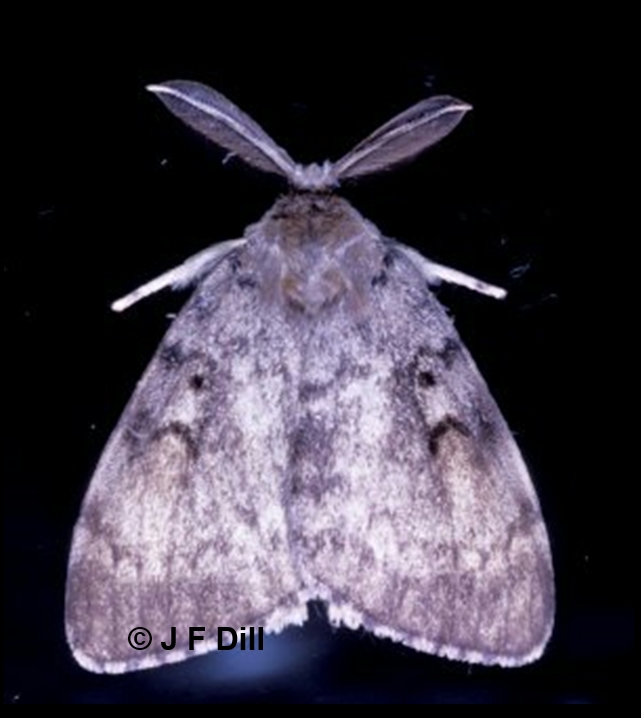
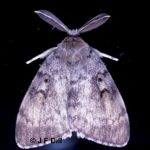
Spongy Moth (Lymantria dispar) (male)
-
-
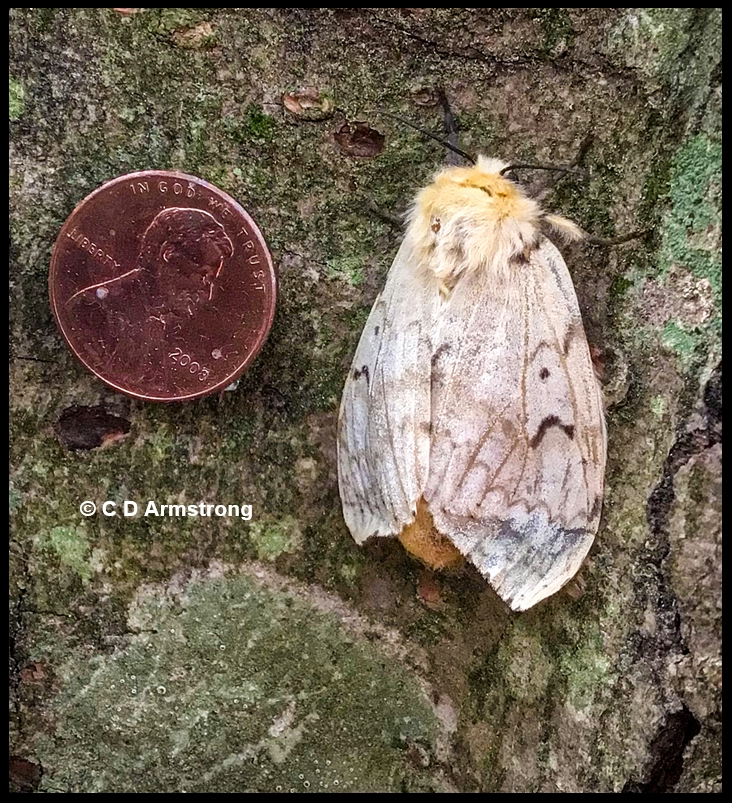
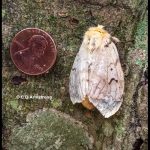
Spongy Moth (female; the tip of her egg mass is visible beneath her) (Dixmont, ME; 7/12/2021)
-
-
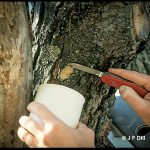
Removing a Spongy Moth egg mass
-
-
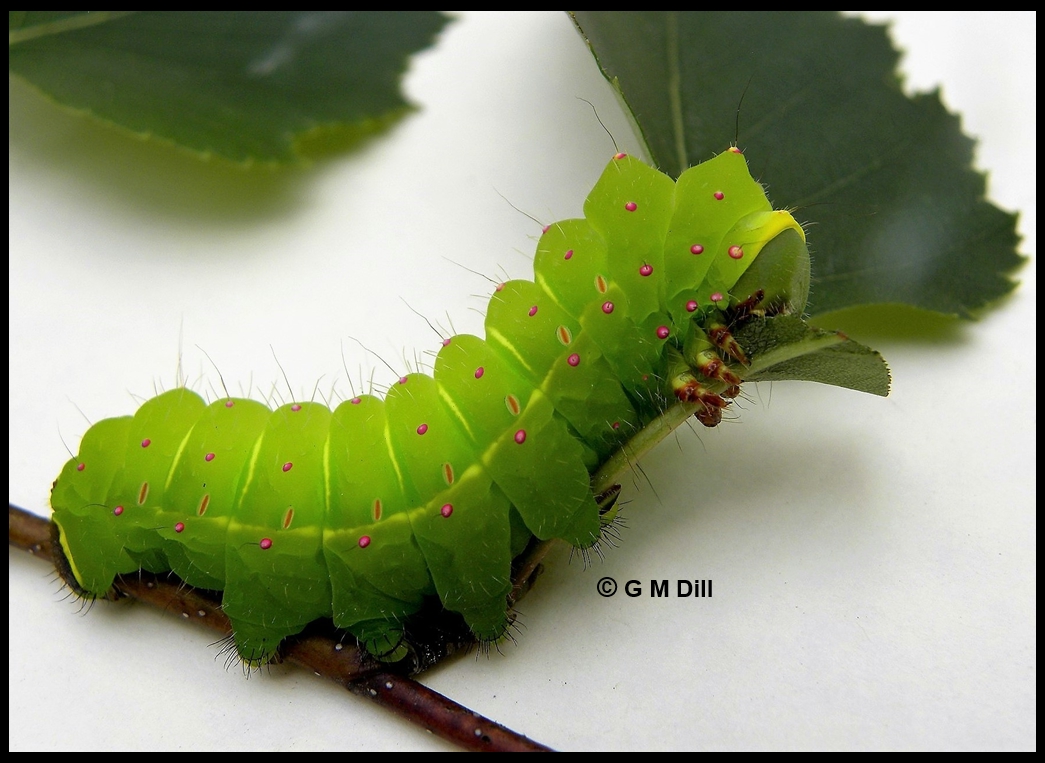
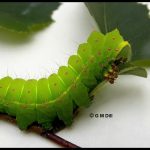
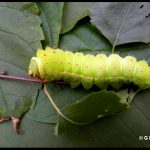
Full-grown caterpillar of the Luna Moth
-
-
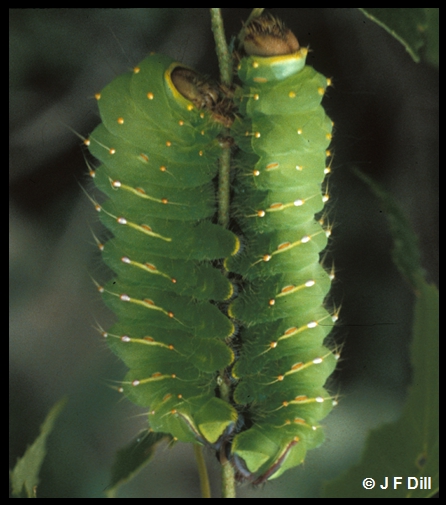
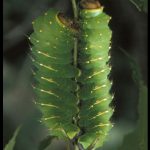
Luna Moth caterpillar
-
-
Pair of Luna Moth caterpillars
-
-
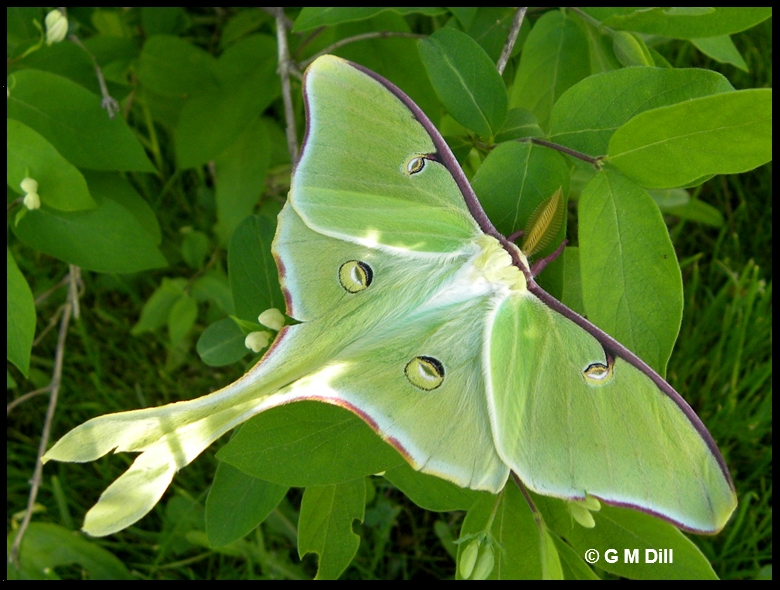
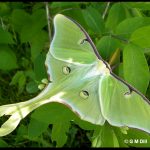
Luna Moth
-
-
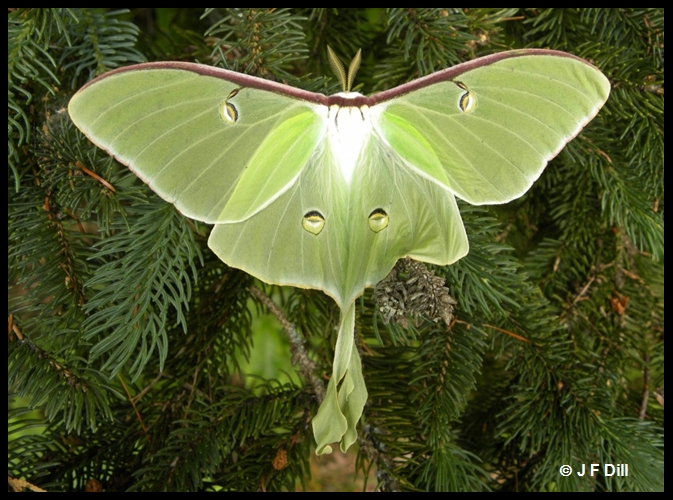
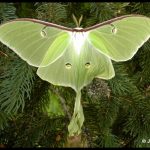
Luna Moth
-
-
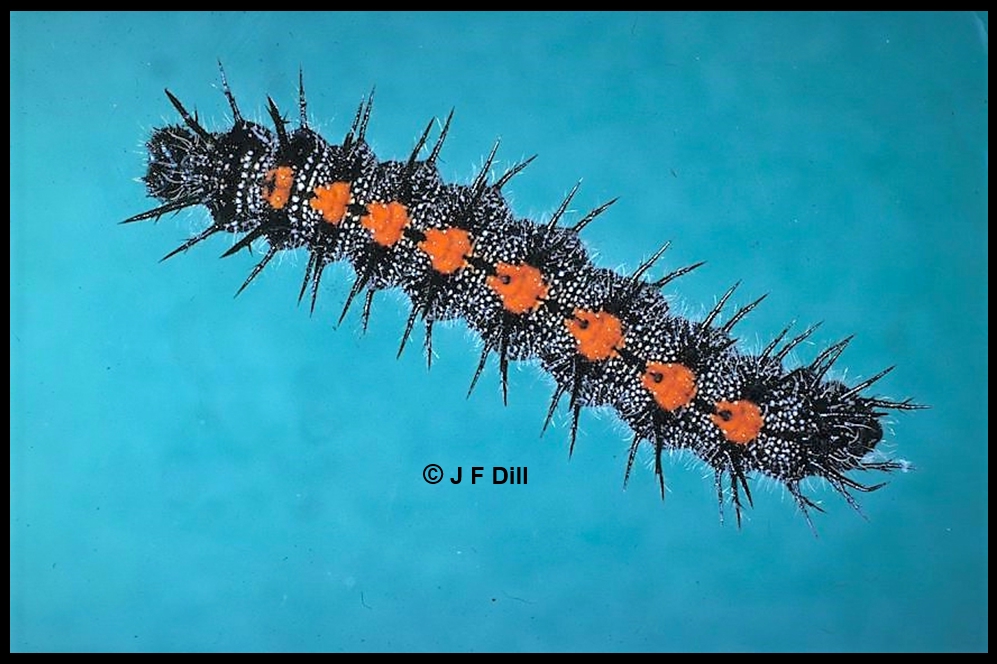
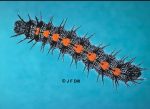
Mourning Cloak Caterpillar (Nymphalis antiopa)
-
-
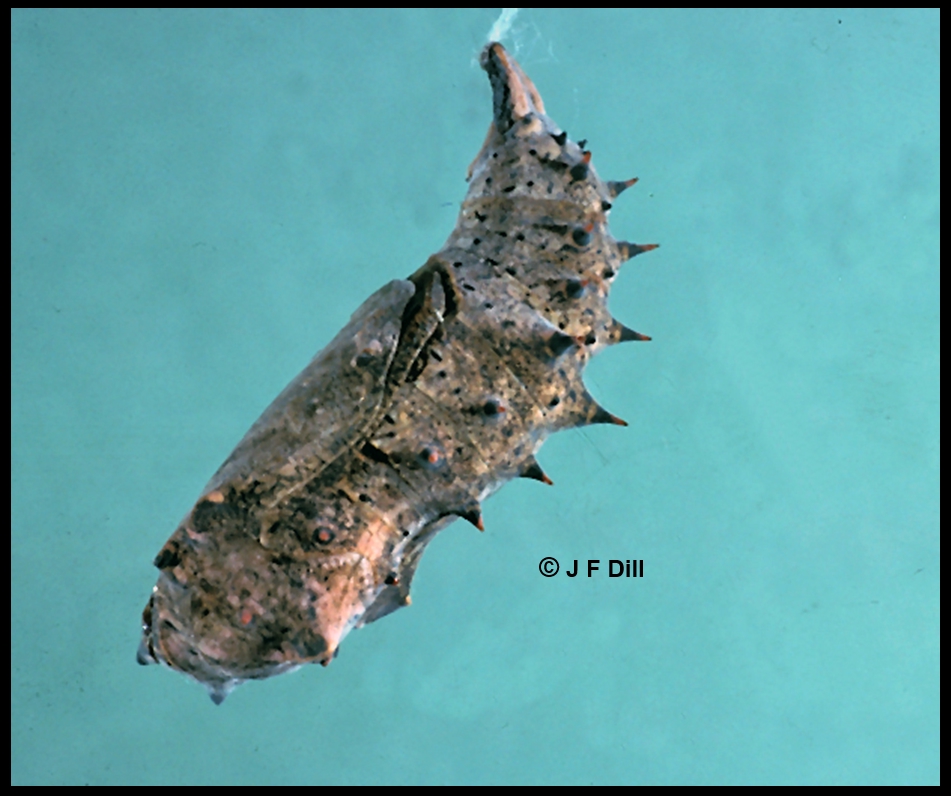
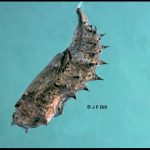
Mourning Cloak chrysalis
-
-
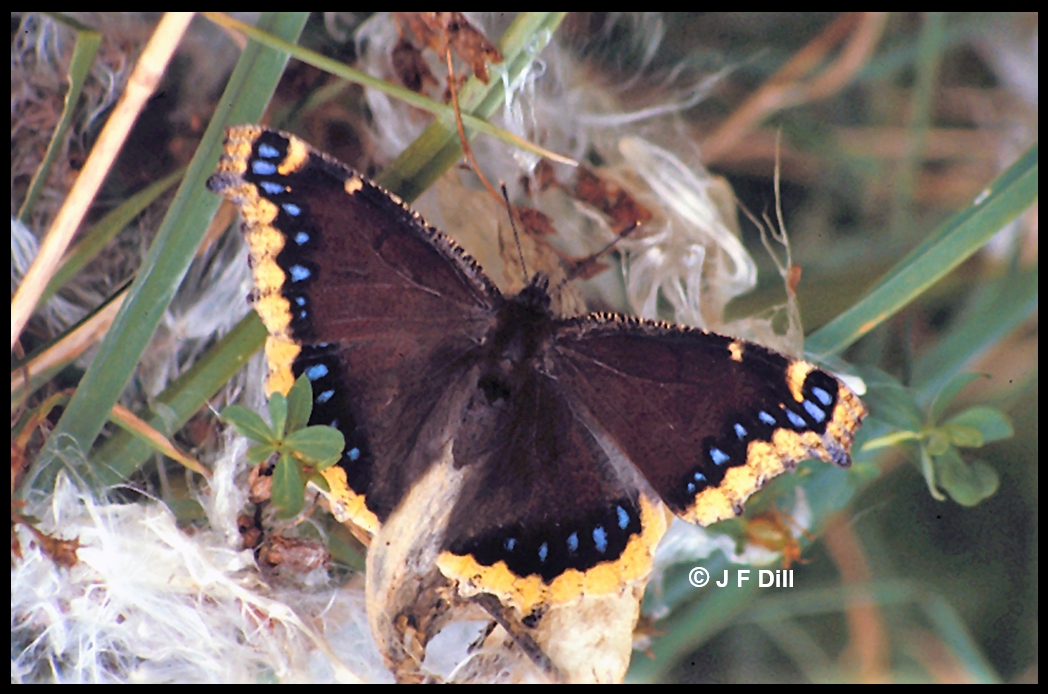
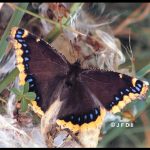
Mourning Cloak Butterfly (Nymphalis antiopa)
-
-
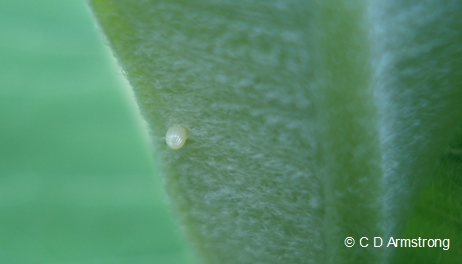
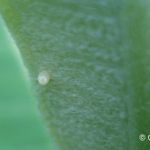
Egg stage of a Monarch (on host plant, milkweed) (eggs hatch after roughly four days)
-
-
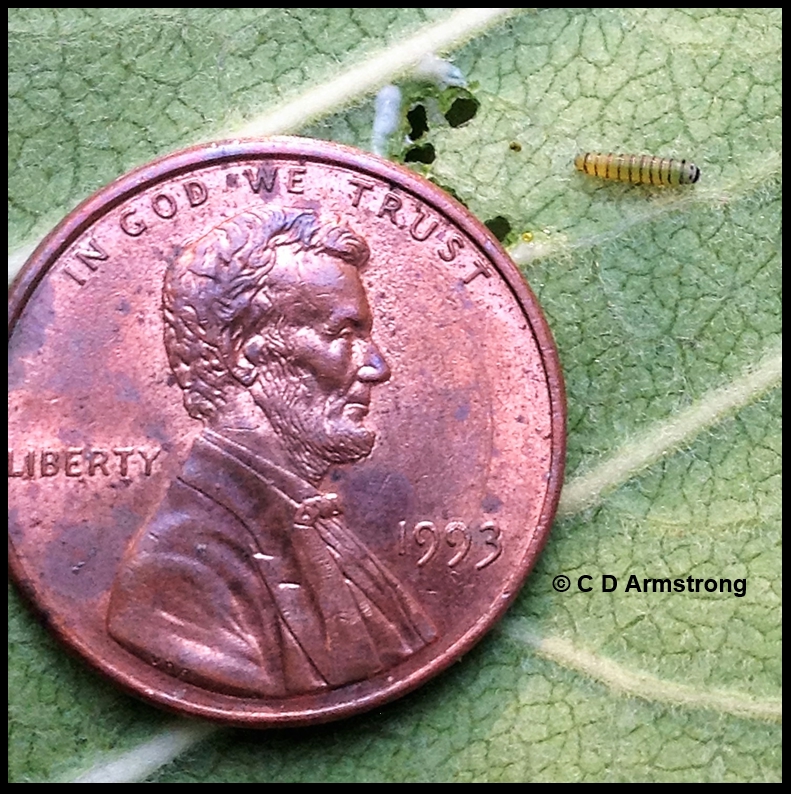
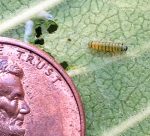
Monarch caterpillar (1st-instar stage) (on host plant, milkweed) (August 9th, 2019; central Maine)
-
-
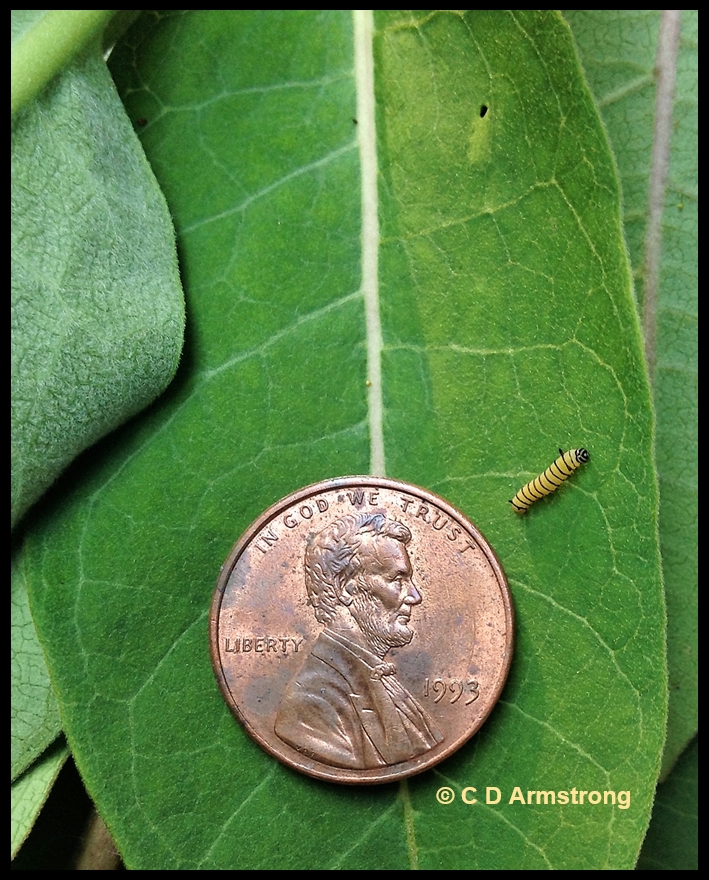
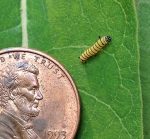
Monarch caterpillar (2nd-instar stage) (on host plant, milkweed) (August 9th, 2019; central Maine)
-
-
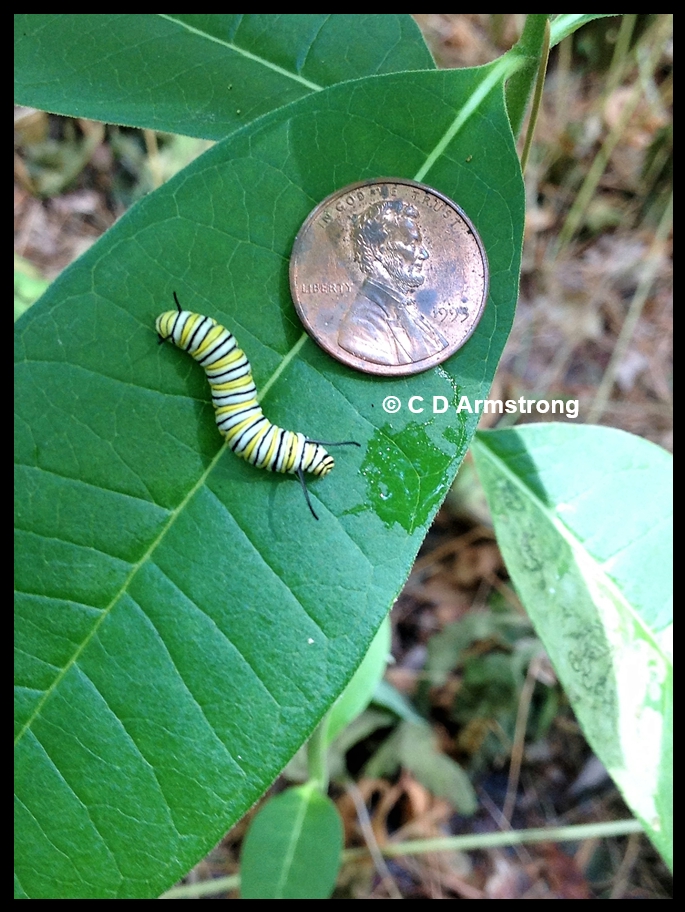
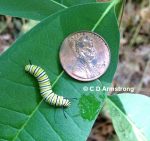
Monarch caterpillar (4th-instar stage) (on host plant, milkweed) (August 9th, 2019; Warren, Maine)
-
-
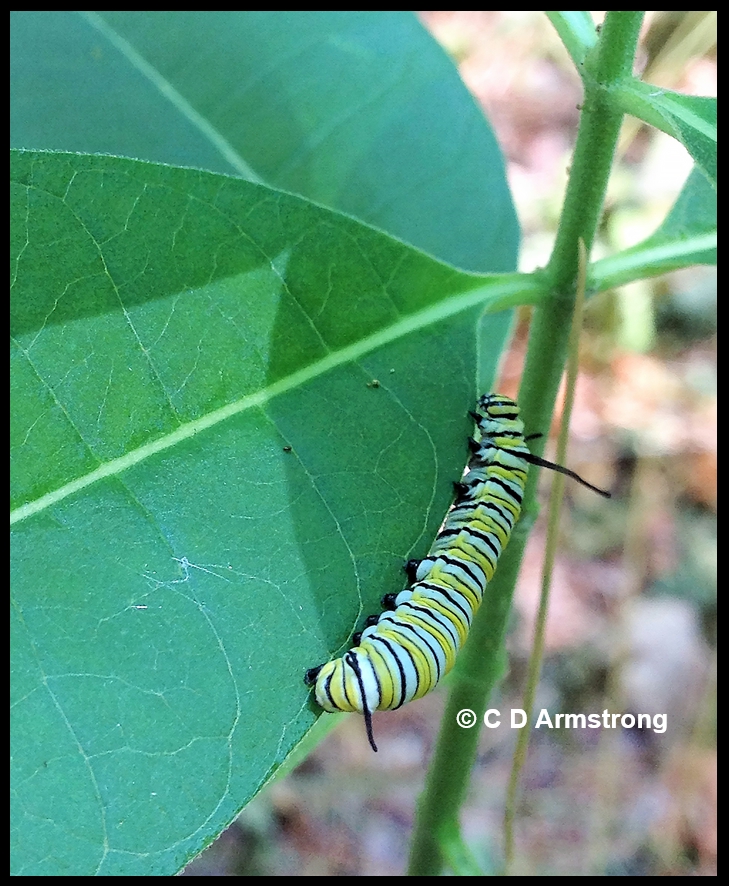
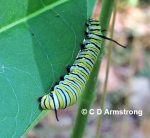
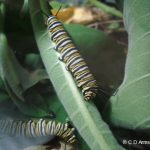
A mature Monarch caterpillar (5th instar) – Warren, ME (8/9/2019) (on host plant, milkweed)
-
-
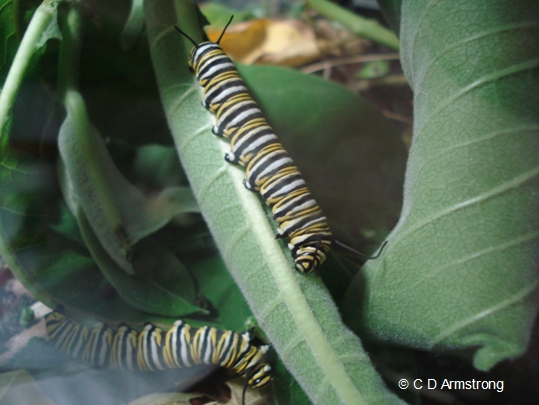
Monarch caterpillars (5th and final instar stage) (on host plant, milkweed)
-
-
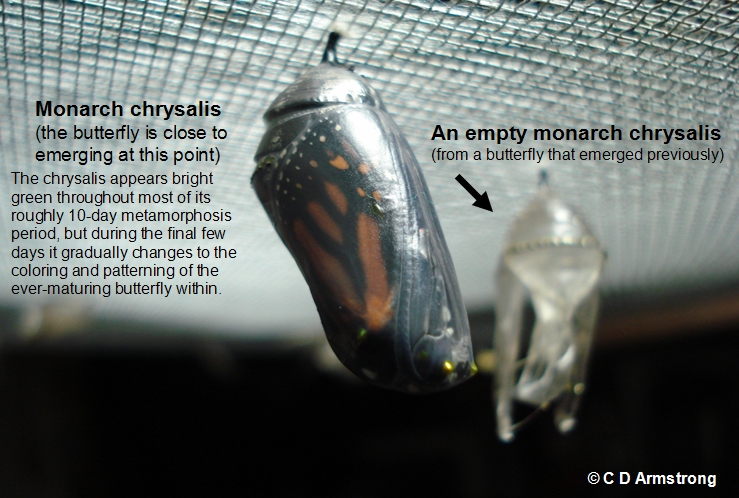
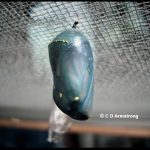
A Monarch chrysalis a few days away from butterfly emergence (8/29/2006)
-
-
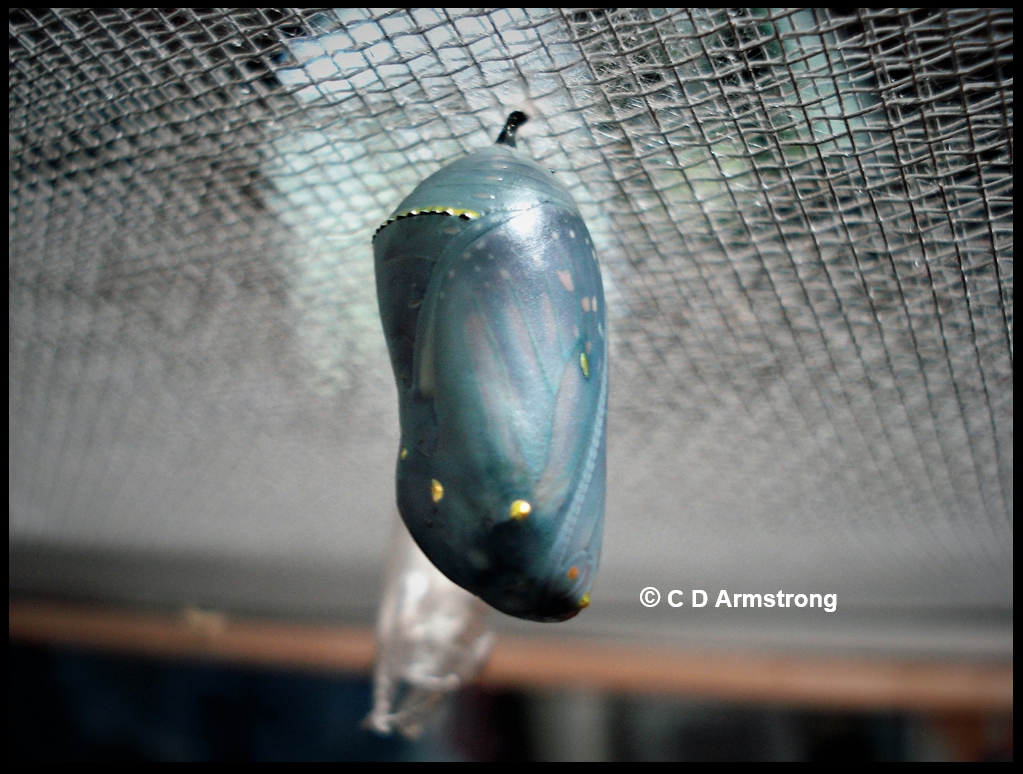
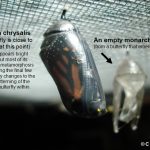
A Monarch chrysalis in an advanced stage (final minutes before adult emergence)
-
-
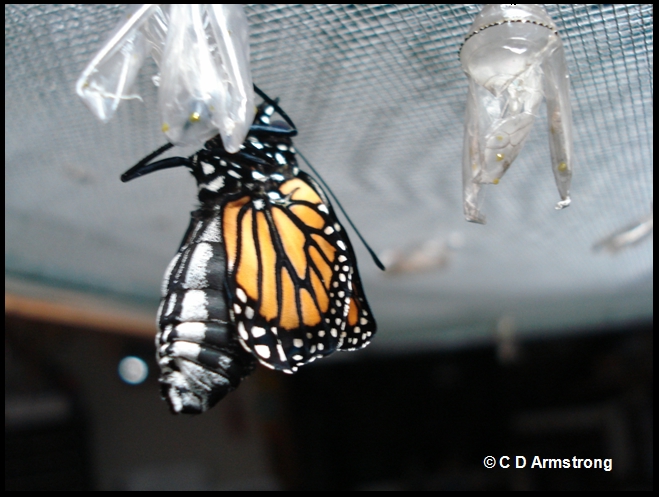
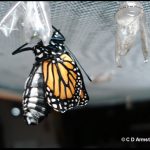
A Monarch butterfly newly-emerged (Their wings are small at first but within a matter of minutes they slowly expand to full size as fluid from the body is pumped into the wings)
-
-
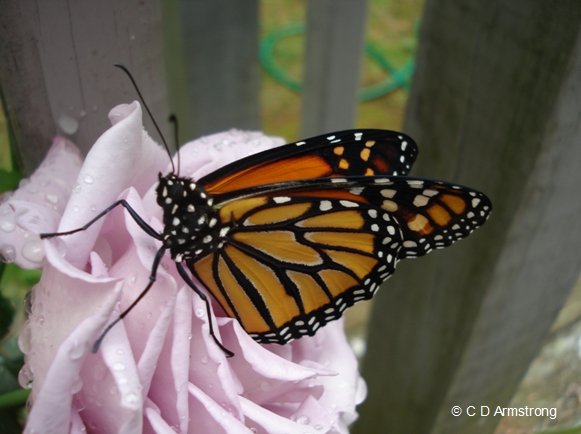
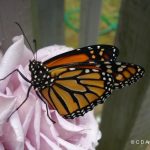
A young Monarch butterfly resting on a rose (central Maine)
-
-
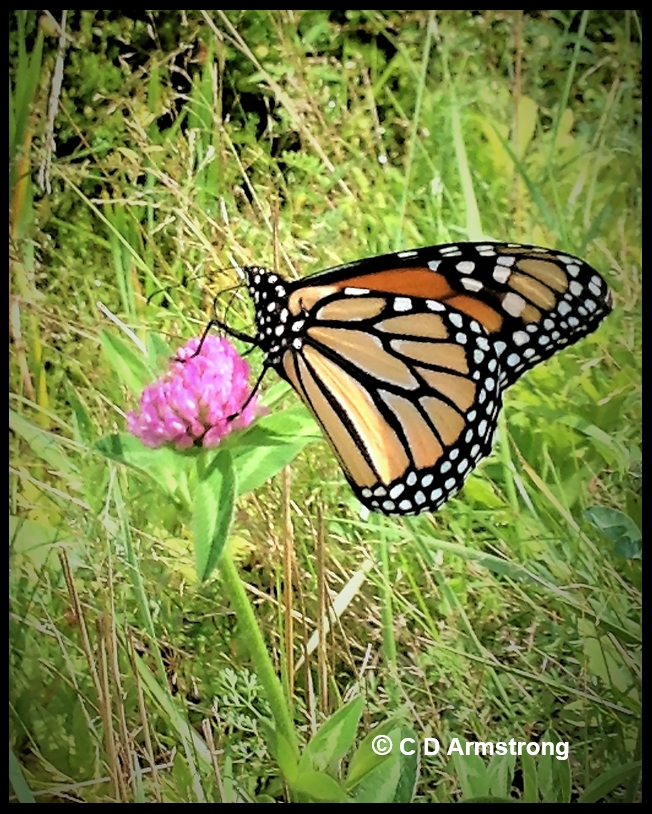
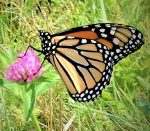
Monarch Butterfly feeding on a red clover blossom; 8/20/2018. Turner, Maine.
-
-
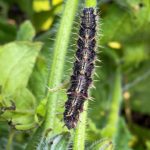
Painted Lady caterpillar (Vanessa cardui) feeding on borage/starflower (Morrill, ME; 7/25/2023) (Photo courtesy of C. Chalmers)
-
-
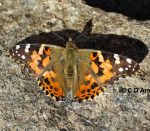
Painted Lady Butterfly (Vanessa cardui) (Schoodic Point in Winter Harbor, Maine; 10/10/2017)
-

-
Painted Lady Butterfly (Vanessa cardui) (Camden, Maine; 8/14/2017)
-
-
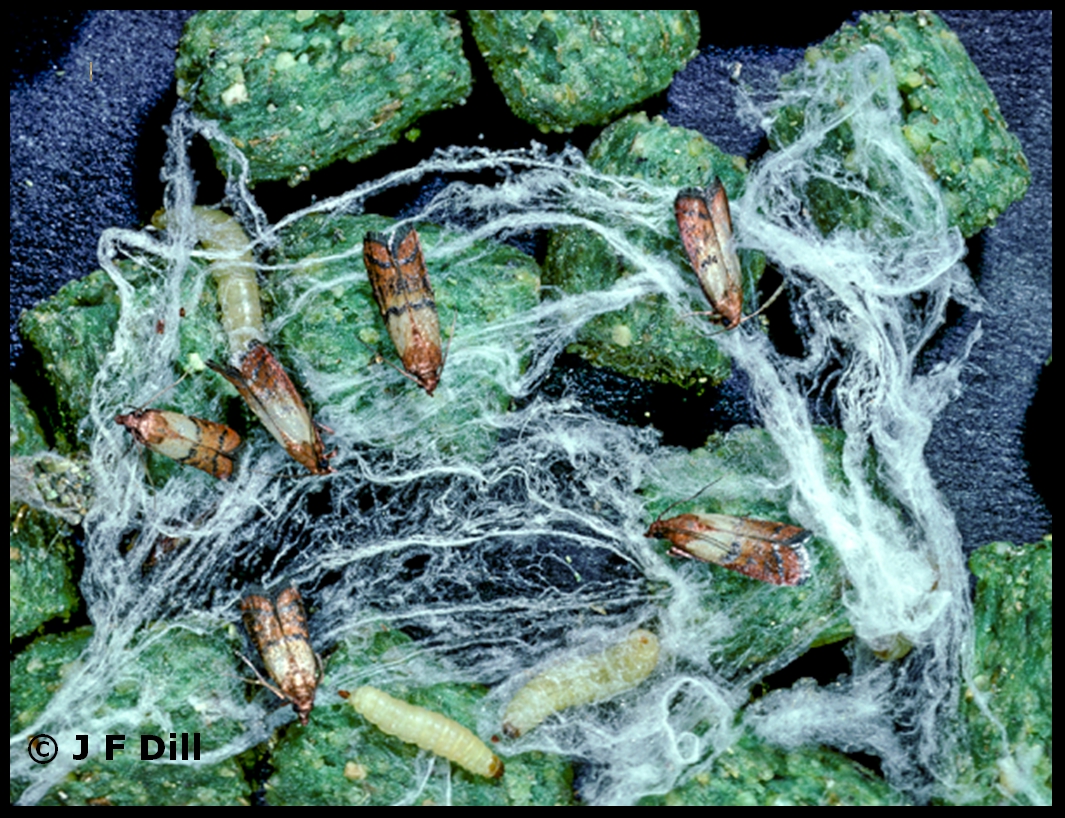
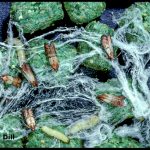
Pantry Moths / Flour Moths (Plodia interpunctella) (plus larvae and the webbing that the larvae spin, shown with one of their more unusual food sources: rodenticide pellets)
-
-
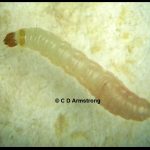
Magnified view of a mature Pantry Moth / Flour Moth larva
-
-
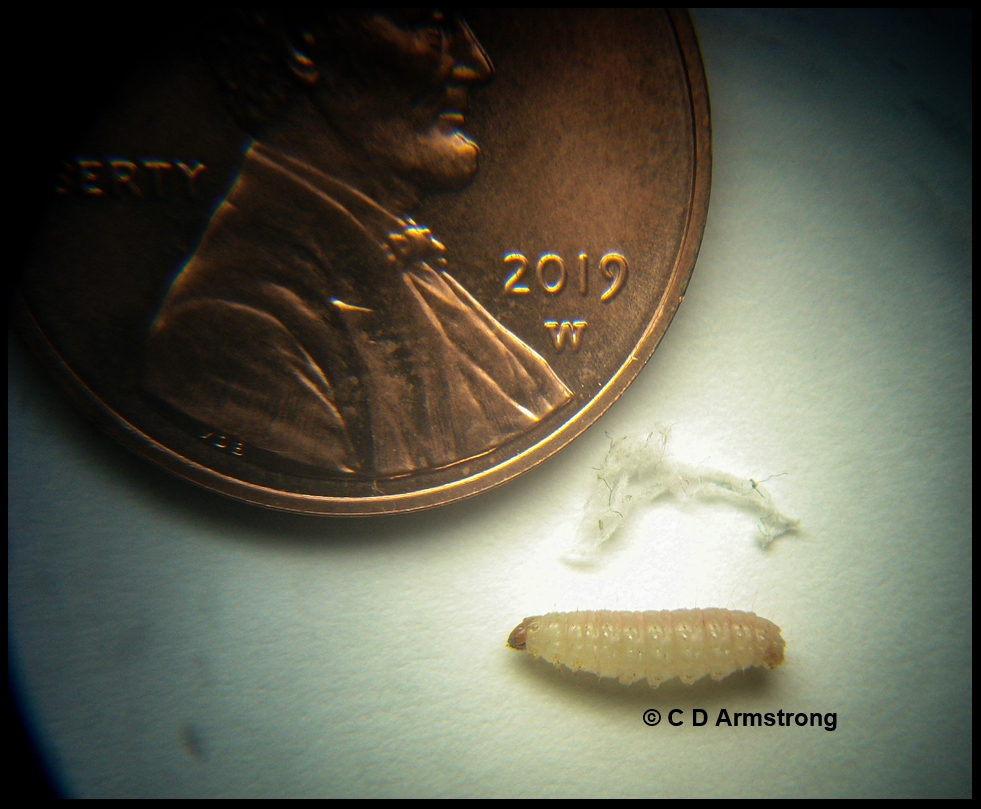
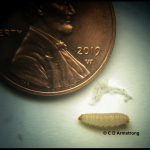
A mature Pantry Moth / Flour Moth (Plodia interpunctella) larva with some of its silk webbing that they spin (you can see the webbing between the larva and the coin)
-
-
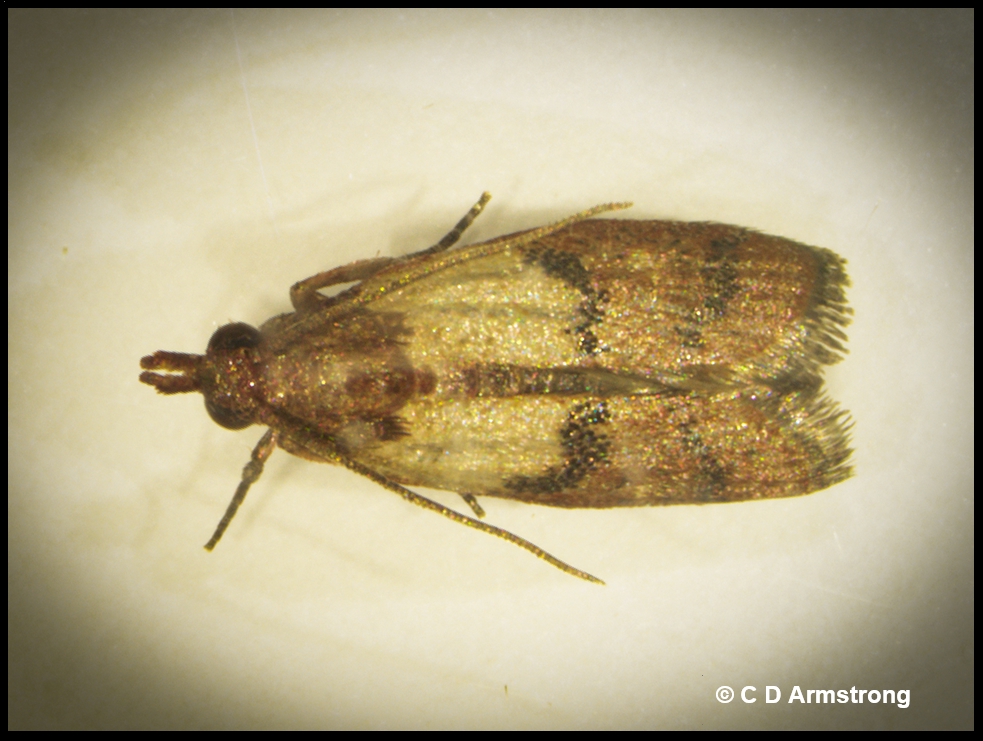
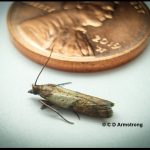
Pantry Moth / Flour Moth (Plodia interpunctella)
-
-
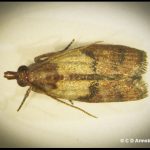
Pantry Moth / Flour Moth (Plodia interpunctella) (newly-emerged; 4/23/2021)
-
-
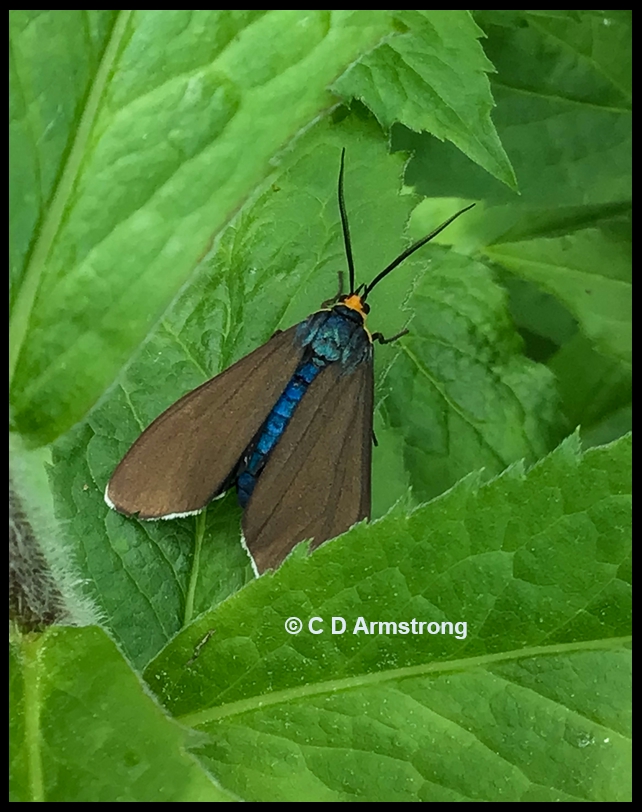
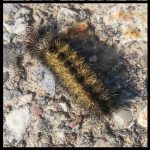
Virginia Ctenucha (Ctenucha virginica) (Orono, ME; 3/10/2022) (Photo credit: courtesy of Edward S. Grew)
-
-
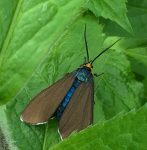
Virginia Ctenucha (Ctenucha virginica) (Pittston, ME; 6/24/2022)
-
-
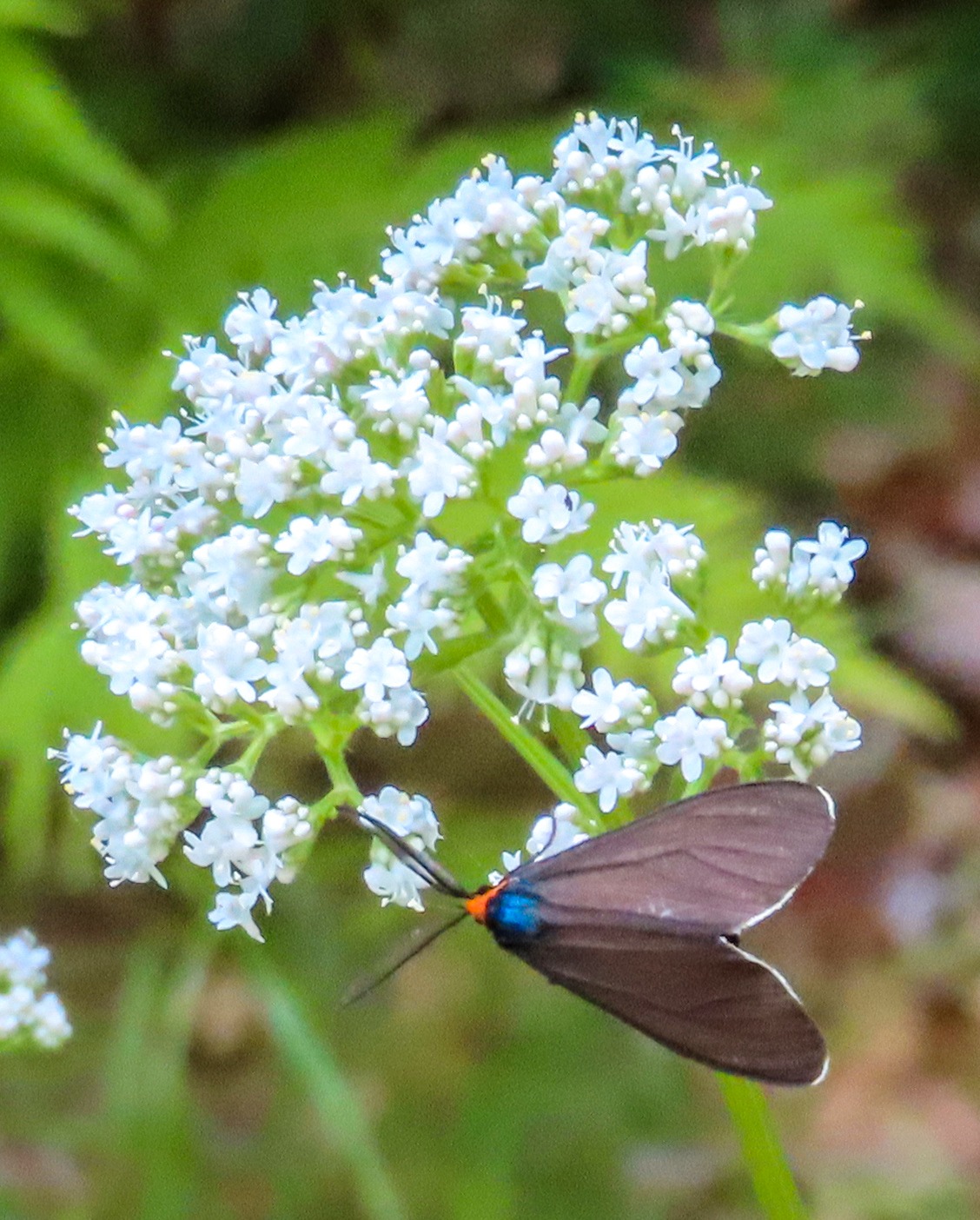
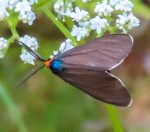
Virginia Ctenucha (Ctenucha virginica) on Valerian flowers (Orono, ME; 7/7/2022) (Photo credit: courtesy of Edward S. Grew)
-
-
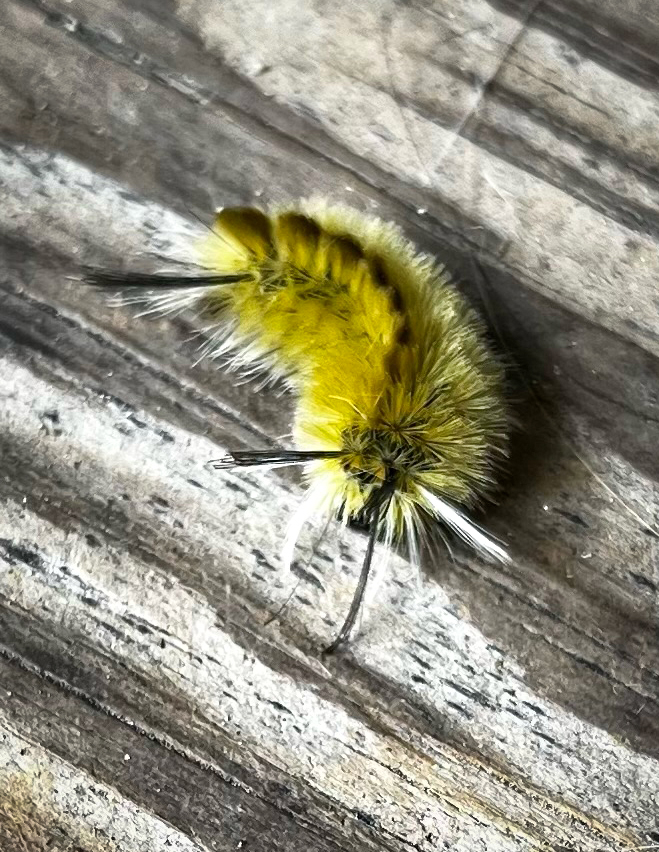
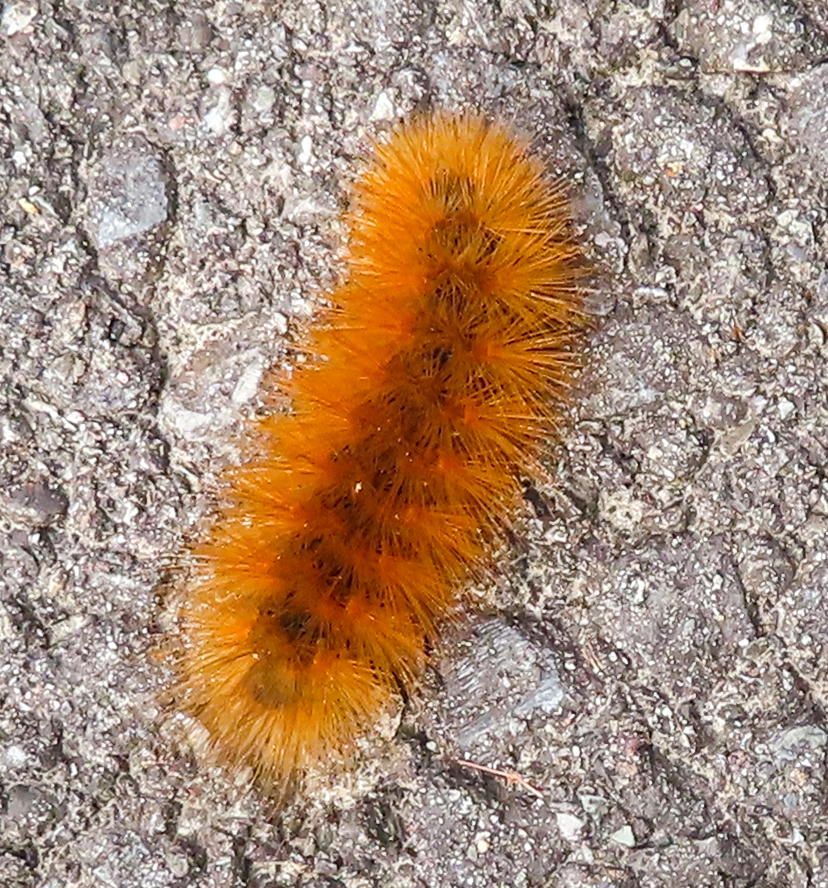
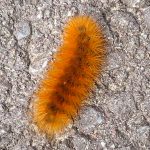
Yellow Bear Caterpillar / Yellow Woollybear (Spilosoma virginica) (Orono, ME; 8/25/2022) (Photo courtesy of Edward S. Grew)
-
-
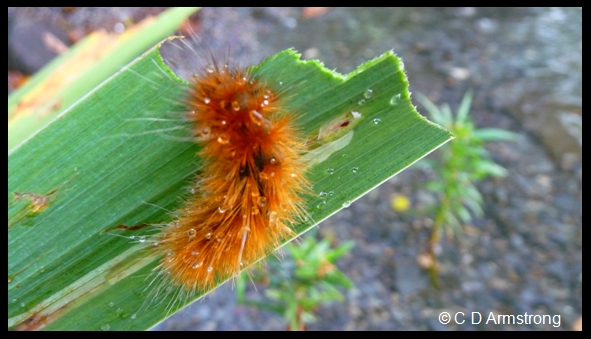
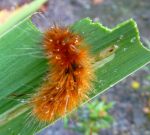
Yellow Bear Caterpillar / Yellow Woollybear (Spilosoma virginica) (turns into the Virginian Tiger Moth) (Greenville, ME; 9/4/2011)
-
-
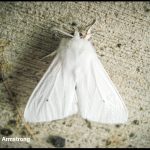
Virginian Tiger Moth (Spilosoma virginica) (Etna, ME; 6/30/2009) (If the abdomen is hidden, this moth is sometimes mistaken for the Browntail Moth, Euproctis chrysorrhoea)
Caterpillars Our page also includes caterpillars for which we do not as yet have any photos of the adult stage. American Lady / American Painted Lady (BugGuide.net) (Comparison with a Painted Lady) Banded Tussock (BugGuide.net) Beautiful Wood-nymph (BugGuide.net) (caterpillar is very similar to the