Photo Gallery: Critters of Medical and Veterinary Significance
-
-
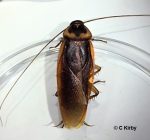
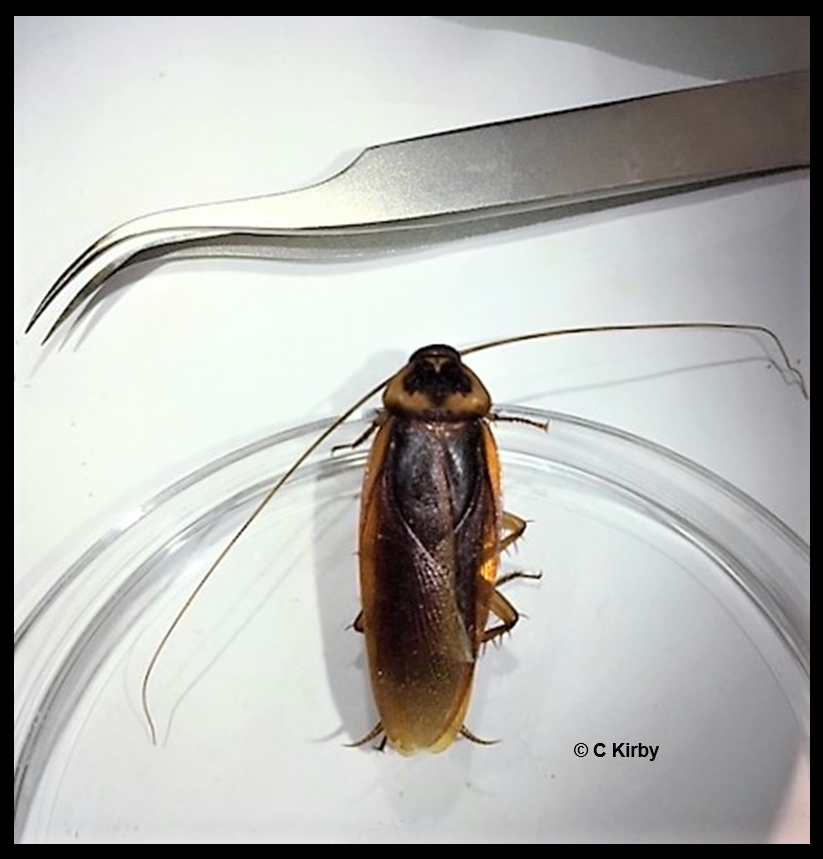
American Cockroach (female)
-
-
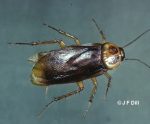
American Cockroach (female)
-
-
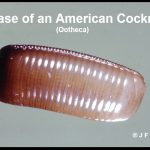
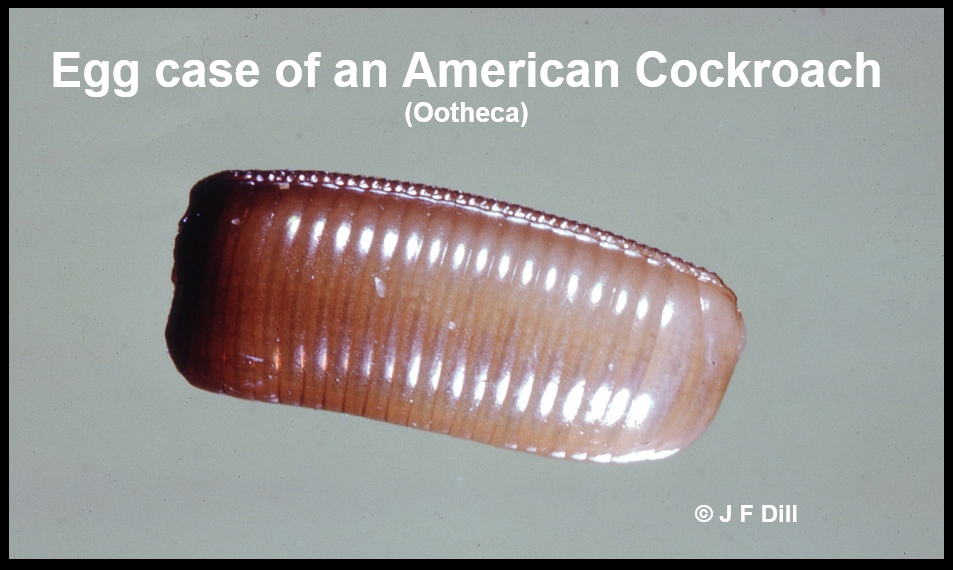
Egg Case (Ootheca) from an American Cockroach
-
-
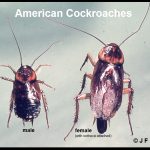
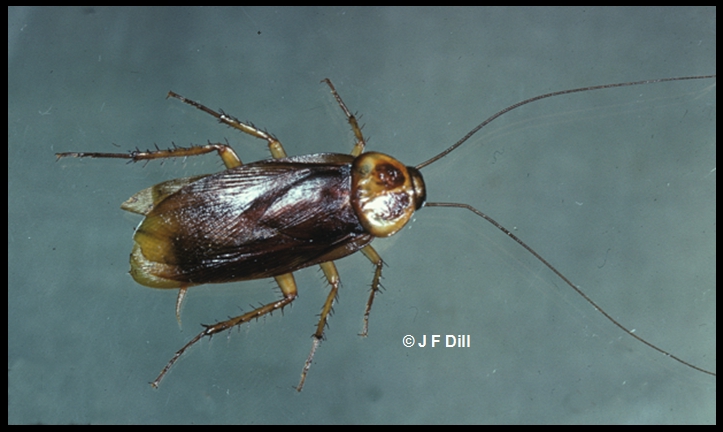
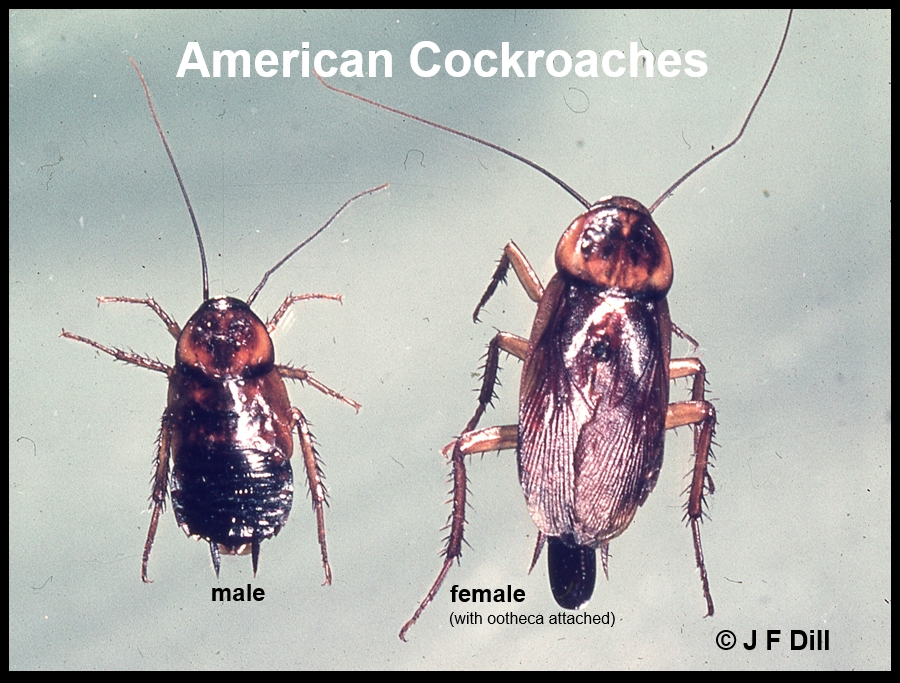
American Cockroaches
(Male versus Female)
-
-
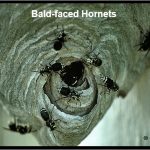
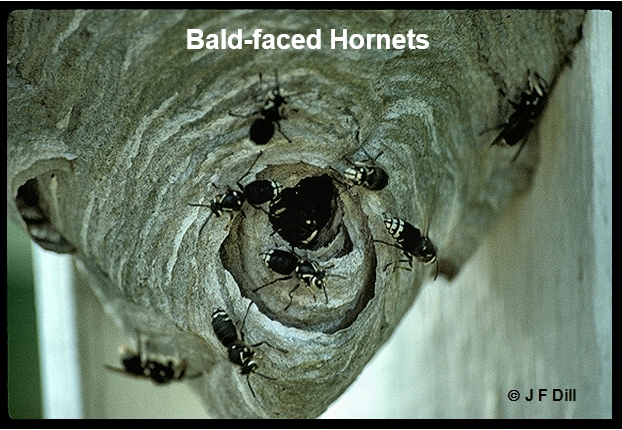
Bald-faced Hornets (guarding their nest)
-
-
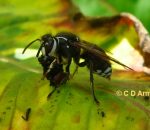
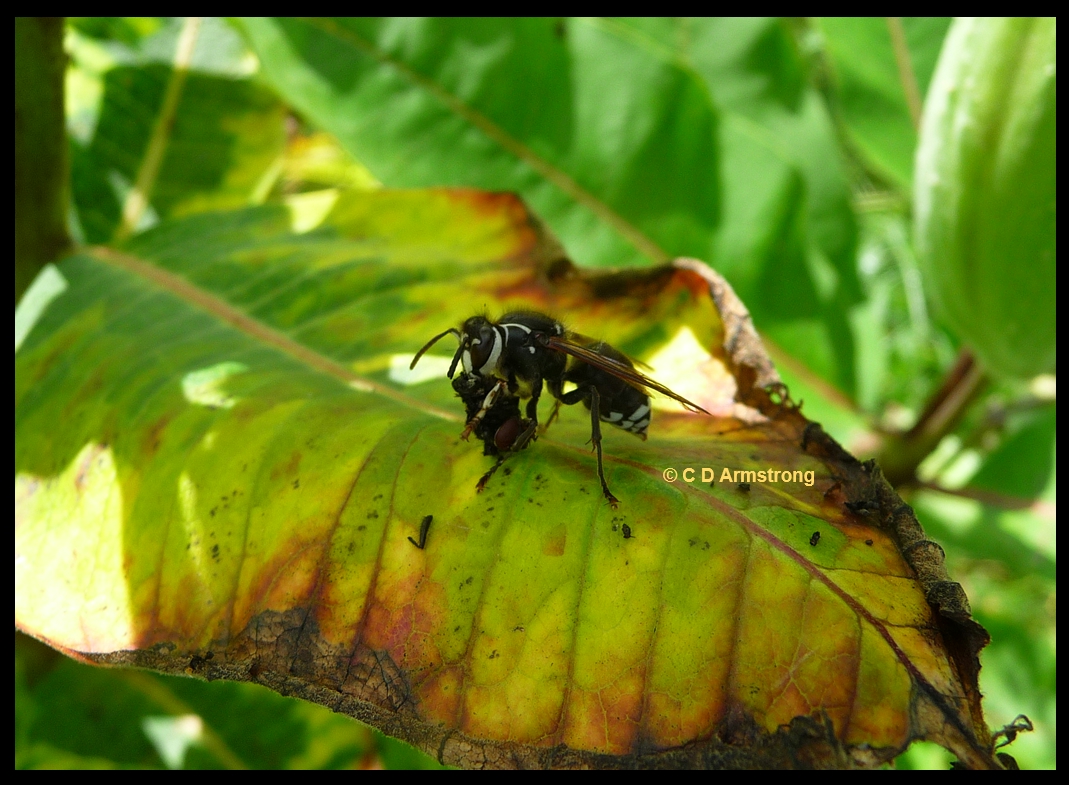
Bald-faced Hornet
-
![Bed Bugs (various instar stages; two smaller nymphs [top of photo] and two adults [lower right])](https://extension.umaine.edu/home-and-garden-ipm/wp-content/uploads/sites/43/2025/03/Bed-Bugs-Various-Stages-113022-150x150.jpg)
-
Bed Bugs (various instar stages; two smaller nymphs [top of photo] and two adults [lower right])
-
-
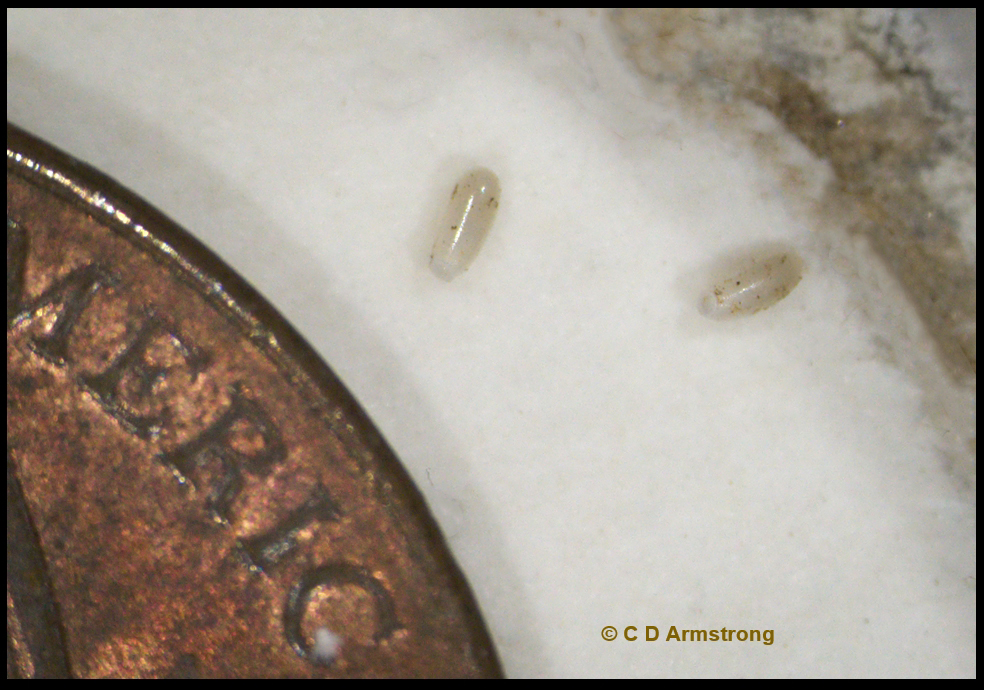
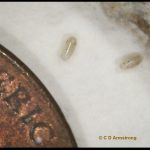
A pair of Bed Bug eggs next to a US penny
-
-
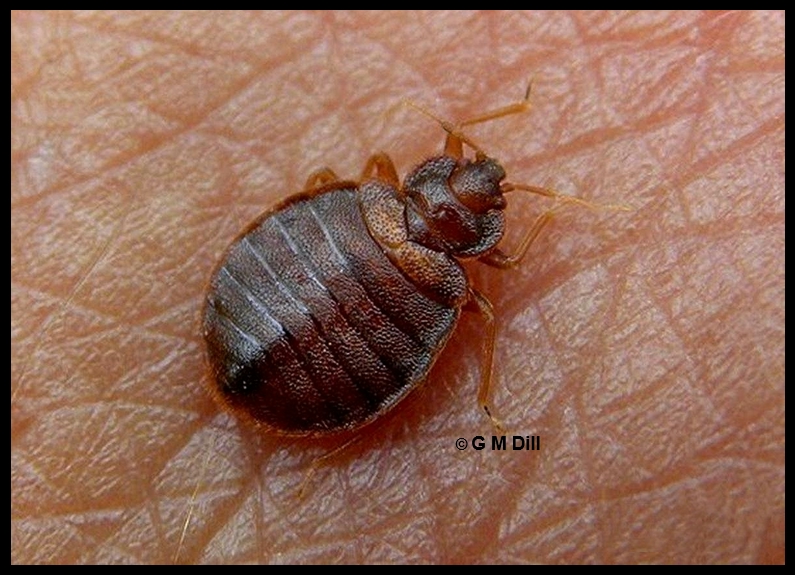
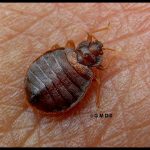
Bed Bug (adult female)
-
-
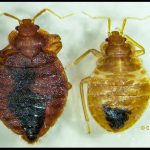
Bed Bugs (left: male; right: female) (4/26/2023)
-
-
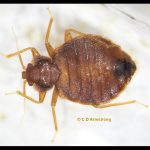
Bed Bug (adult male) (7/25/2024)
-
-
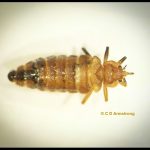
Bed Bug (an engorged male) (dorsal view) (4/27/2022)
-
-
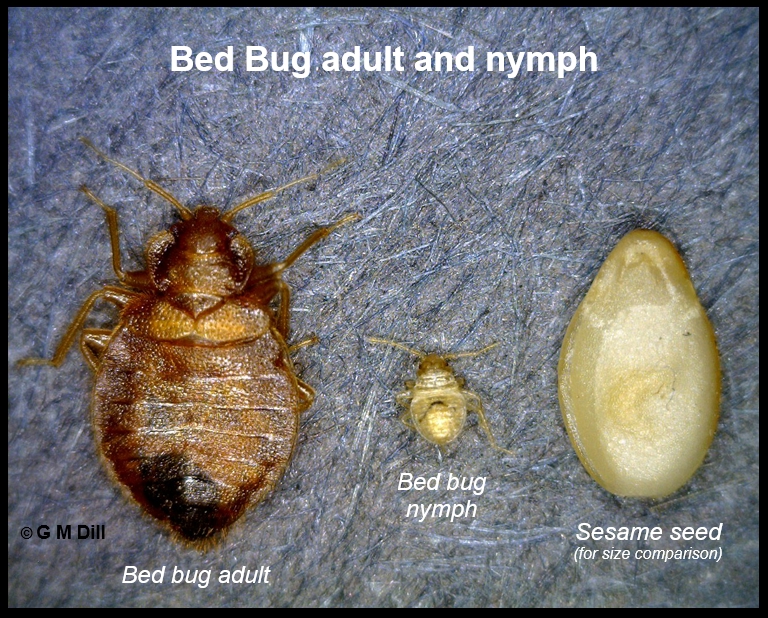
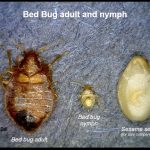
Size Comparisons: Adult Bed Bug (Left), Bed Bug Nymph (Middle), and Sesame Seed (Right)
-
-
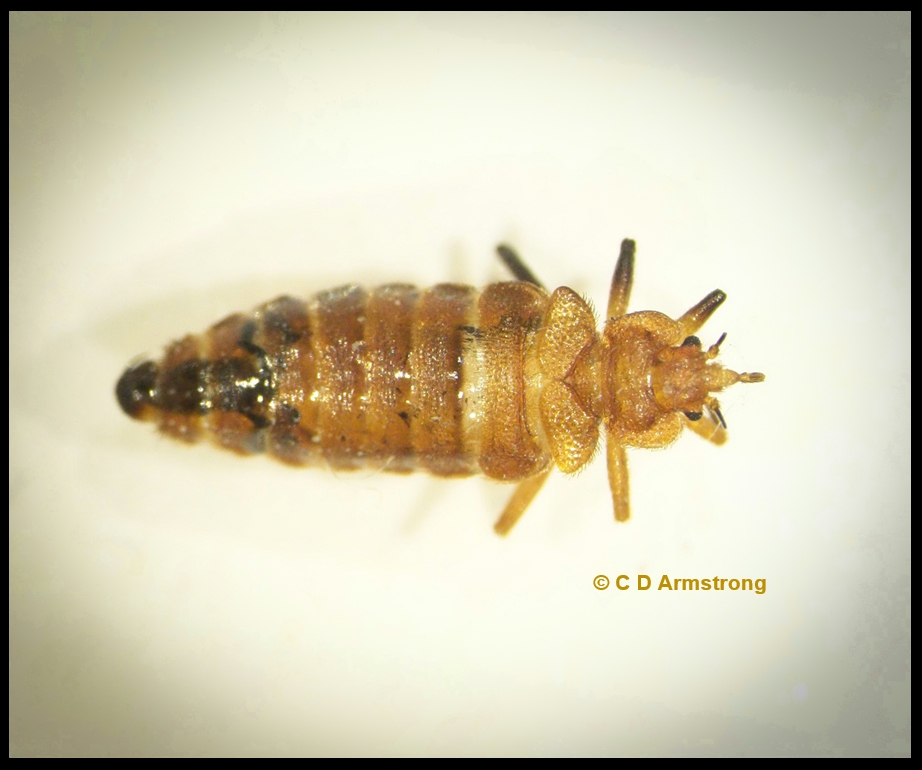
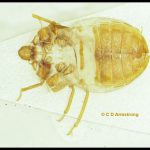
The hollow exoskeleton left behind by a bed bug that molted (dorsal view)
-
-
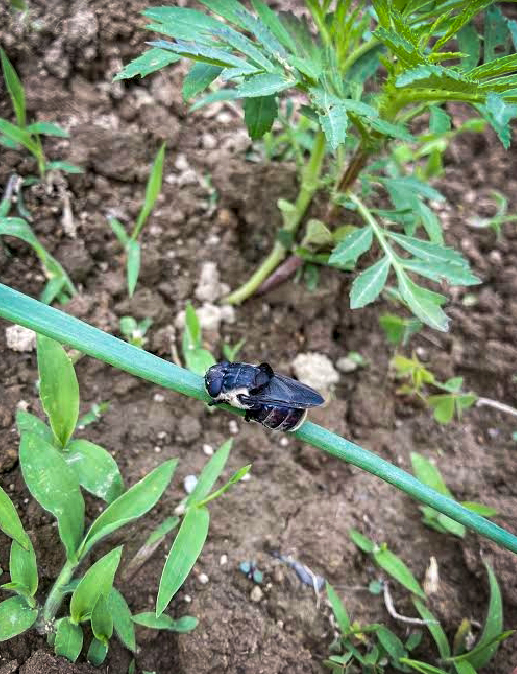
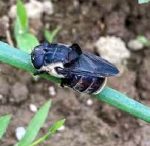
Bot Fly (Genus Cuterebra) (likely either the Mouse Bot, C. fontinella, or Rabbit Bot, C. buccata) (Portland, ME; 6/18/2022) (Photo courtesy of Hazen Camber)
-
-
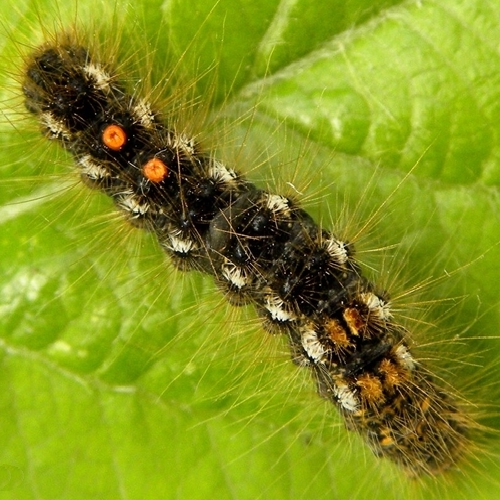
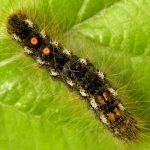
Browntail Moth (late instar caterpillar stage)
-
-
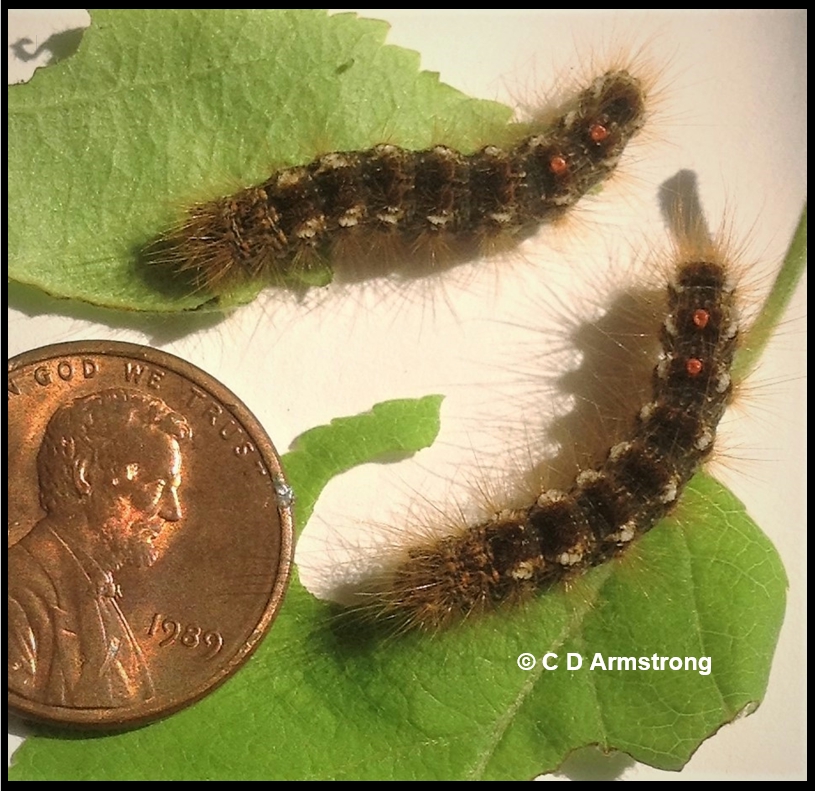
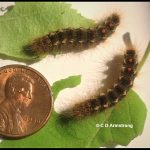
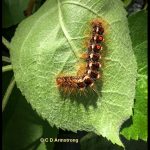
Browntail Moth (late-instar caterpillars feeding on wild apple leaves; Lincolnville Center, ME – 6/5/2019)
-
-
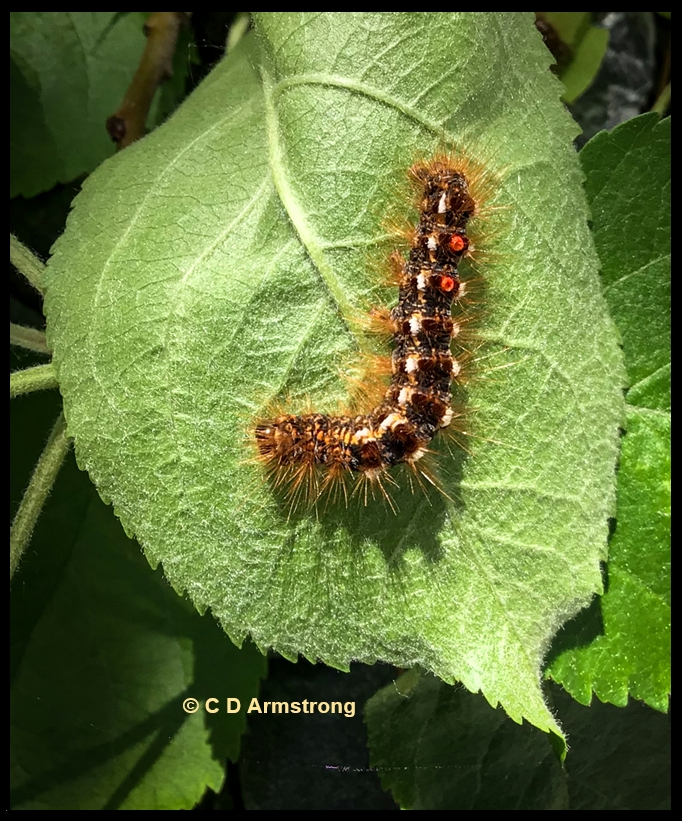
Browntail Moth (late instar caterpillar on a wild apple leaf; Lincolnville Center, ME – 6/5/2019)
-
-
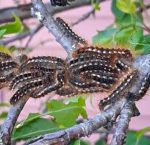
Browntail Caterpillars on a crabapple tree in Waterville, Maine; 5/12/2021 (Photo courtesy of Jamie Graves)
-
-
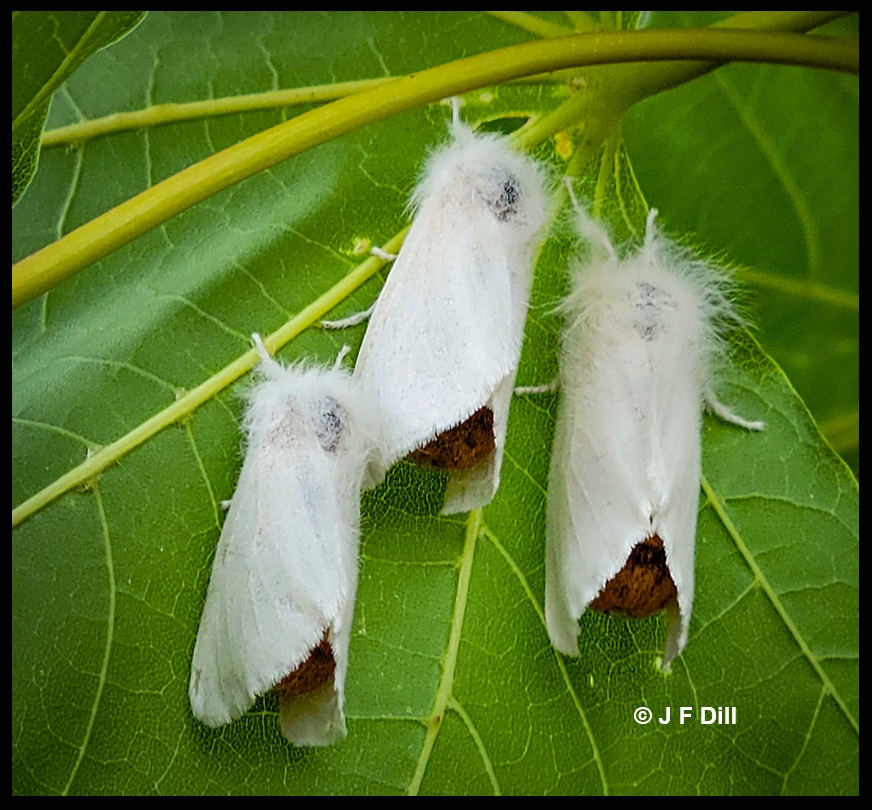
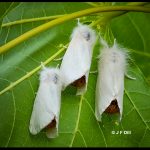
Browntail Moths; note the brown ‘tail’ at the end of the abdomen (Kennebec County, Maine, 7/1/2021)
-
-
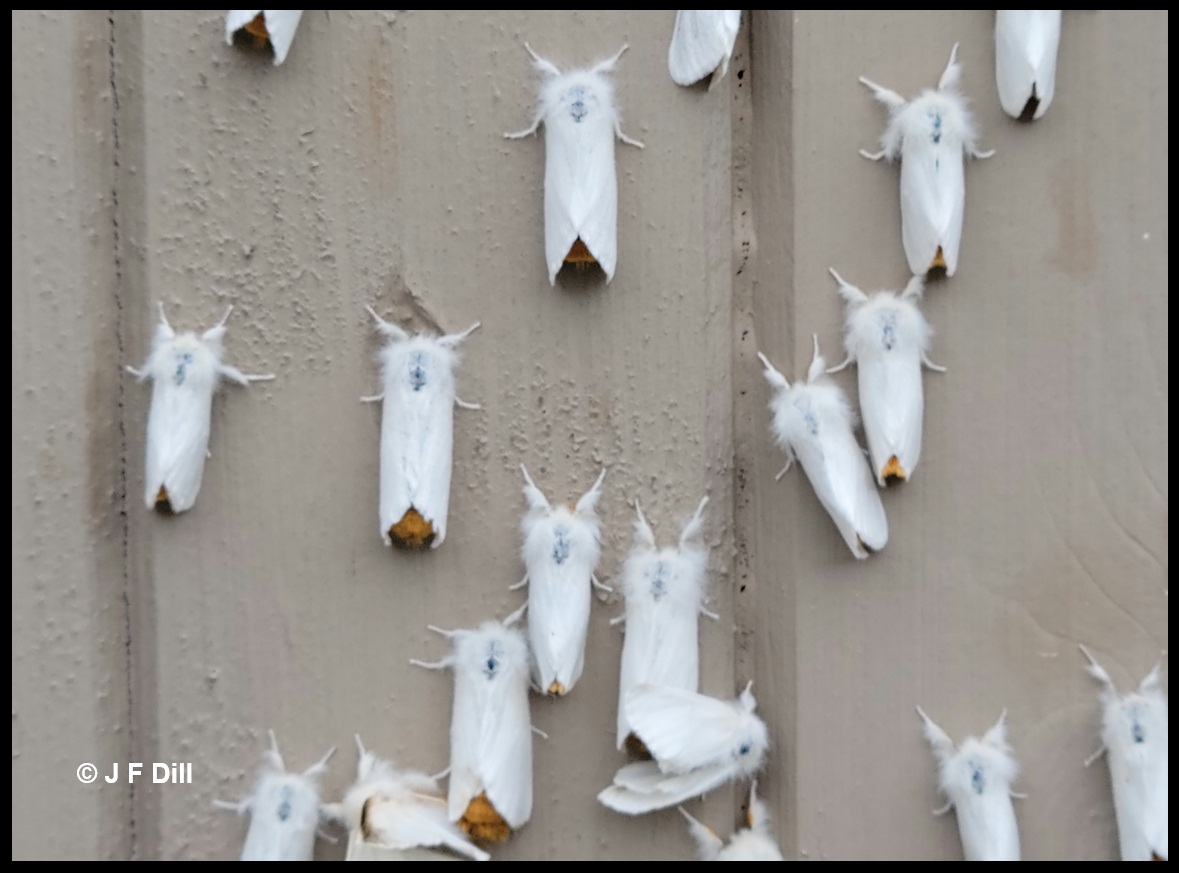
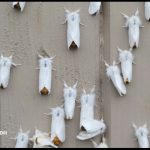
Closer view of some Browntail Moths from the adjacent photo (Kennebec County, Maine, 7/1/2021)
-
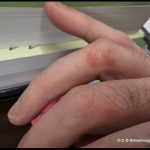
-
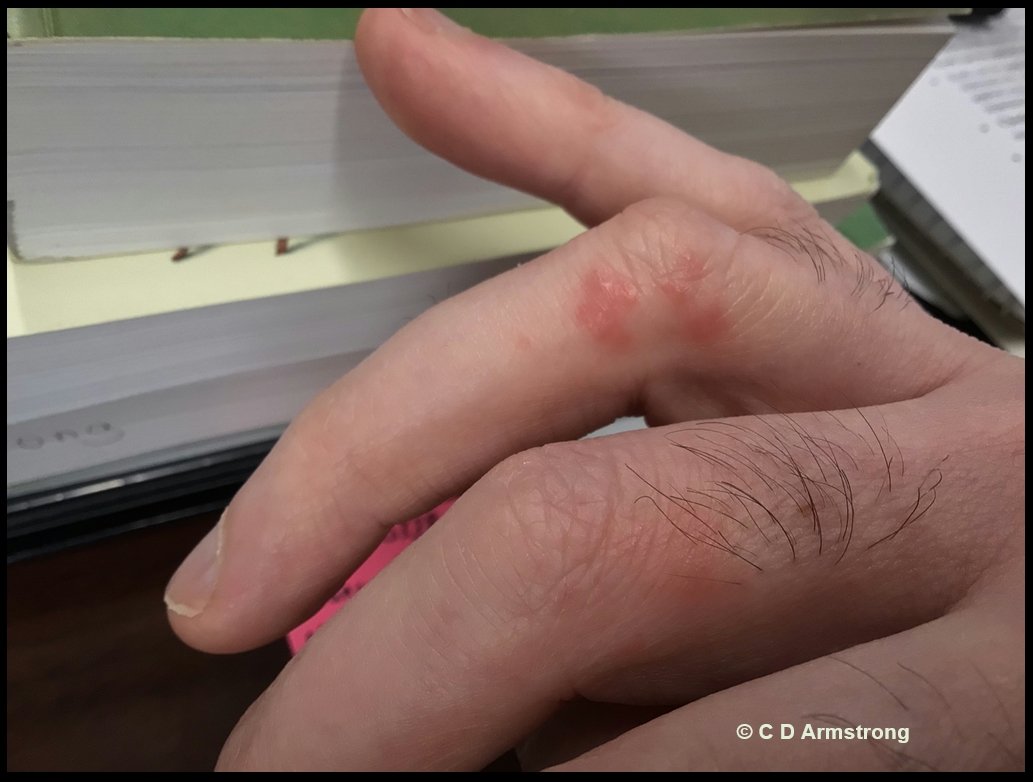
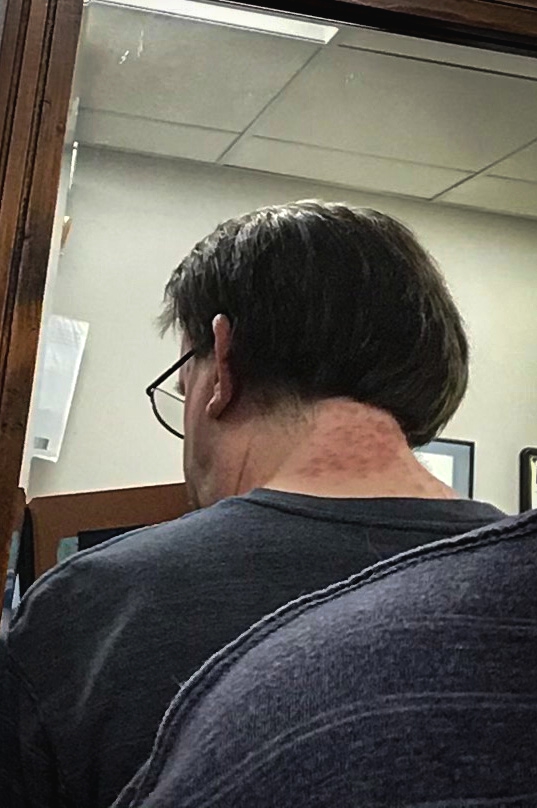
Example of an unfortunate reaction to the Browntail caterpillar hairs on a person’s fingers. May 23rd, 2022.
-
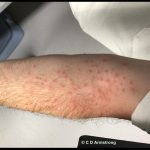
-
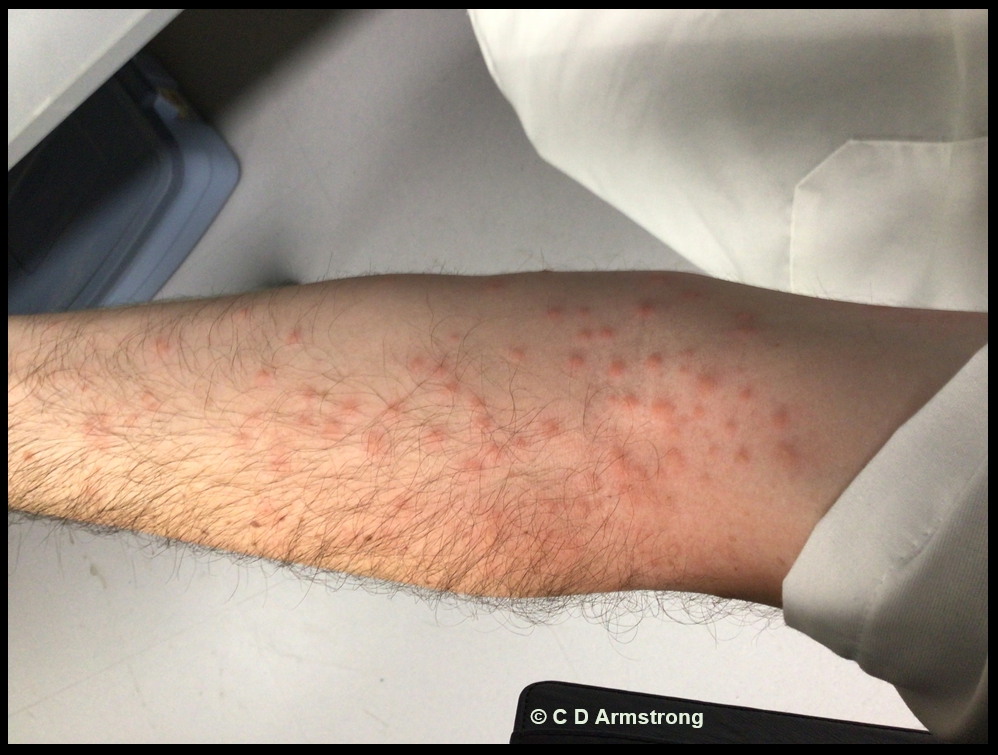
Example of a typical reaction to the Browntail caterpillar hairs on a person’s arm. July 12th, 2021.
-

-
An example of a bad case of the skin rash that the hairs from the browntail caterpillars–and later on their cocoons–can cause. Staff Photo, taken 5/26/21.
-
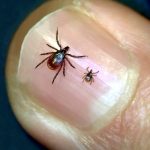
-
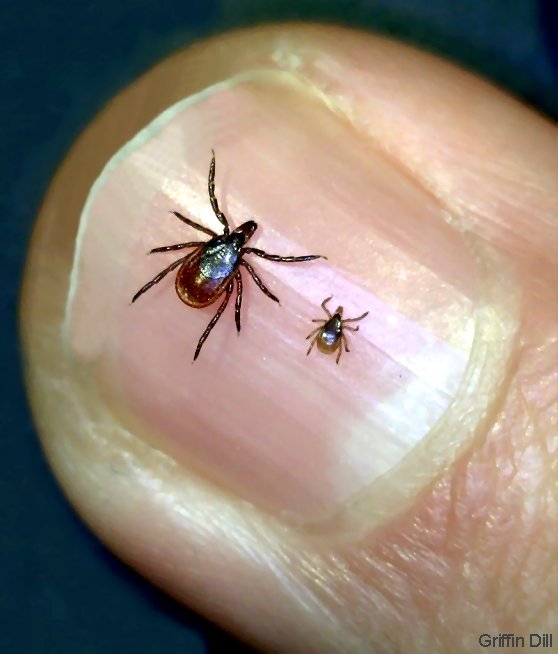
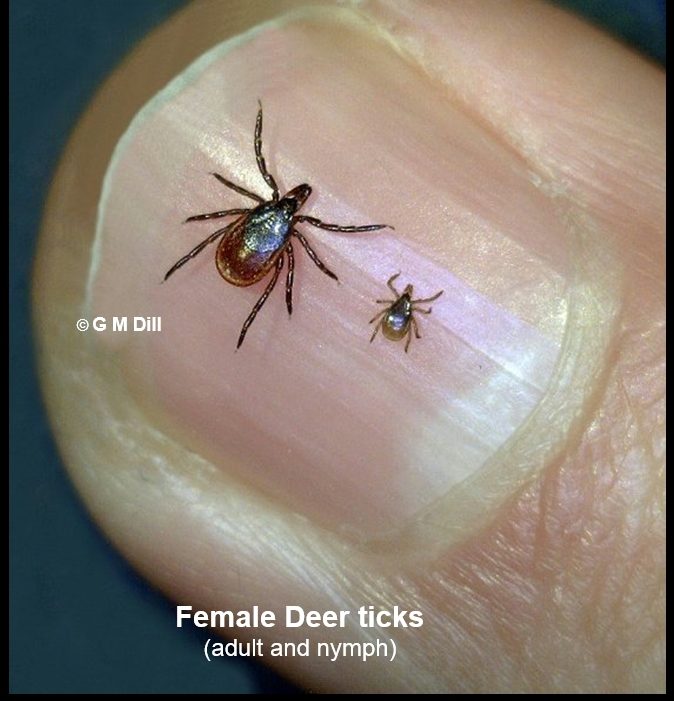
Female Deer Ticks — adult (left) and a nymph (right); female deer ticks–adults as well as nymphs–are capable of spreading Lyme disease. (see also Tick Photos)
-
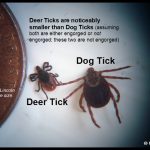
-
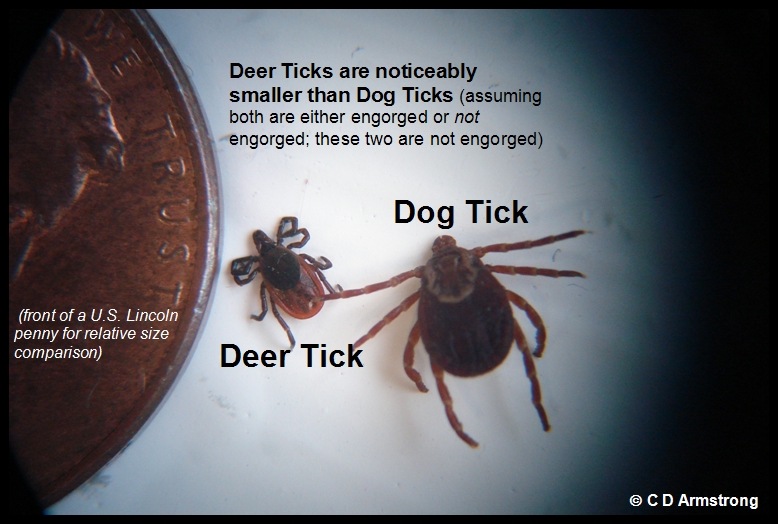
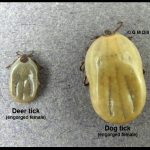
Deer Tick and Dog Tick (side-by-side comparison) (both are non-engorged / have not fed; both are females) (see also Tick Photos)
-
-
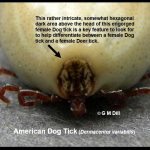
Engorged Ticks (Deer Tick versus Dog Tick) (see also Tick Photos)
-
-
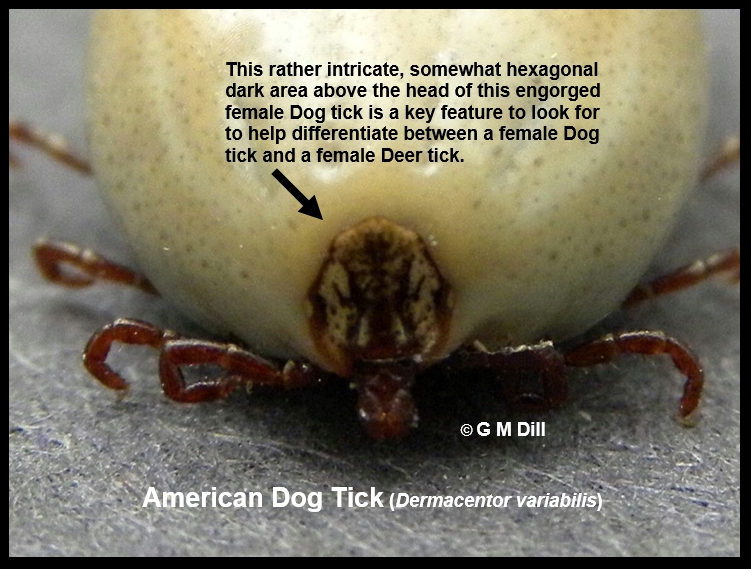
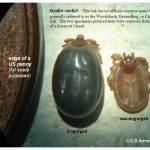
Dog Tick (engorged female) (see also Tick Photos)
-
-
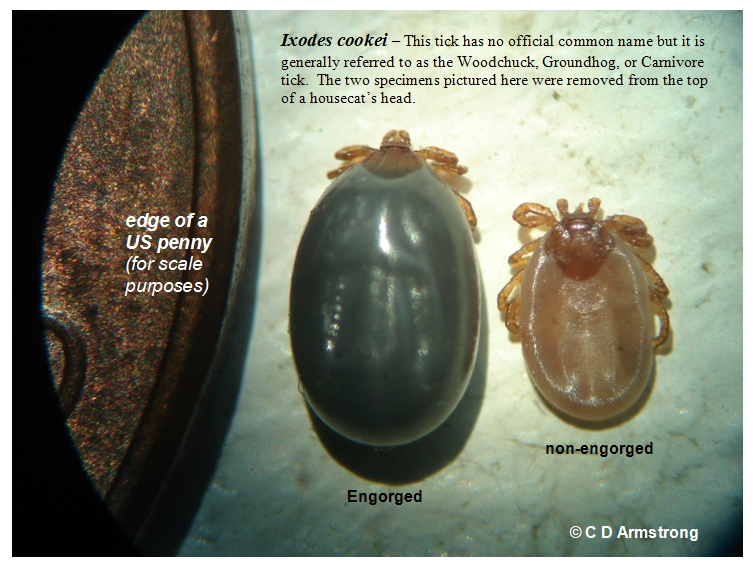
Woodchuck Ticks (see also Tick Photos)
-
-
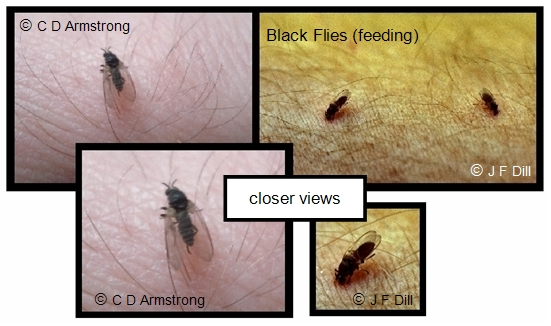
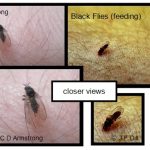
Black Flies (their larvae are aquatic)
-
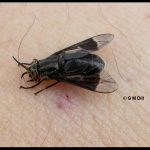
-
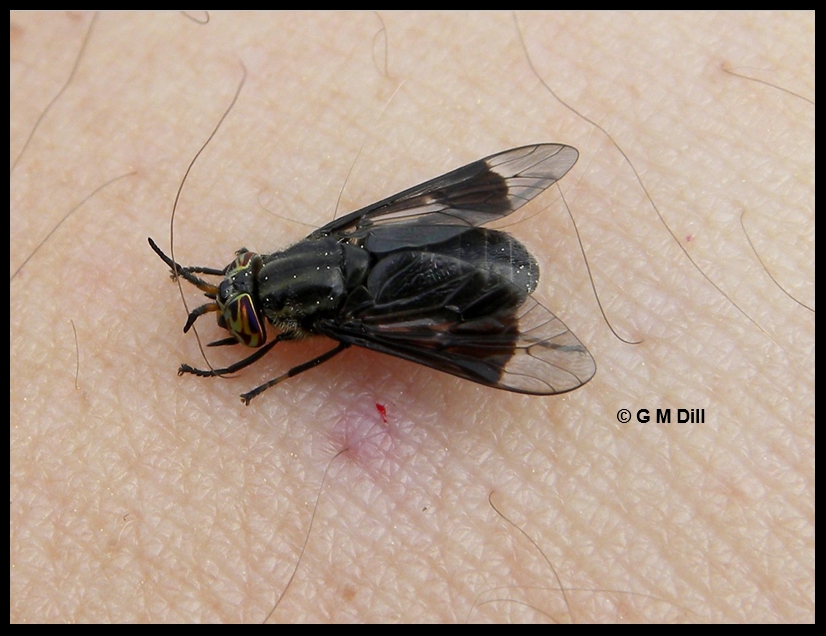
Deer Fly (their larvae are aquatic)
-
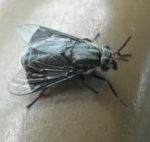
-
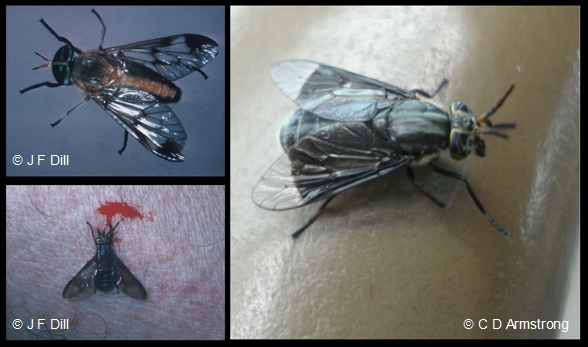
Deer Flies (additional examples)
-
-
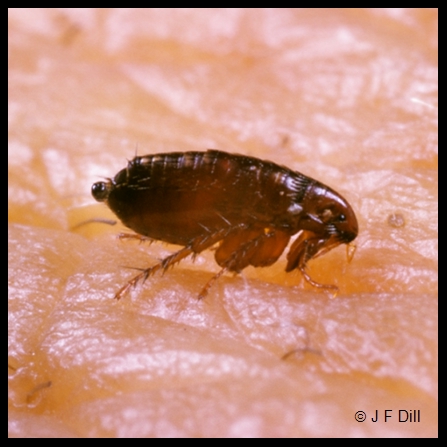
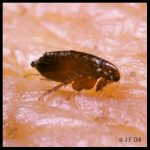
Fleas (Cat Flea shown here)
-
-
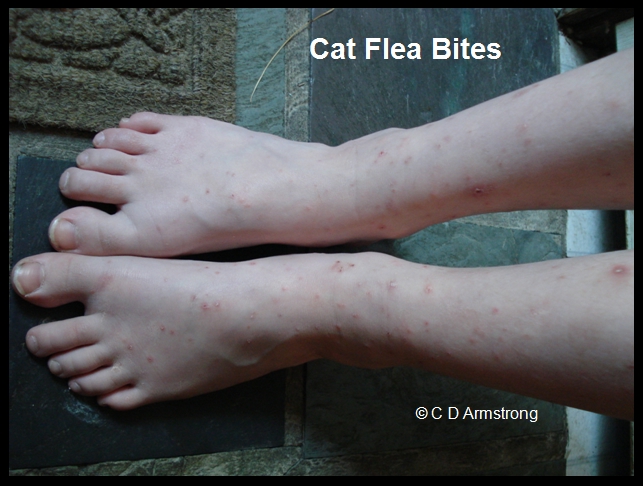
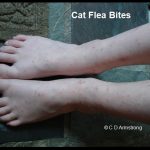
Cat Flea bites on a child’s feet and legs
-
-
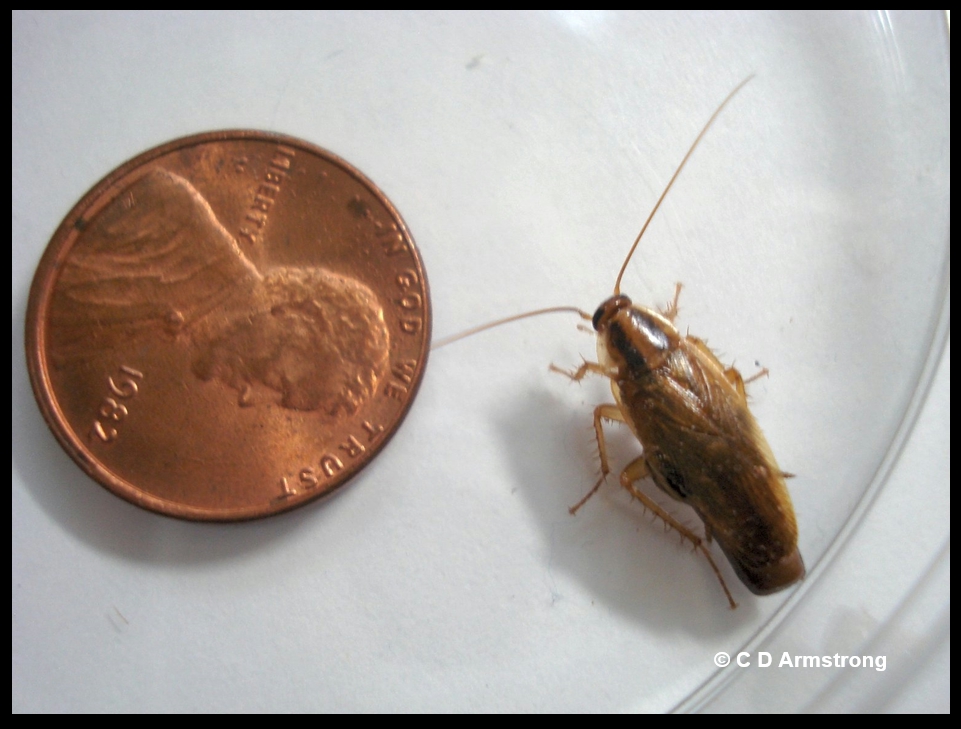
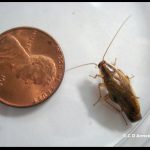
German cockroach (female) (Blattella germanica)
-
-
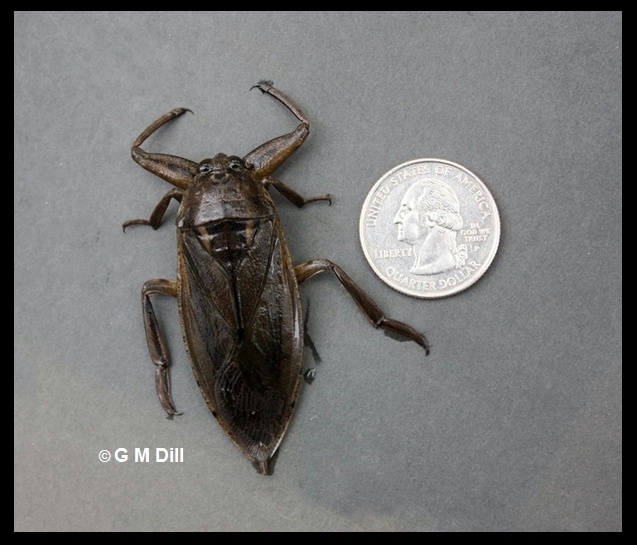
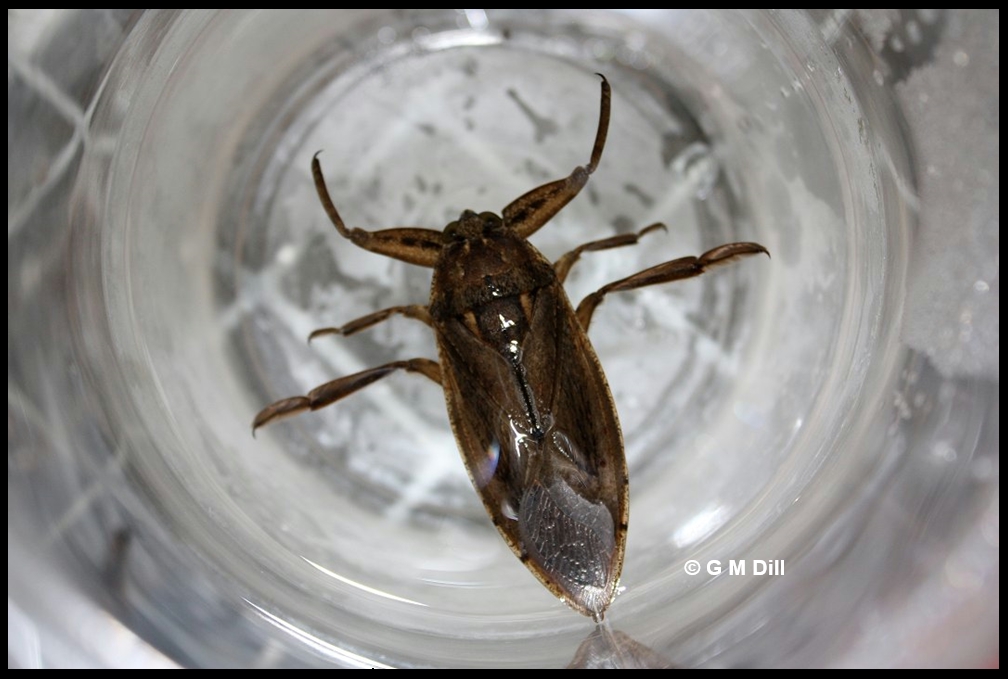
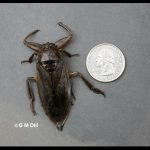
Giant Water Bug (“Toe-biter”)
-
-
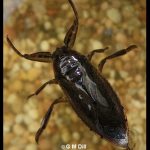
Giant Water Bug (“Toe-biter”)
-
-
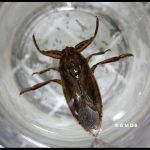
Giant Water Bug (“Toe-biter”)
-
-
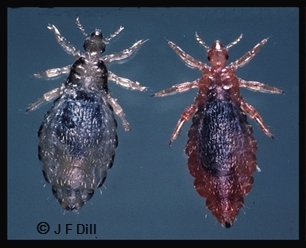
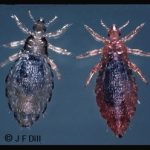
Head Lice
-
-
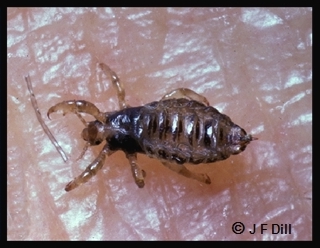
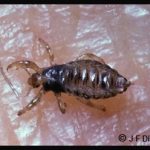
Head Louse
-
-
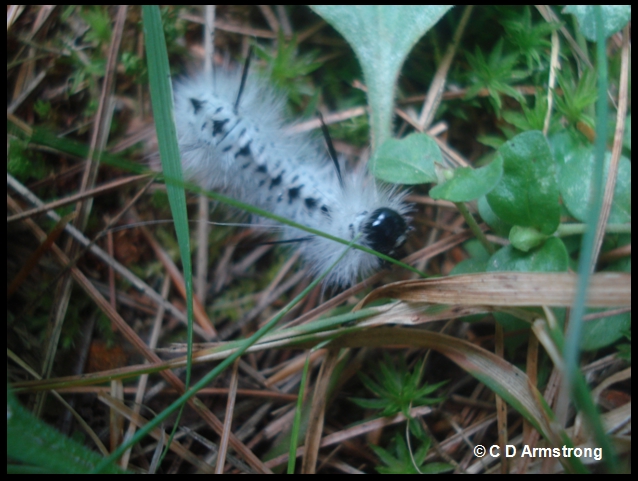
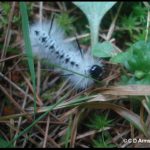
Hickory Tussock (the hairs on many tussock caterpillars can cause an itchy rash)
-
-
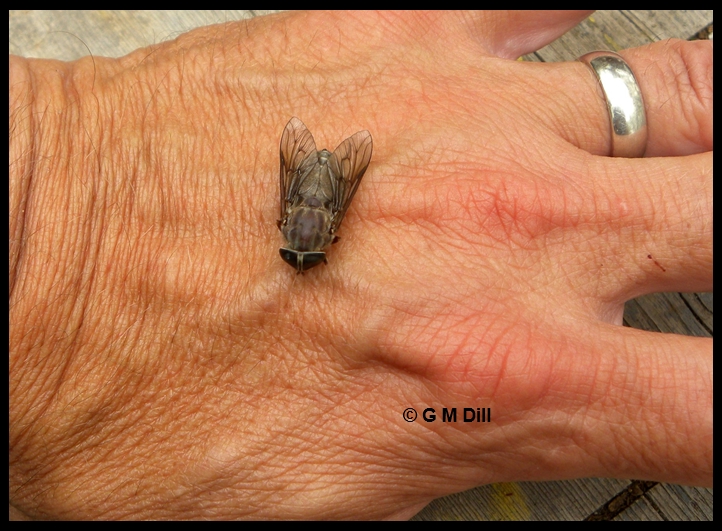
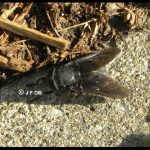
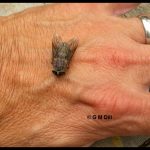
Horse Fly
-
-
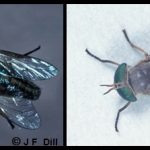
Horse Fly
-
-
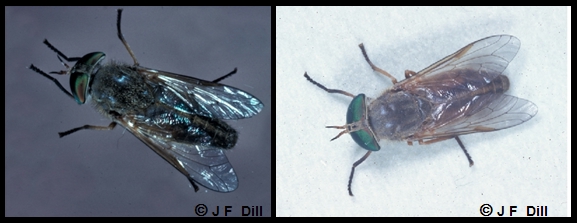
Horse Flies (additional examples)
-
-
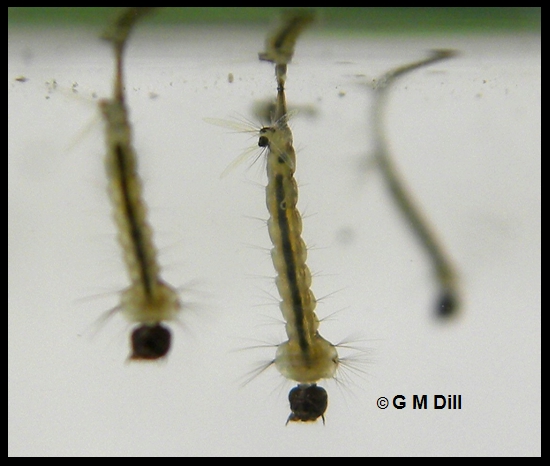
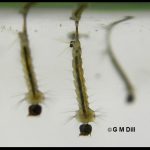
Mosquito larvae
-
-
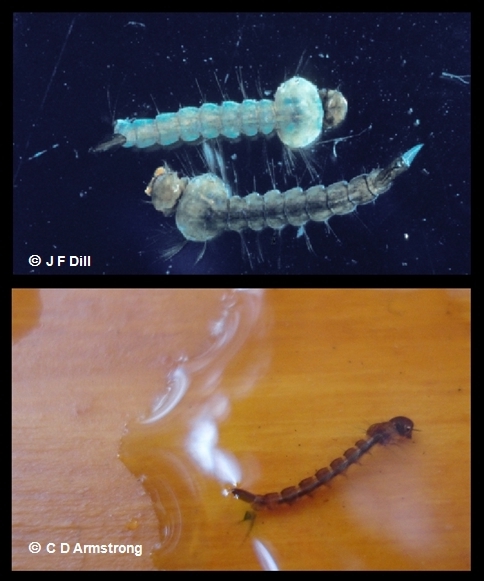
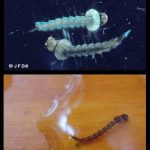
Mosquito Larvae
-
-
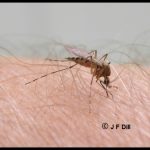
Mosquito
-
-
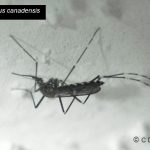
Mosquito (Ochlerotatus canadensis)
-
-
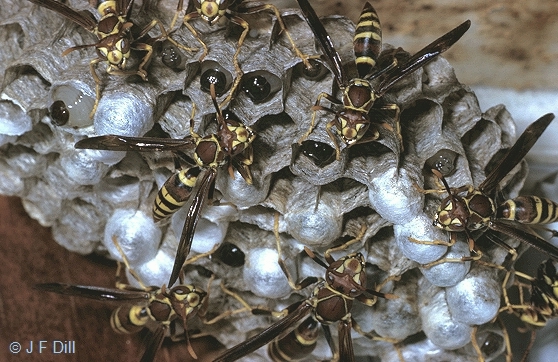
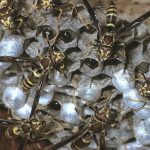
Guinea Paper Wasps (Polistes exclamans)
-
-
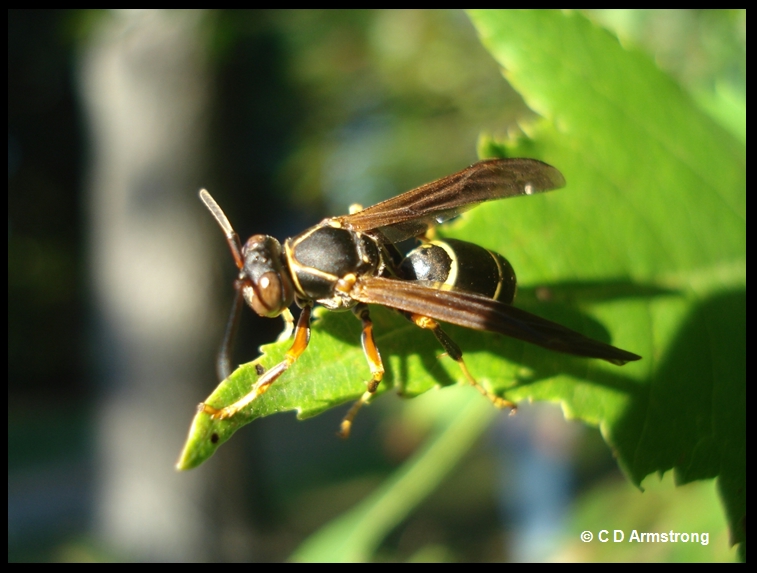
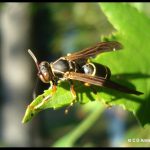
Northern Paper Wasp (Polistes fuscatus) (known also by three other common names: Dark Paper Wasp, Golden Paper Wasp and the Common Paper Wasp)
-
-
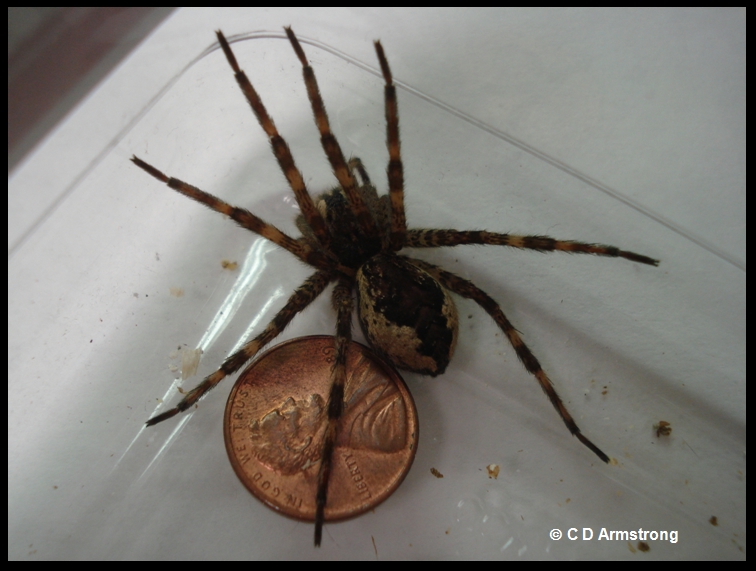
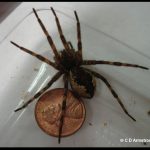
Spiders
-
-
Dangerous spiders are non-native / rarely found in Maine. Visit our Spiders page for more information.
-
-
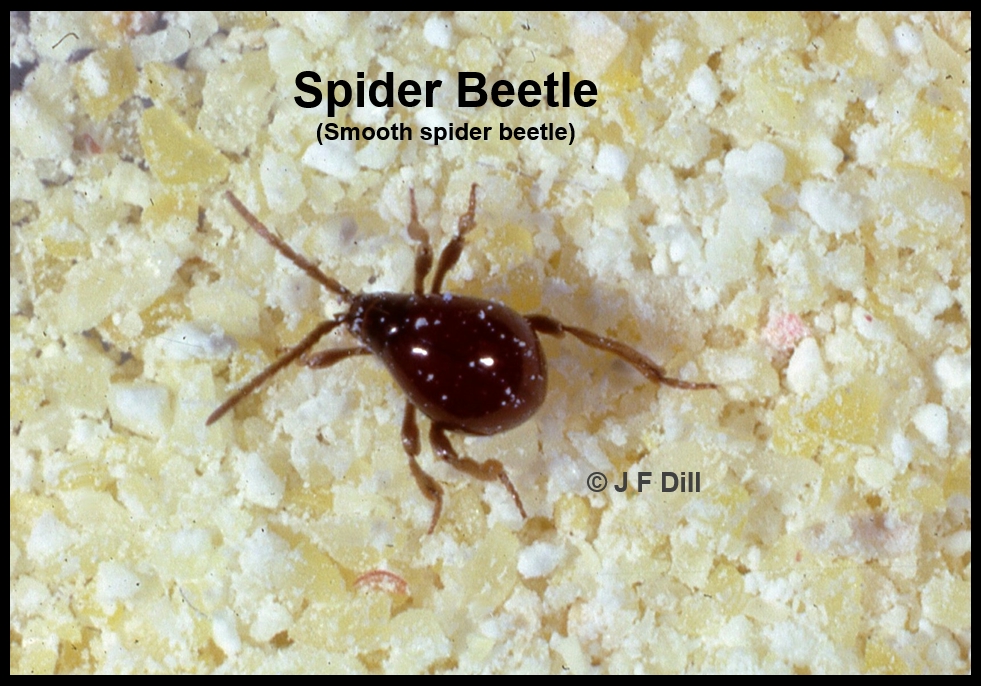
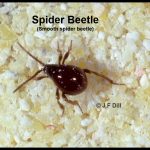
Example of a Spider Beetle (Spider Beetles are small beetles that superficially resemble spiders but are harmless)
-
-
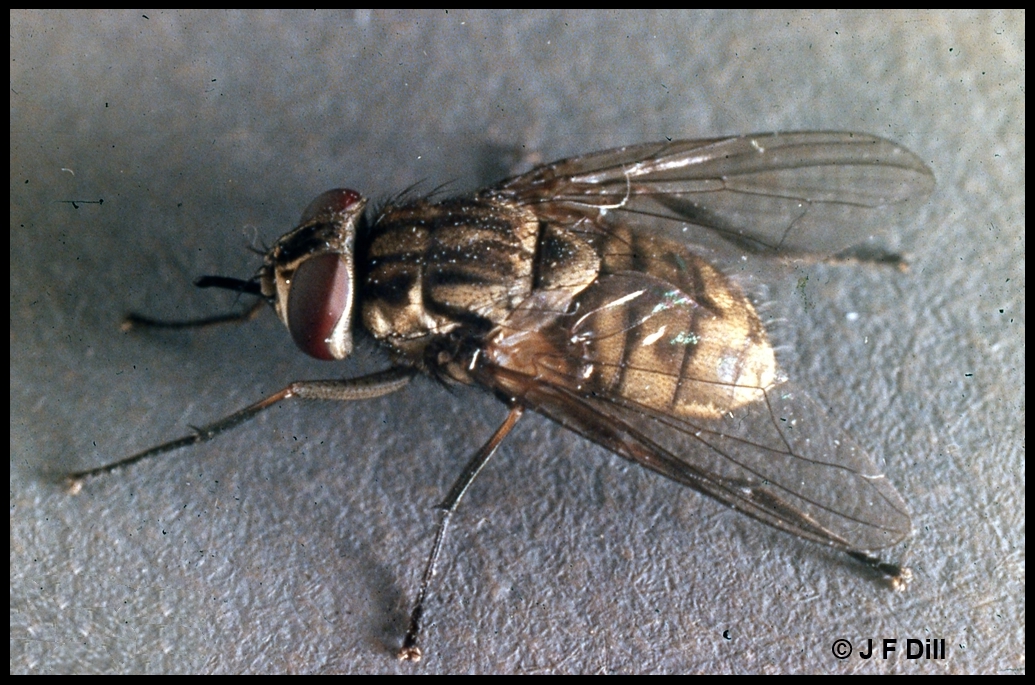
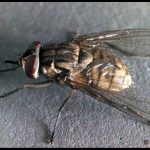
Stable Fly
-
-
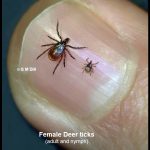
Ticks (ticks are often found indoors after hitching a ride on a person or a family pet)
-
-
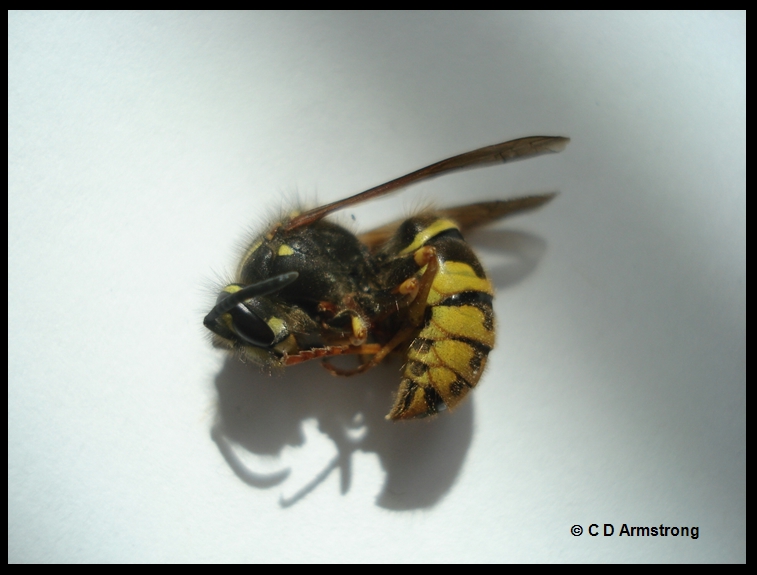
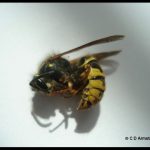
Yellowjackets
Additional Photos and Information: American Cockroaches American Dog Tick Bald-faced Hornets Bed Bugs Bird Mites [will bite people in the absence of their bird host(s) but they cannot reproduce without bird blood] (University of Minnesota Extension) Black Flies Black-legged Tick/Deer Tick Bot Flies
![Bed Bugs (various instar stages; two smaller nymphs [top of photo] and two adults [lower right])](https://extension.umaine.edu/home-and-garden-ipm/wp-content/uploads/sites/43/2025/03/Bed-Bugs-Various-Stages-113022.jpg)