Insect ID: Insects Found in the Yard and Landscape Some of these critters sometimes hitch a ride indoors on such things as firewood, clothing, a family pet, etc. Return to Lawn / Grassy Area
-
-
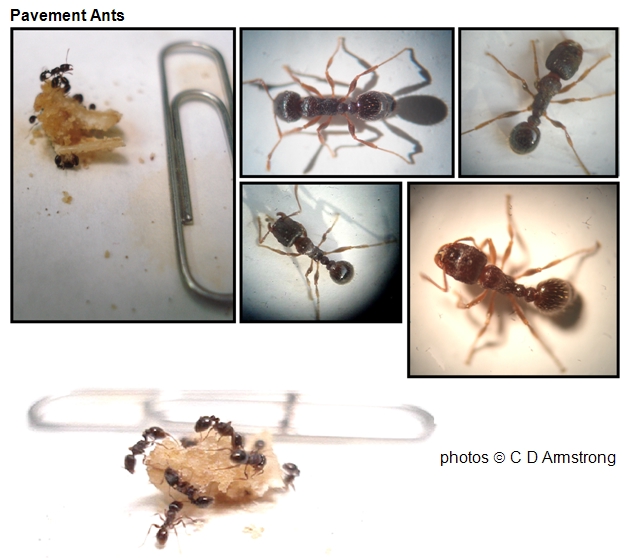
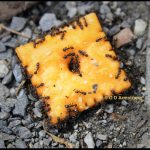
Ants (especially Pavement Ants which are pictured here)
-
-
Pavement Ants
-
-
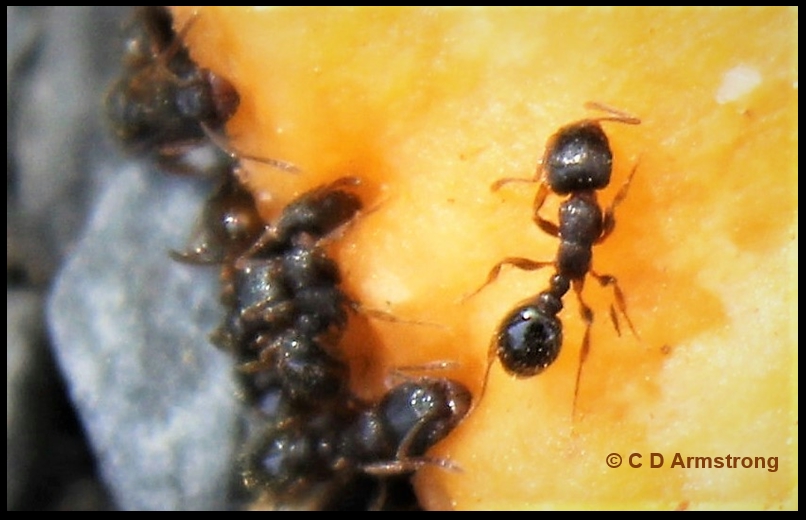
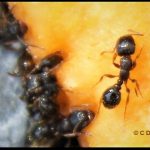
Pavement ants
-
-
-
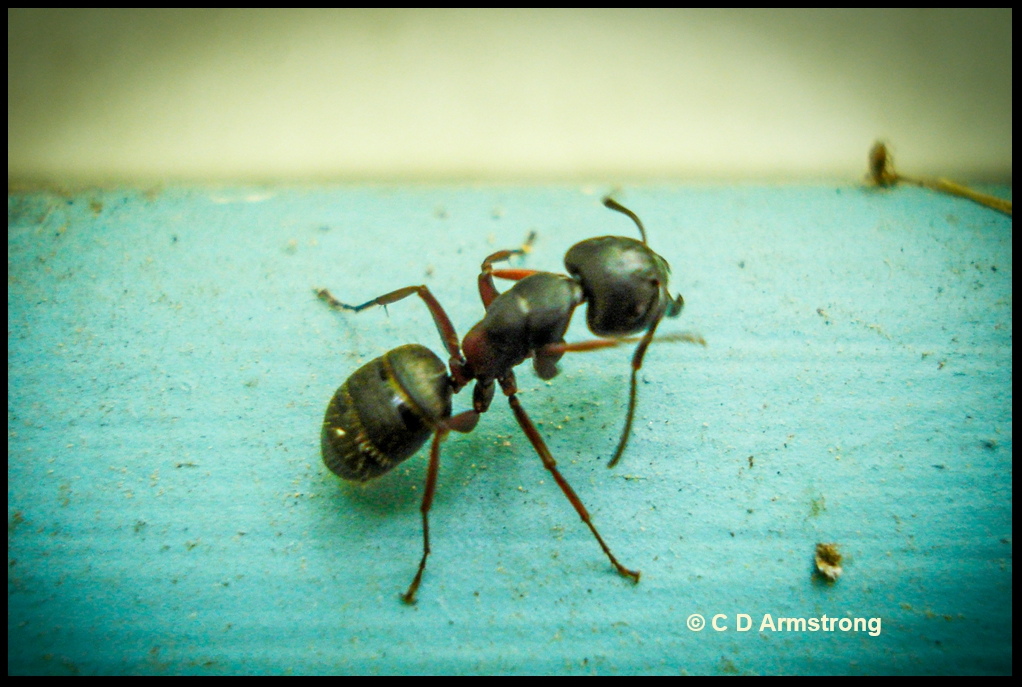
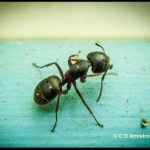
Eastern Black Carpenter Ant (worker) (Camponotus pennsylvanicus) (central Maine; 6/13/2009)
-
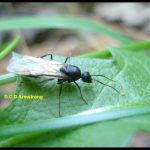
-
A male Carpenter Ant
-
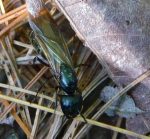
-
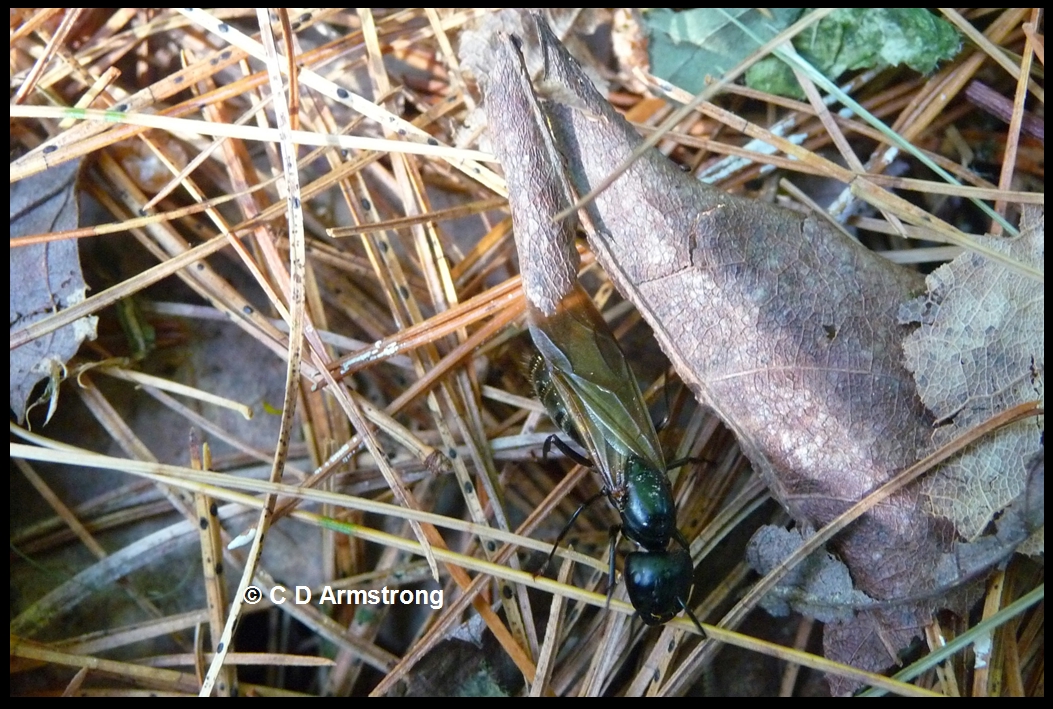
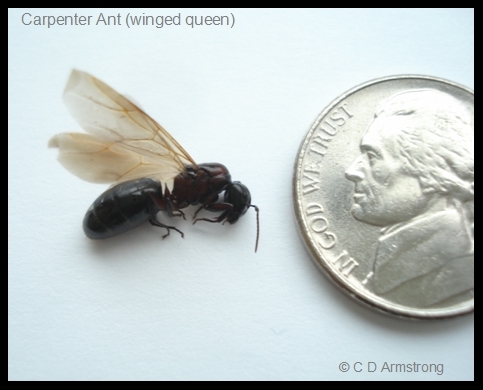
Carpenter Ant (Winged Queen)
-
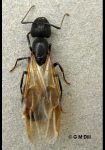
-
Carpenter Ant (Winged Queen)
-
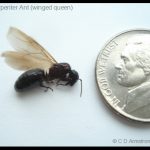
-
Carpenter Ant (Winged Queen)
-
-
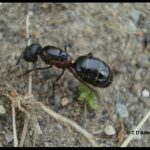
Carpenter Ant Queen (wingless stage; they shed their wings after mating)
-
-
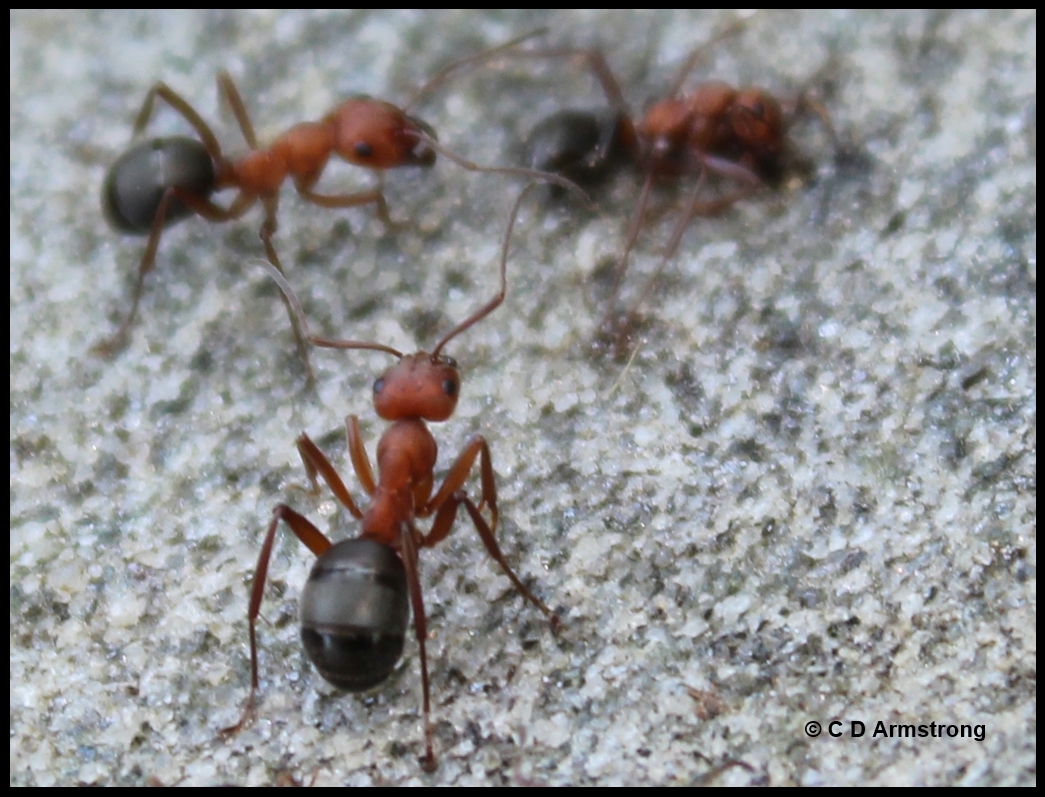
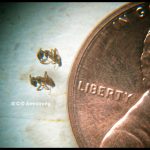
Cornfield Ants
-
-
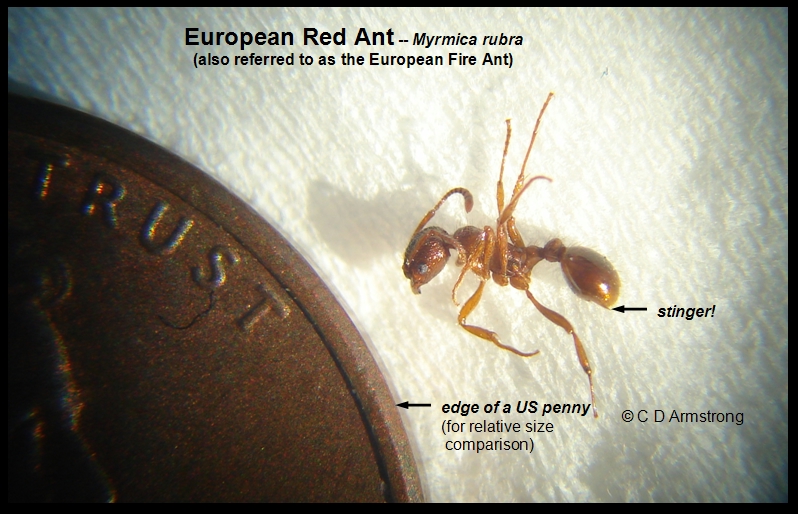
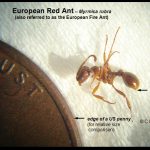
European Red Ant — Myrmica rubra (also referred to as the European Fire Ant) (Invasive)
-
-
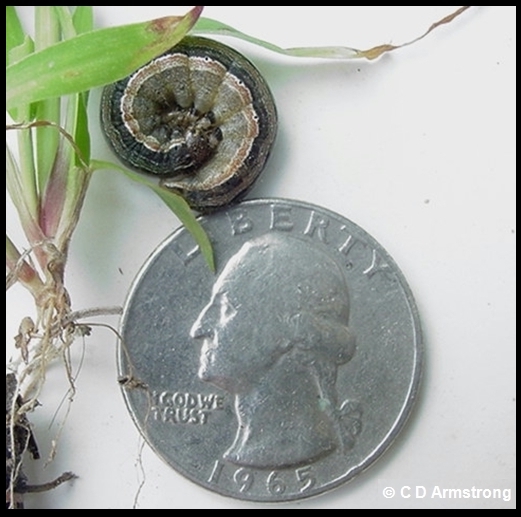
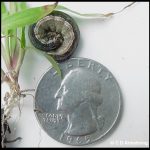
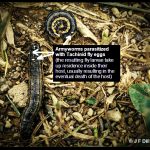
Armyworm Caterpillar
-
-
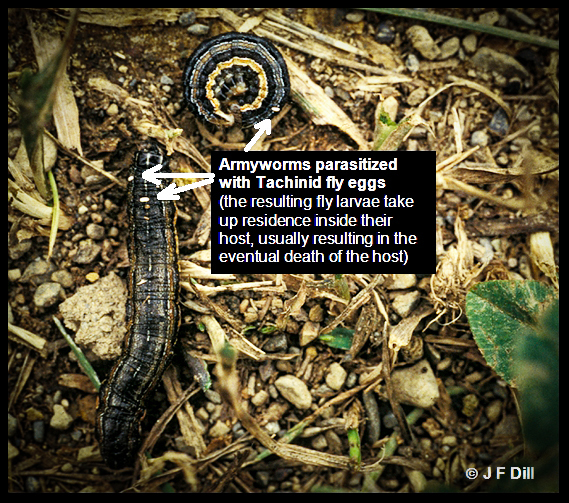
Pair of armyworms parasitized by one or more tachinid flies
-
-
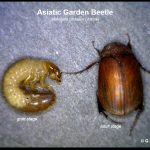
Asiatic Garden Beetle (grub and adult)
-
-
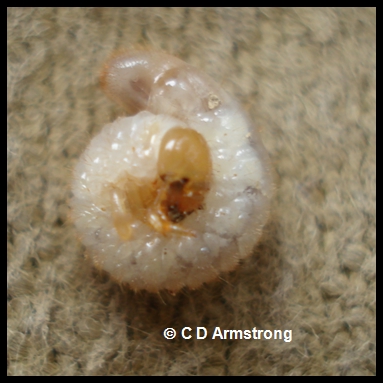
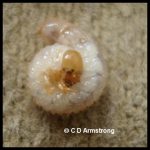
Asiatic Garden Beetle grub (Note: Correct ID requires careful examination of the grub’s rastral pattern of hairs because there are many other species of “white grubs” that otherwise look very similar to one another)
-
-
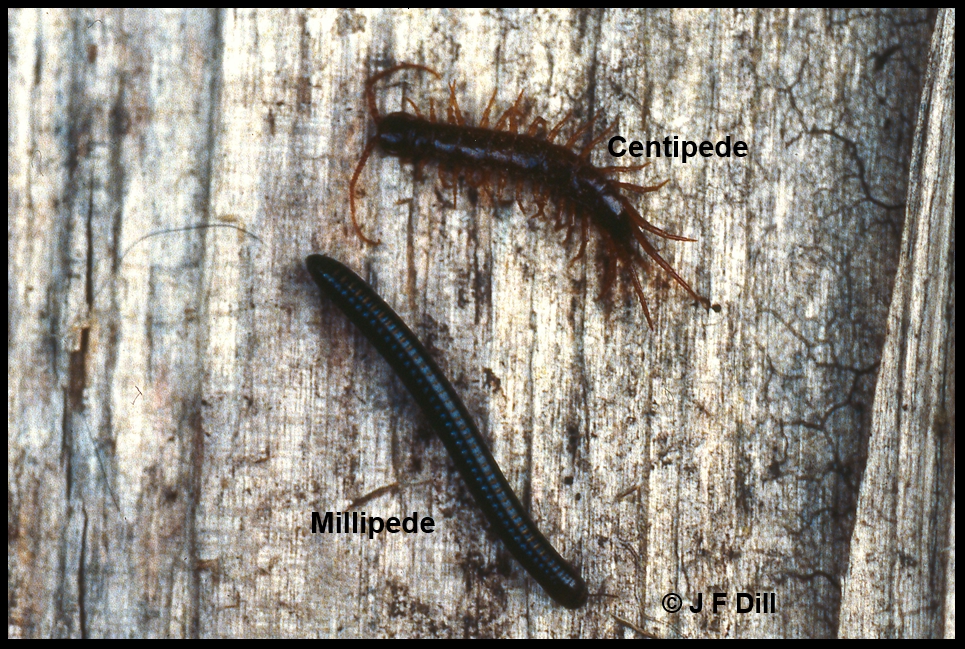
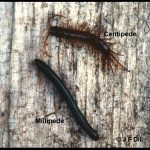
Centipedes and Millipedes
-
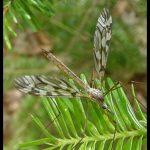
-
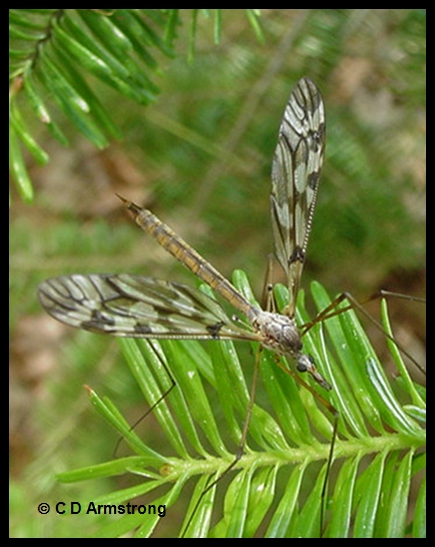
Example of a Crane Fly (this one is a “Large Crane Fly” in the Tipulidae family)
-
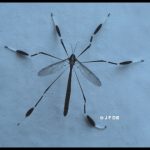
-
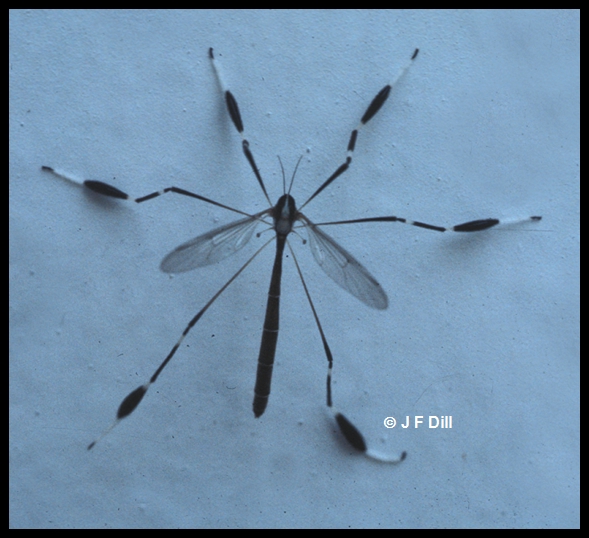
Phantom Crane Fly (Family Ptychopteridae)
-
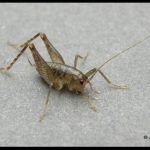
-
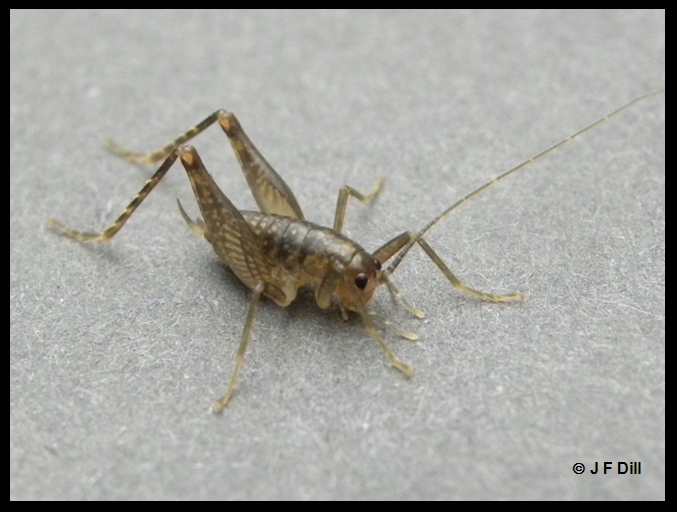
Camel Cricket
-
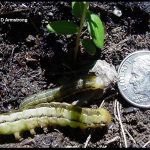
-
Pair of False Armyworm cutworms
-
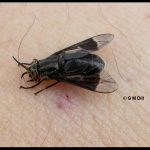
-
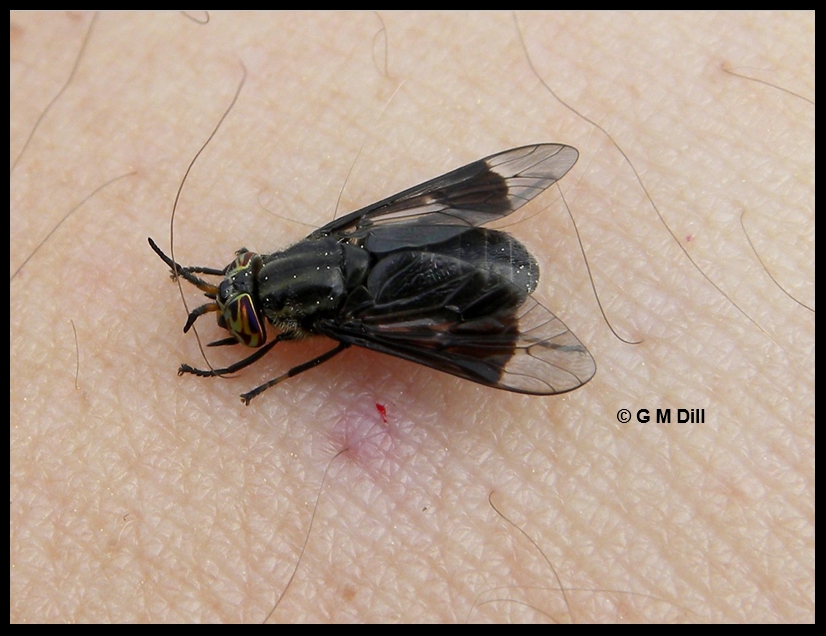
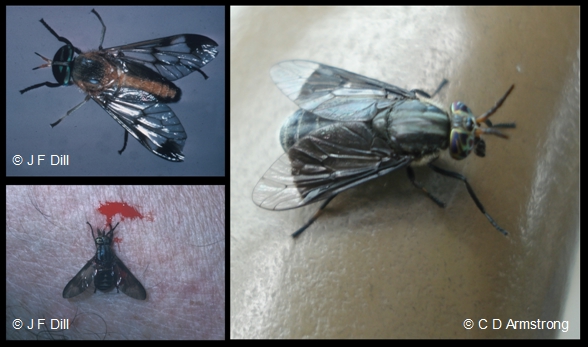
Deer Fly (their larvae are aquatic)
-
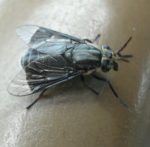
-
Deer Flies
(their larvae are aquatic)
-
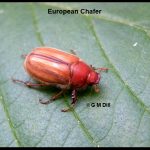
-
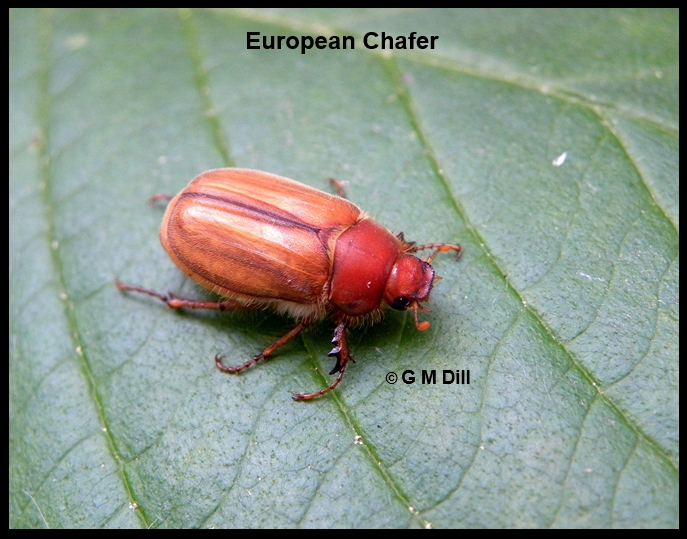
European Chafer
-
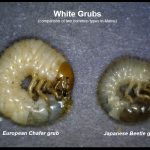
-
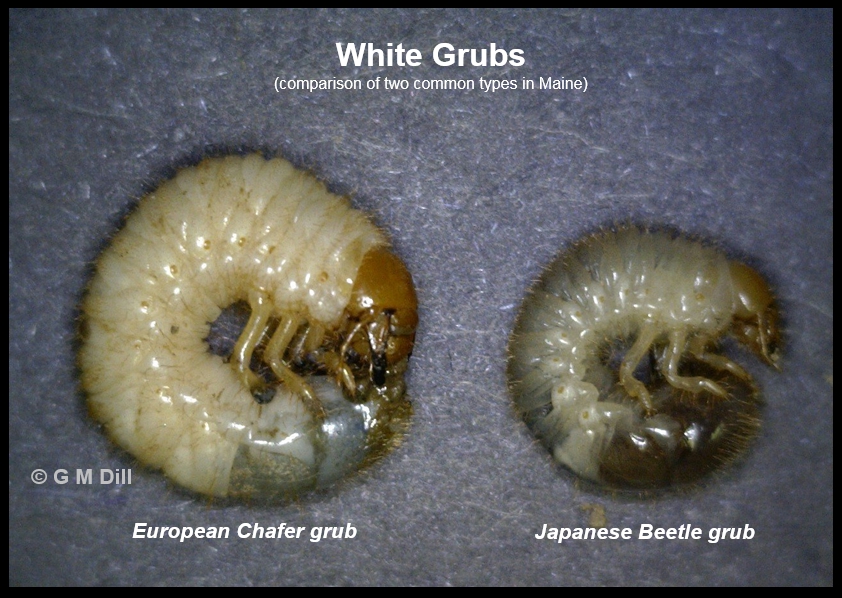
Comparing grubs of European Chafer and Japanese Beetle
-
-
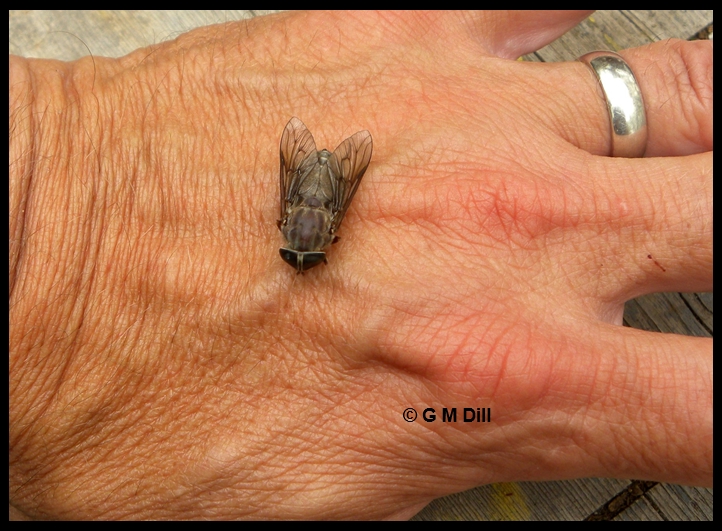
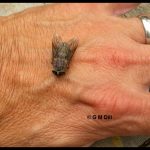
Horse Fly
-
-
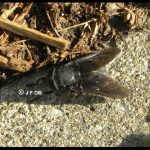
Horse Fly
-
-
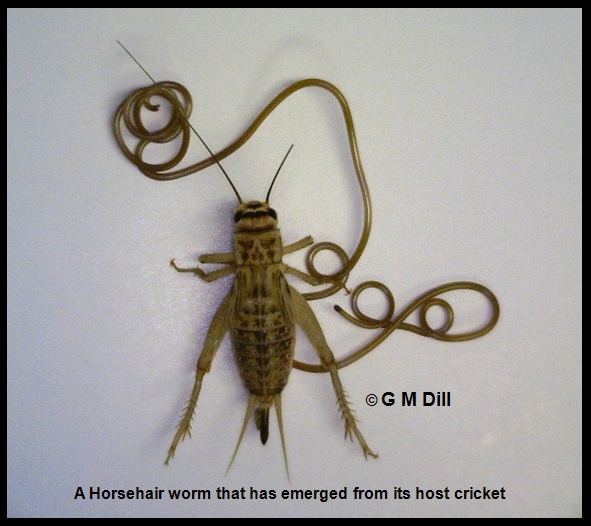
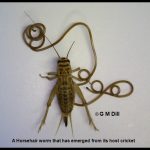
A Horsehair worm that has emerged from its host cricket
-
-
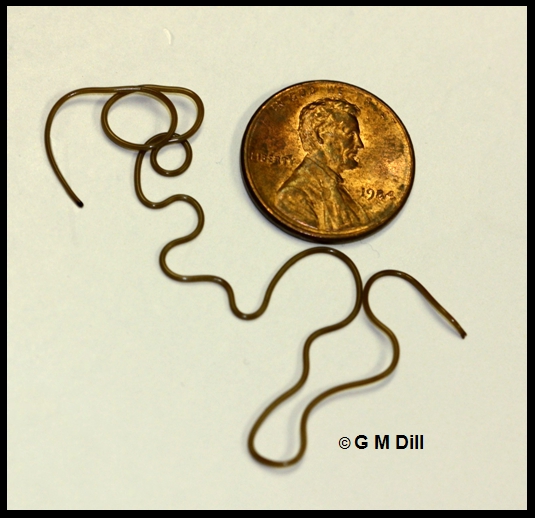
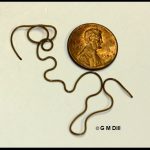
Horsehair Worm (these are not insects, of course)
-
-
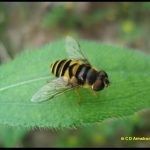
Transverse-banded Flower Fly (Eristalis transversa) (another example of a species that mimics bee/yellowjacket patterning)
-
-
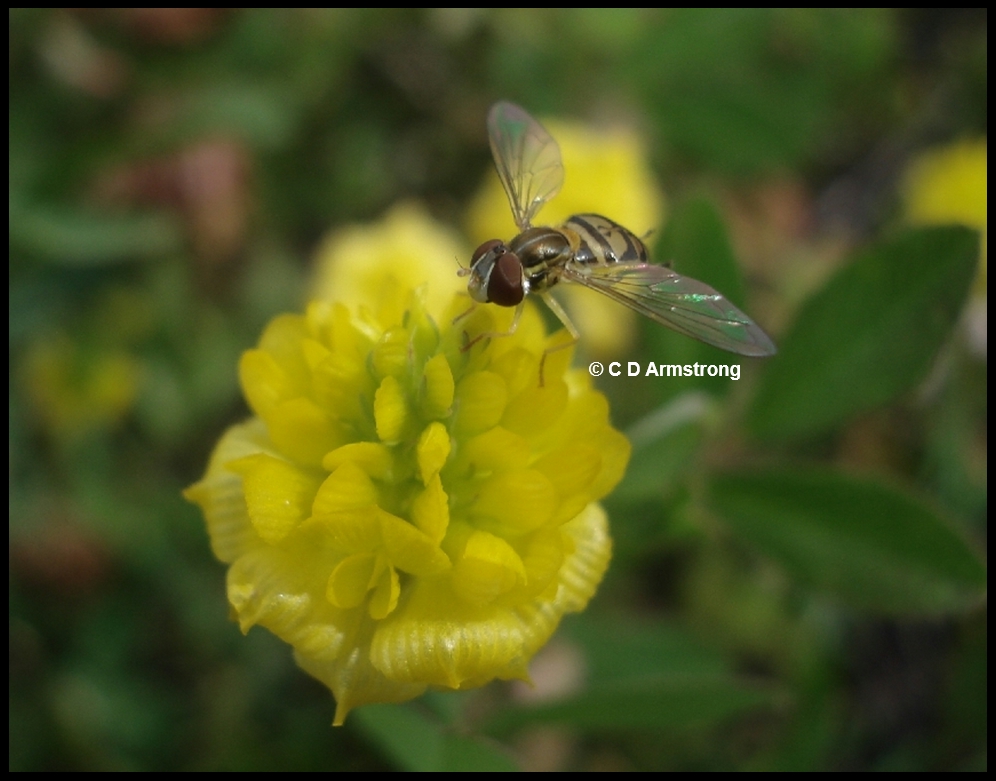
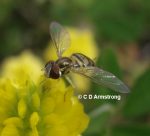
Margined Calligrapher (Toxomerus marginatus) feeding on pollen and/or nectar from a hop clover flower; 7/7/2008 (their larvae feed on aphids, thrips, and small caterpillars)
-
-
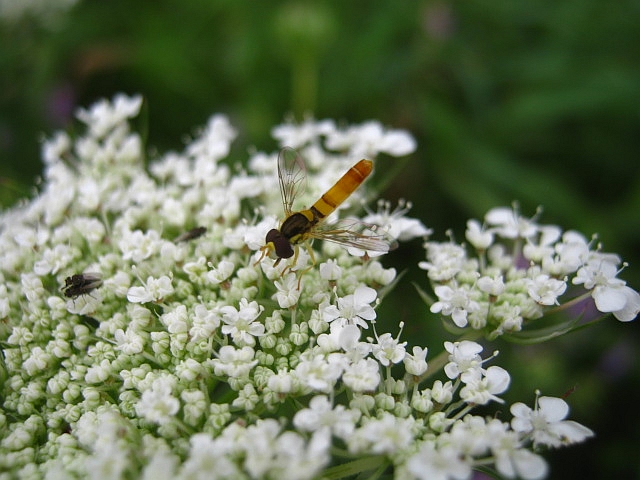
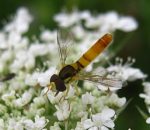
Tufted Globetail (Sphaerophoria contigua) (Photo courtesy of Dana Wilde from Unity, ME) (mid July, 2013)
-
-
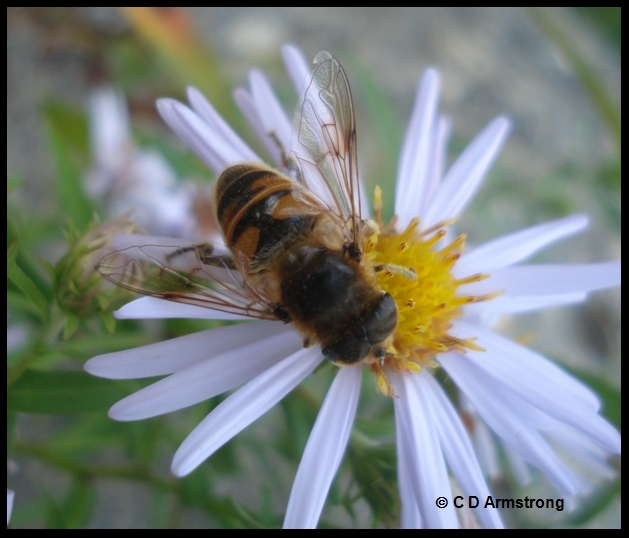
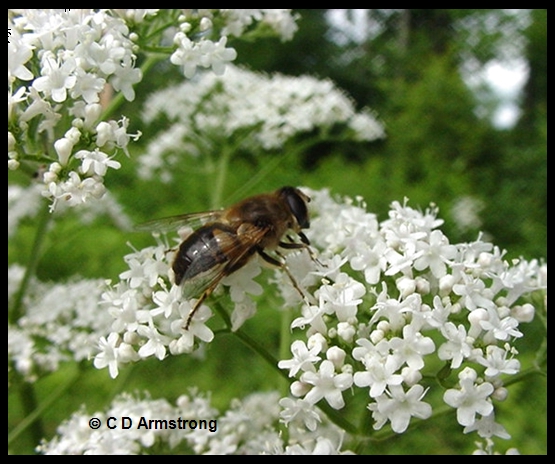
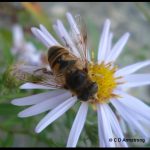
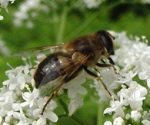
Common Drone Fly (Eristalis tenax) (Drone fly is sometimes written as one word: Dronefly)
-
-
Common Drone Fly (Eristalis tenax) (a species of syrphid fly that mimics a honey bee drone)
-
-
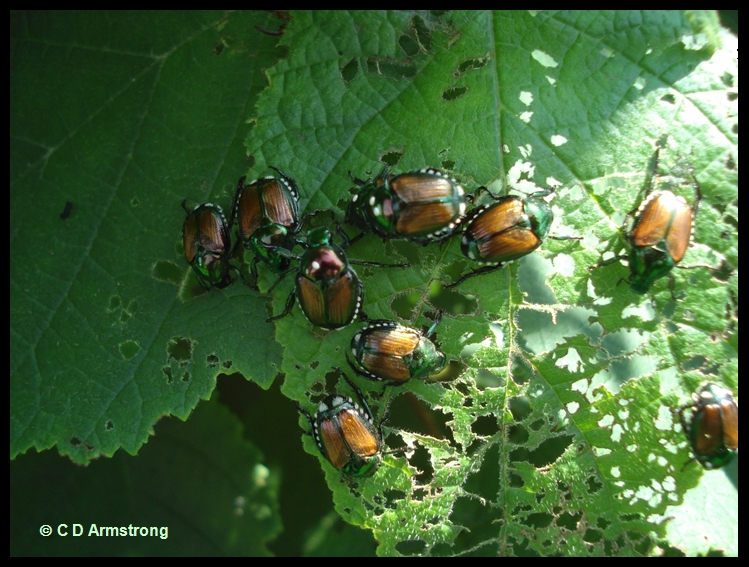
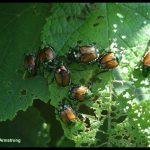
A cluster of Japanese Beetles
-
-
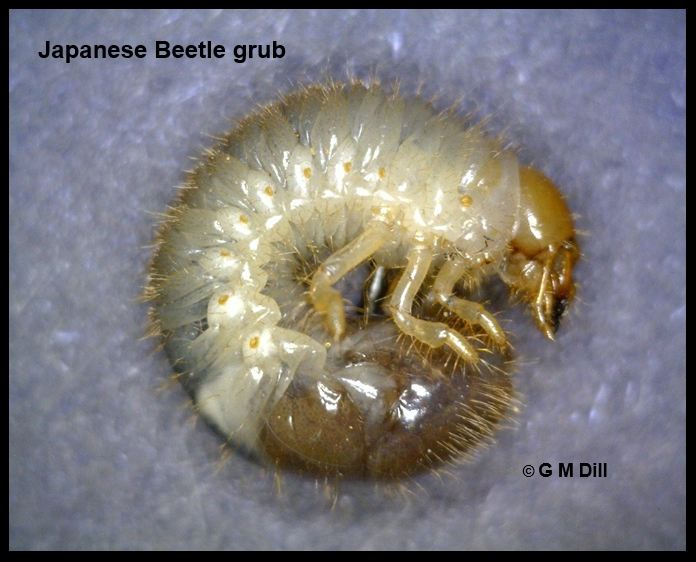
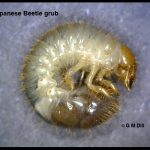
Japanese Beetle Larva/Grub
-
-
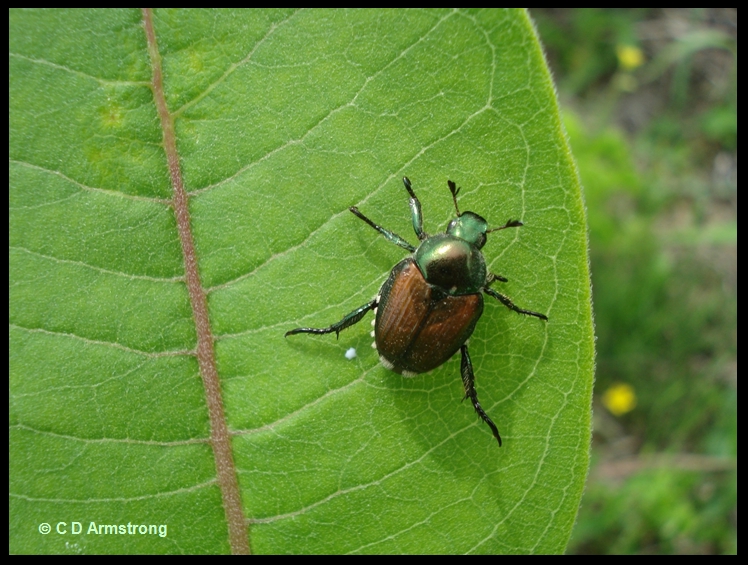
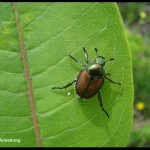
Japanese Beetle (on a milkweed leaf)
-
-
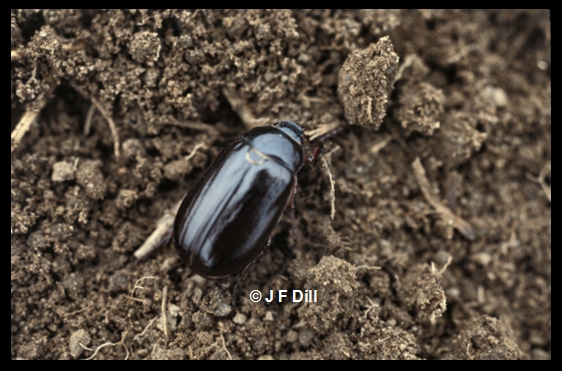
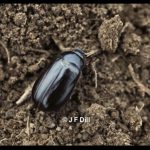
May Beetle / June Beetle
-
-
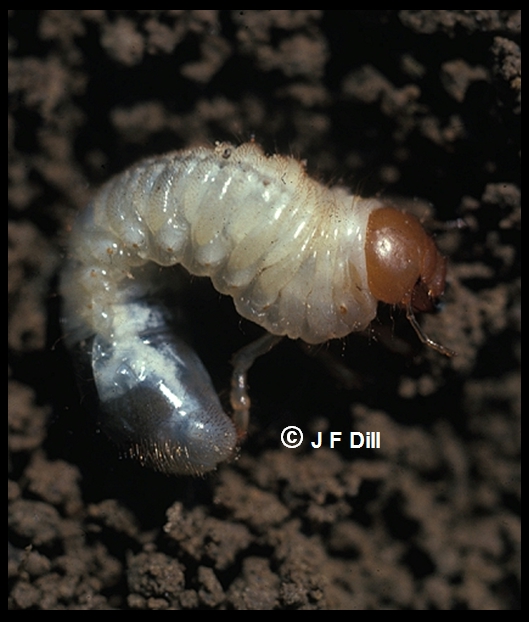
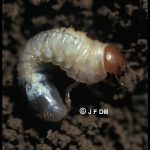
June Beetle grub
-
-
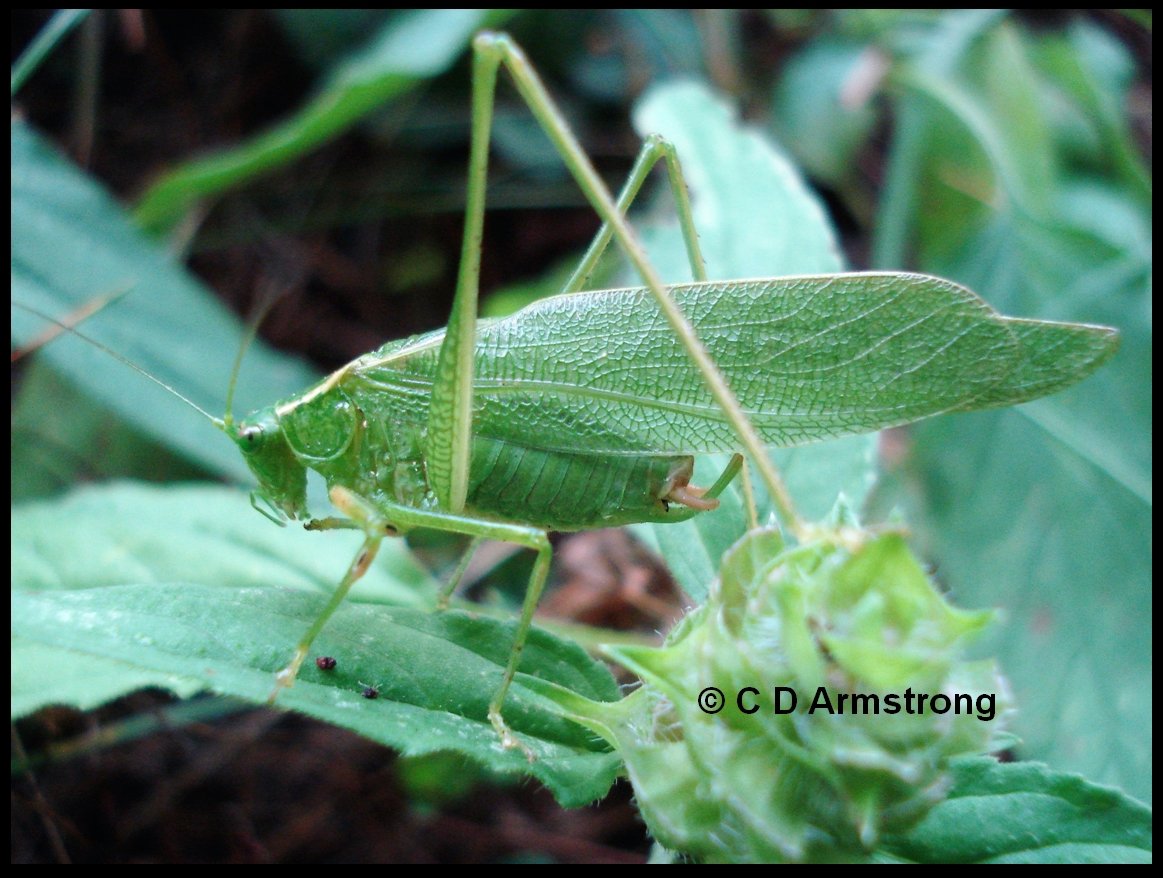
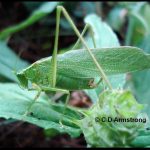
Katydid (Northern Bush Katydid, Scudderia septentrionalis) (Etna, ME; 8/6/2010)
-
-
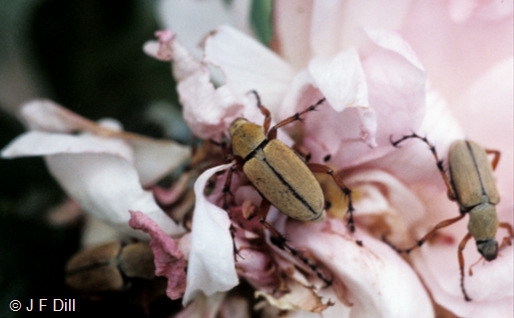
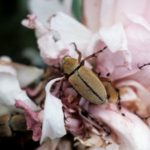
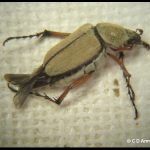
Rose Chafers
-
-
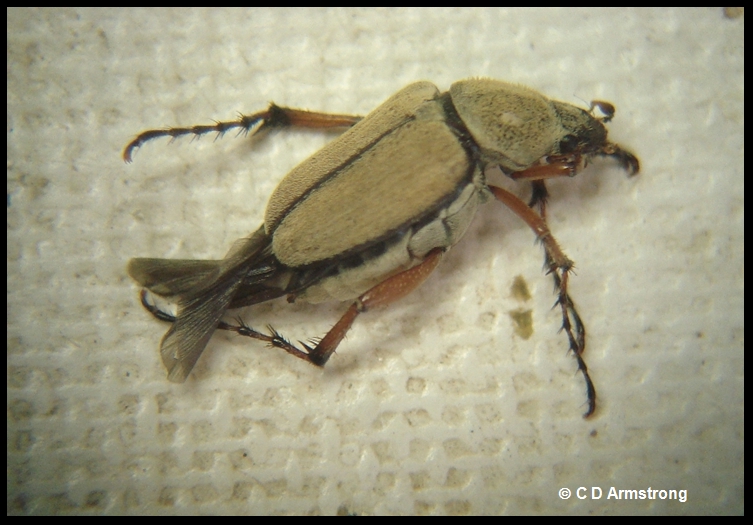
Closer view of a Rose Chafer (The rose chafer is a type of scarab beetle)
-
-
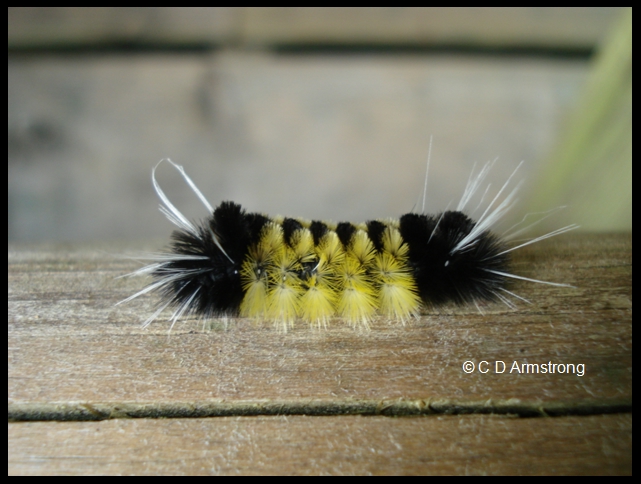
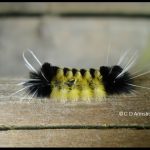
Spotted Tussock
-
-
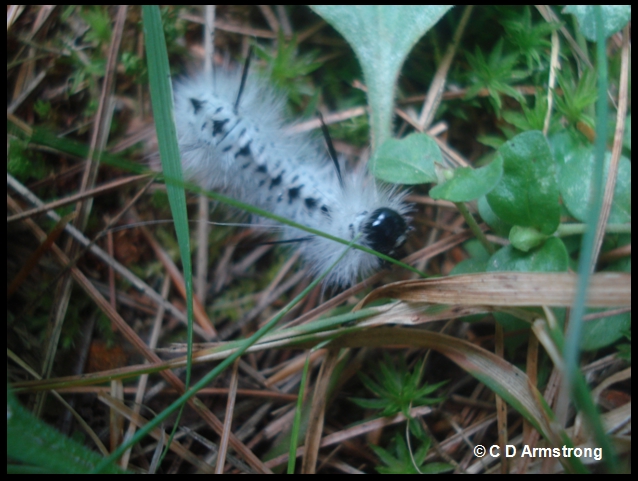
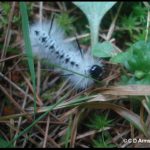
Hickory Tussock (the hairs on many tussock caterpillars can cause an itchy rash)
-
-
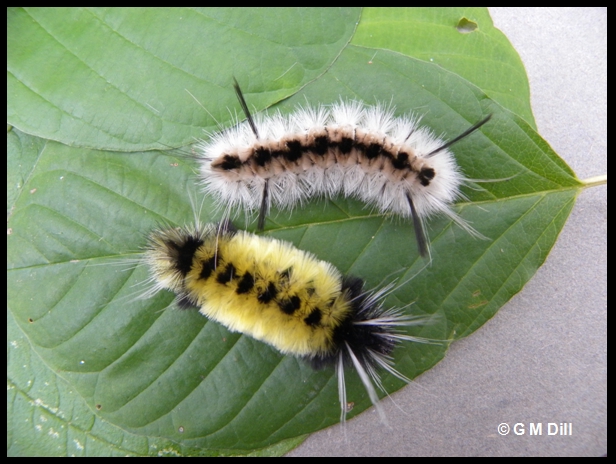
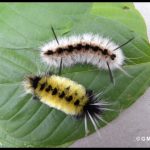
Tussock caterpillars: Hickory Tussock (top) and Spotted Tussock (bottom).
-
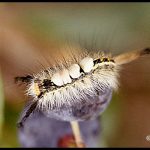
-
White-marked Tussock Caterpillar (feeding on lowbush blueberry)
-
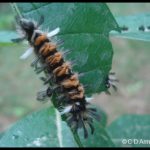
-
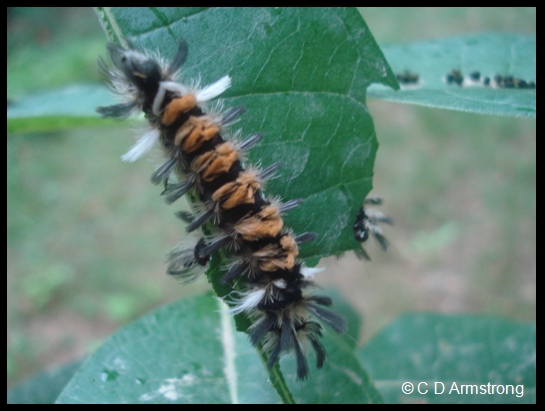
Milkweed Tussock Caterpillar (Euchaetes egle) (Etna, ME; 8/23/2009) (this caterpillar is not an invasive species)
-
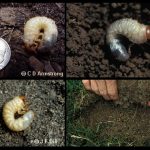
-
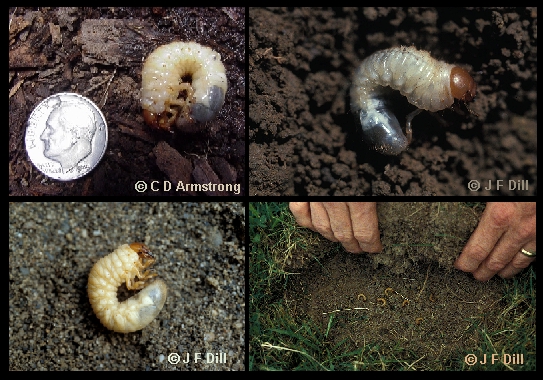
White Grubs
-
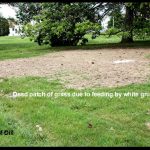
-
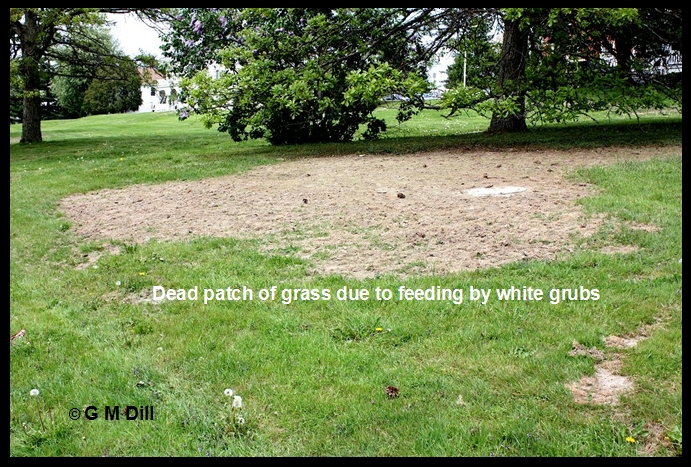
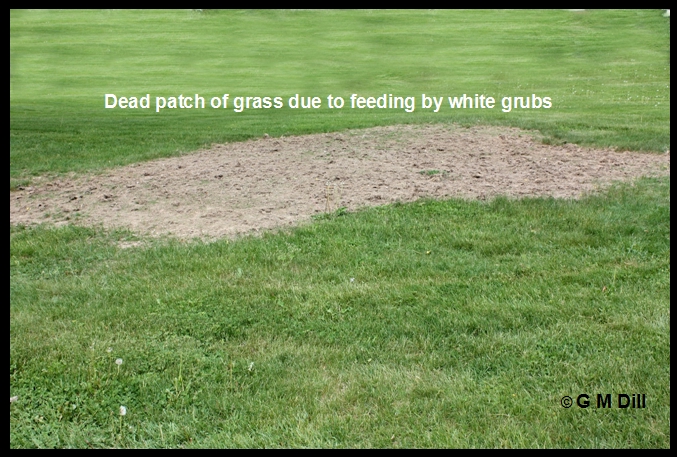
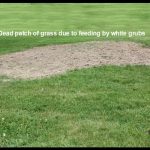
White Grub damage to a lawn
-
-
White Grub damage to a lawn
-
-
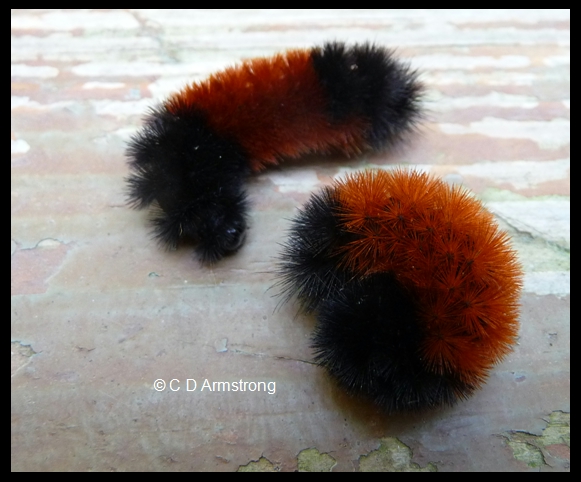
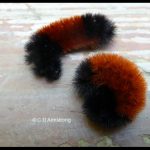
Woollybear Caterpillars (Banded Woollybear)
-
-
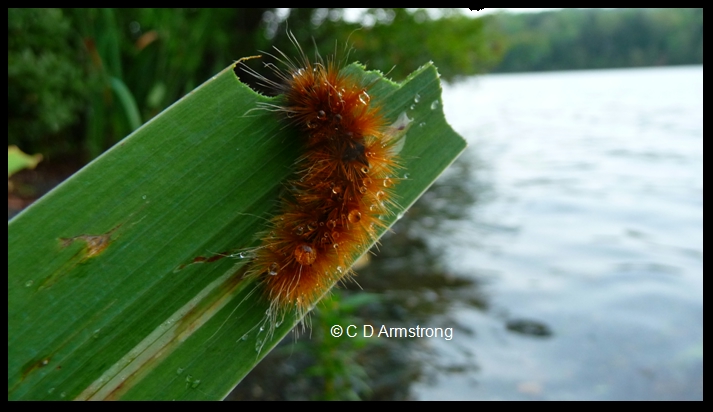
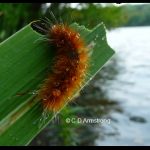
Yellow Bear Caterpillar / Yellow Woollybear (Spilosoma virginica) (Greenville, ME; 9/4/2011)
Lawn / Grassy Area: Ants Armyworms Asiatic Garden Beetle Carpenter Ants Caterpillars Centipedes Chinch Bugs Crane Flies