
Connecting Maine Youth to the Outdoors
Delivering inclusive, hands-on, and experiential outdoor learning for every 4th-8th grader in Maine.
About The Program
In 2025, Governor Janet Mills signed a bill, sponsored by Senator Rick Bennett that established the Outdoor School for All Maine Students program. The bill charged University of Maine Cooperative Extension with establishing an Outdoor School for All program support immersive outdoor education across the state. When fully funded, Extension Outdoor School will create equitable opportunities for students to engage in interdisciplinary, experiential learning in natural settings.
Our goal is to connect Maine’s public school students with incredible outdoor learning opportunities that develop collaboration and STEM skills, build confidence and self-awareness, and highlight the importance of Maine’s natural resource industries. The program, launching in the 2025-2026 school year, aims to prepare youth for success through academic and career pathways that will help build a labor force skilled in resource management, conservation, outdoor recreation, agriculture, and forestry.
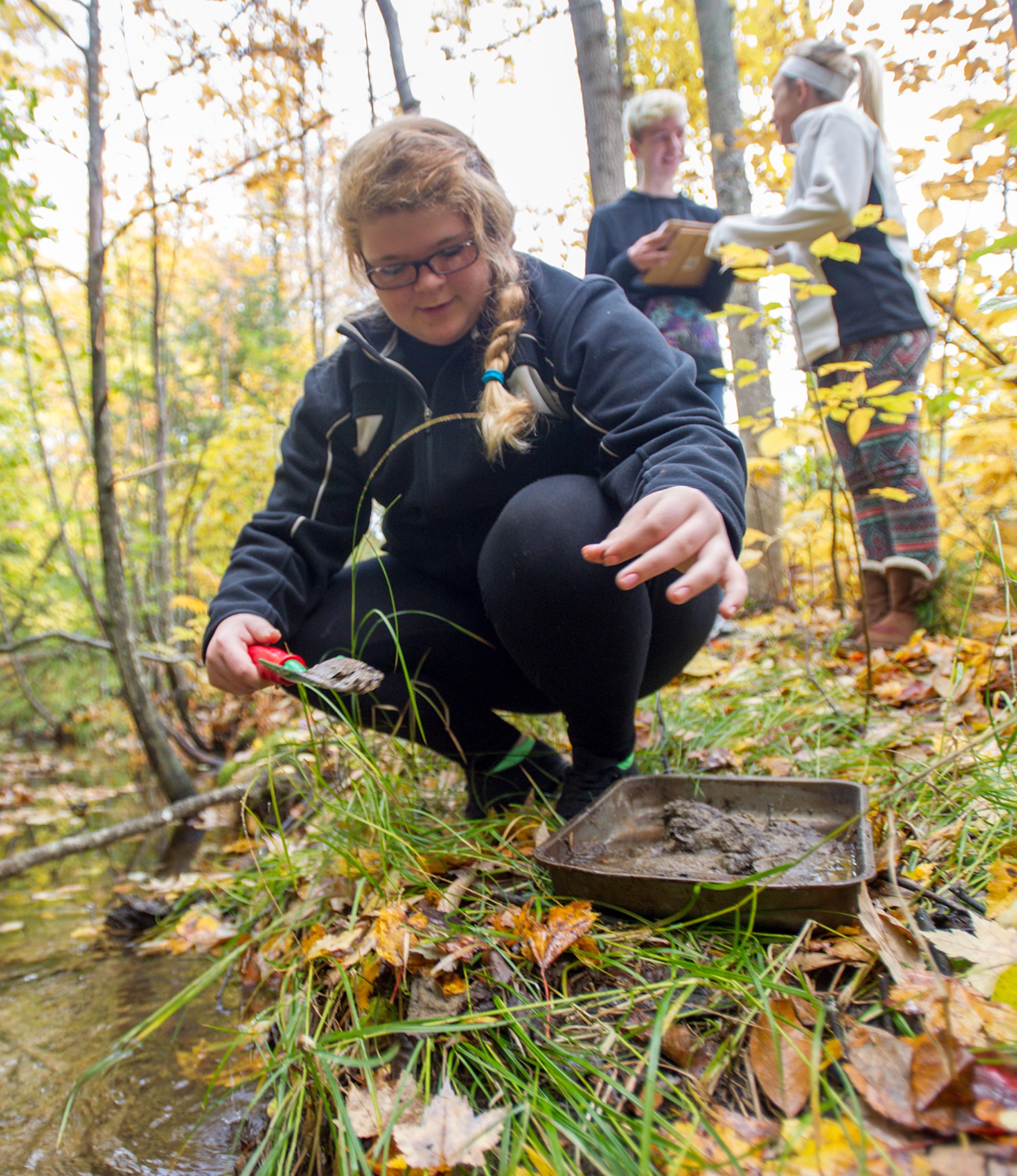
Why Outdoor School Matters
Experiential Hands-on Learning
Uses the outdoors and local ecosystems as the primary context for hands-on learning, including lessons, shared meals, daily routines, and immersive on-site living experiences.
Discovery and Problem-Solving
Encourages hands-on engagement, active observation, discovery, teamwork, intellectual curiosity, critical thinking, and real-world problem-solving skills that build confidence in learners.
Core Subjects and Natural Resources
Highlights Maine’s outdoor heritage, science, engineering, technology, mathematics, health, and natural resources, supporting career pathways and future opportunities.
COVID-19 Learning Loss Support
Supports students and teachers in combating learning loss associated with the COVID-19 pandemic.
Social-Emotional Development
Develops teamwork, citizenship, self-awareness, and community responsibility, fostering health and wellness.
Safety and Accessibility
Ensures safe, age-appropriate activities and promotes high levels of accessibility for students with disabilities.
Program Goals
Program Structure and Providers
Outdoor education program providers partnering with UMaine Extension Outdoor School must meet specific requirements to ensure a high-quality experience for students. Aligned with state learning results, the core curriculum should focus on helping students develop STEM, leadership, communication, and collaboration skills while fostering confidence, connection to the state’s outdoor heritage, and a commitment to environmental stewardship.
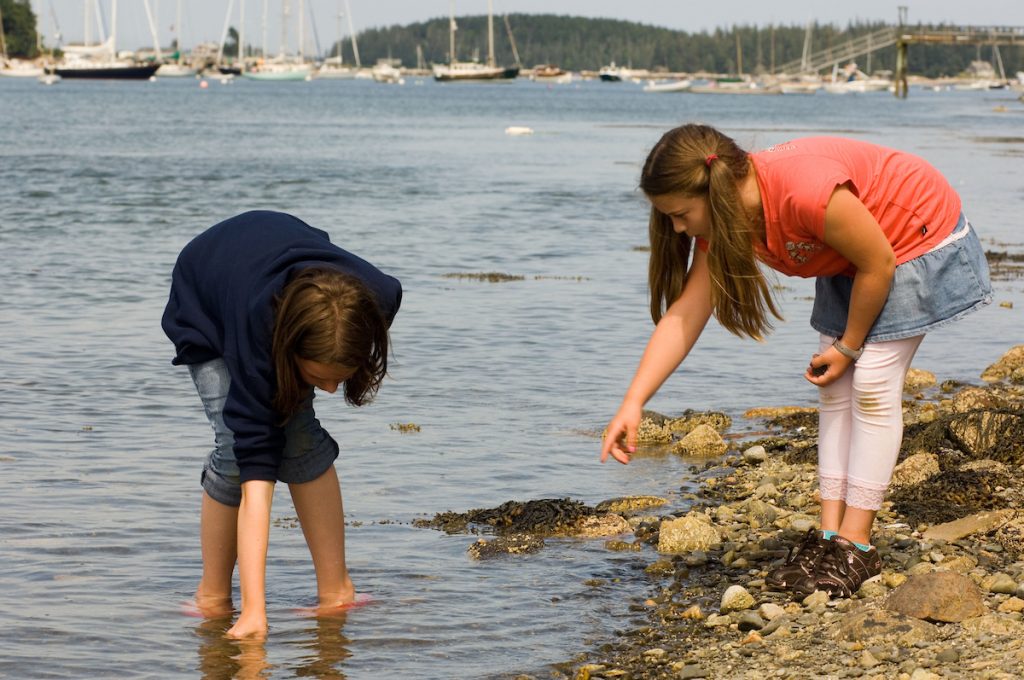
Who Can Participate?
Extension is piloting Outdoor School in the 2025-2026 school year. For the pilot program, nonprofit organizations that can provide overnight programming with meals and lodging on site, or in an expeditionary setting, will apply for grants to cover costs up to $395 per student.
The program is designed to serve publicly funded students enrolled in grades 4 to 8, including homeschool students.
Priority will be given to schools and communities historically underserved by outdoor education, including:
- Rural and remote schools
- Schools with high numbers of students who qualify for free or reduced-price lunches
- Indian tribes and nations
- Migrant students
- Students in alternative education programs
- Students of color
- English language learner students
- Students receiving special education services
Thank You to Our Valued Partners
We extend our profound gratitude and appreciation to the foundations whose strategic partnership is making the Extension Outdoor School a reality.
A heartfelt thank you to:
Your collective support is far more than funding; it is a direct investment in equitable access to education. By championing Outdoor School, you are ensuring every fourth through eighth grader in Maine gains essential STEM skills, builds confidence, and connects with the natural resource pathways that will shape the future of our state. Thank you for your commitment to Maine’s youth and environment.
All Maine students deserve a chance to experience the transformational power of outdoor education, connecting them to our state’s natural heritage.
Year 2 Goals (2026-27)
How to Apply
If you are a teacher or administrator at a publicly funded school in Maine and would like your students to participate in an Outdoor School program, contact Ryder Scott (email: ryder.scott@maine.edu) at UMaine Extension for more information.
Grants will be made to Outdoor School providers, which must be not-for-profit organizations currently operating in the State of Maine and meet the following criteria:
- Have the ability to provide immersive (preferably overnight) programming for groups of 4th-8th graders.
- Possess state licensure as either a summer camp (through the Department of Health and Human Services), a limited purpose school (under the Department of Education), or other state licensure qualifying the entity to serve the public, including schools.
- Provide evidence of liability insurance of at least $1 million and be prepared to name University of Maine as an additional insured.
- Provide evidence that all staff working directly with students are background checked, and have received training in best practices of outdoor and environmental education, including safety, risk management and lesson/program delivery.
- Require participating schools and students to complete an online survey as soon after the program as feasible.
| RFA Release/Eligibility Checklist | February 2, 2026 |
| Grant Portal Opens | February 9, 2026 |
| Application Deadline | February 27, 2026 |
Applications for the 2026 Spring session are open
Contact
Ryder Scott, Executive Director of 4-H Learning Centers, at email ryder.scott@maine.edu for program details.
Maine Outdoor School for All
A network of overnight learning centers partnering with schools and communities to provide outstanding outdoor experiences, foster strong community connections, and help build a vibrant future for Maine.
Read the Full Law
In complying with the letter and spirit of applicable laws and pursuing its own goals of diversity, the University of Maine System does not discriminate on the grounds of race, color, religion, sex, sexual orientation, transgender status, gender, gender identity or expression, ethnicity, national origin, citizenship status, familial status, ancestry, age, disability physical or mental, genetic information, or veterans or military status in employment, education, and all other programs and activities. The University provides reasonable accommodations to qualified individuals with disabilities upon request. The following person has been designated to handle inquiries regarding non-discrimination policies: Director of Institutional Equity and Title IX Services, 5713 Chadbourne Hall, Room 412, University of Maine, Orono, ME 04469-5713, 207.581.1226, TTY 711 (Maine Relay System).