
Lafayette and Rawcliffe 4-H Science and Engineering Learning Center

The Lafayette and Rawcliffe 4-H Science and Engineering Center partners with K–12 schools (public, private, and home), colleges, and adult learners to explore STEAM-related interests. Our programming is rooted in high-quality youth development, providing inclusive, fun, and creative experiences.
We offer a variety of public events, including our bi-annual open house, where visitors can explore the center and engage with hands-on activities. In addition, we provide Science Center Programs for grades K–12, including:
- Upcoming Events
- Organism Dissection
- Maine Wildlife
- What is a Fish Biologist?
- The University of Maine Touch Tank Project

Support Our Programming - The Importance of Seaweed
- 4-H Aquaponics Project
- 4-H Virtual Learning Hub
These programs can be tailored to support classroom learning, group visits, or individual exploration, making science accessible and exciting for all ages.
What We Can Provide
Beyond student programs, the Science Center can support schools, clubs, and educators with:
- Hands-on STEAM workshops tailored to your students’ interests
- Connection with UMaine campus departments and researchers to explore career aspirations
- 4-H STEM Toolkits for classroom or club use
- Workforce development and mentoring for UMaine students (through SEA BEaRS and STEM Ambassadors), including leading programs and curriculum development
- Professional development for educators, including using toolkits or learning about topics like aquaculture
- Classroom space with a 32-seat capacity for your program


Where We Are
The center is near the University of Maine campus in Orono at 491 College Ave, Orono, Maine (Google Maps).
Find us on Facebook: Lafayette and Rawcliffe 4-H Science and Engineering Learning Center
Contact Us/Staff
Meg Begley-Irish, 4-H Science Professional and 4-H Science Center Program Coordinator
Email: megan.begley@maine.edu
Jessy Brainerd, Administrative Specialist, State 4-H Office
Email: jessica.brainerd@maine.edu
Vanessa Klein, Assistant Extension Professor, 4-H STEM Specialist, Assistant Professor of Education
Email: vanessa.klein@maine.edu
Greg Kranich, 4-H Science Professional
Email: gregory.kranich@maine.edu
Alice Philbrick, Community Education Assistant
Email: alice.philbrick@maine.edu
Scarlett Tudor, Education and Outreach Coordinator, Cooperative Extension and Aquaculture Research Institute
Email: mary.tudor@maine.edu
Upcoming Events
Intro to Robotics, Part II
- Who: Youth ages 8-18
- When: September 28, 2026, from 11:00 am – 12:30 pm
- What: In this workshop, come explore LEGO® Education SPIKE™ Prime kits! Youth will engage in hands-on learning, computer programming, and design with guidance and support from 4-H staff. Participants will build and code a functioning robot and get a taste of what the world of robotics is all about!
- Registration required: Register for Intro to Robotics, Part II
Tactile Textiles SPIN Club
- Who: Youth ages 9+
- When: October 15, November 19, and December 17, with the potential to continue on the third Thursday of the month, 10:00 – 11:30 am.
- What: Join us for this free opportunity to explore fibers and fabrics and how to use them in crafting. In our opening session, we will do a modern take on Kinusaiga, a traditional Japanese art form for making no-sew quilt blocks. Future sessions will focus on textile, fiber, and needle craft media. Participants will get a chance to vote on what they are most interested in for November and December’s sessions! Activities could include: crochet, sewing machines, weaving, embroidery, cross-stitch, needle felting, shibori, and more!
- Registration required: Register for Tactile Textiles
Fall Open House
- Who: All ages!
- When: November 14, 2026, from 10:00 am – 1:00 pm
- What: Come learn about 4-H and take part in some fun, free, hands-on activities!
- No registration required, details coming soon.
Maine Wildlife
- Who: Youth age 7 – 16
- When: February, 2027
- What: Learn about wildlife that lives in Maine and engineer your own animal adaptation.
- Registration required, details coming soon!
Spring Open House
- Who: All ages!
- When: April 17, 2027, from 10:00 am – 1:00 pm
- What: Come learn about 4-H and take part in some fun, free, hands-on activities!
- No registration required, details coming soon.
Fun with Fiber!
- Who: Youth age 7-18
- When: May, 2027
- What: Fun with Fiber is a workshop that will introduce participants to the exciting world of fiber arts! You will learn about the variety of wool products available, how wool is made into a useable product, and get to make your own felted products.
- Registration required, details coming soon!
Past Open House Highlights
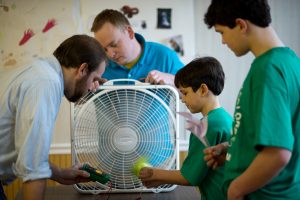
Past open houses have been thrilling gatherings brimming with discovery, creativity, and a fantastic sense of community spirit! Guests have enjoyed exploring our vibrant space, connecting with Extension staff and interns, and learning about the amazing opportunities that 4-H has to offer. Our hands-on activity stations have sparked curiosity and engagement for everyone, making it a truly inclusive experience!
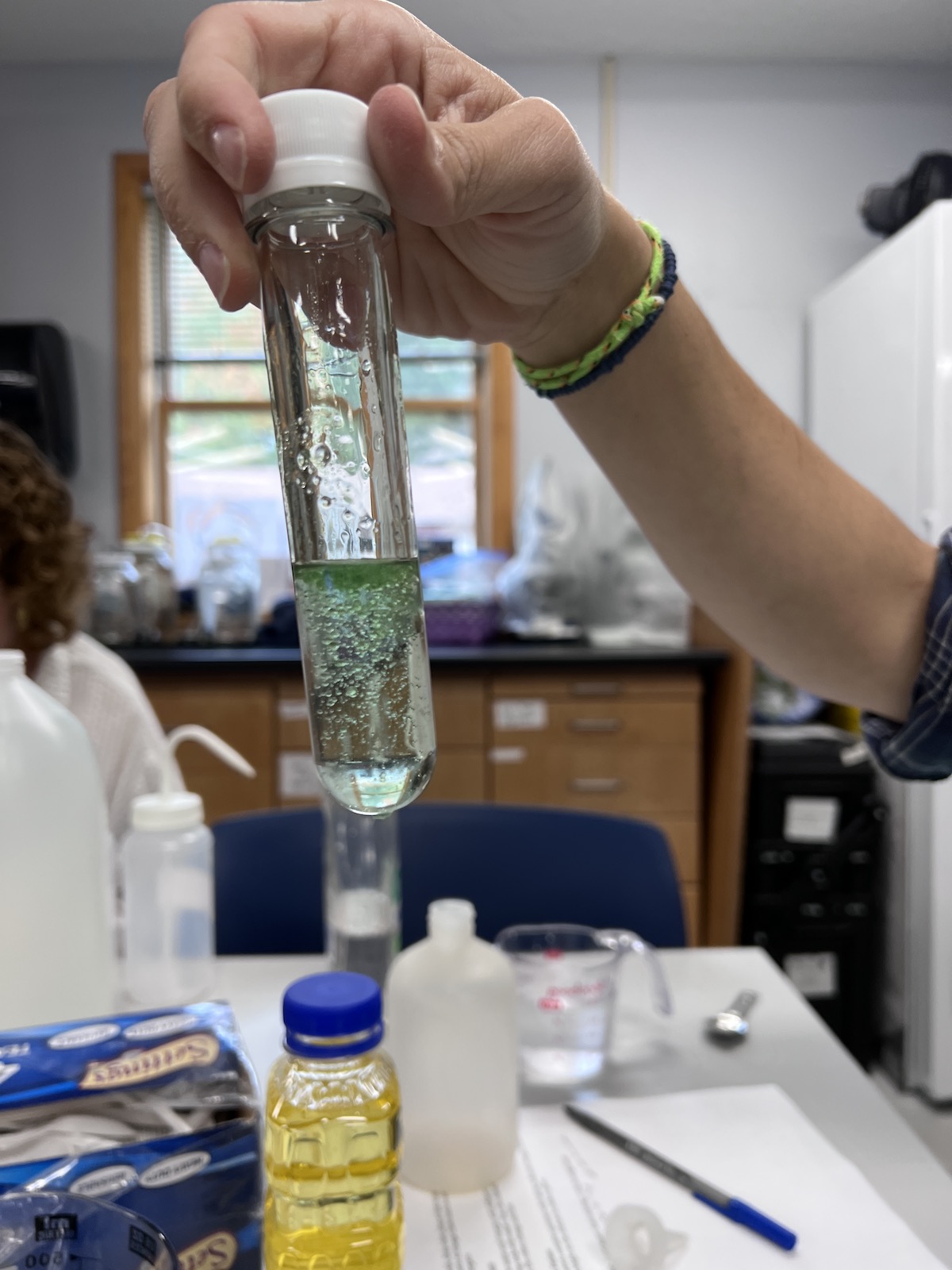
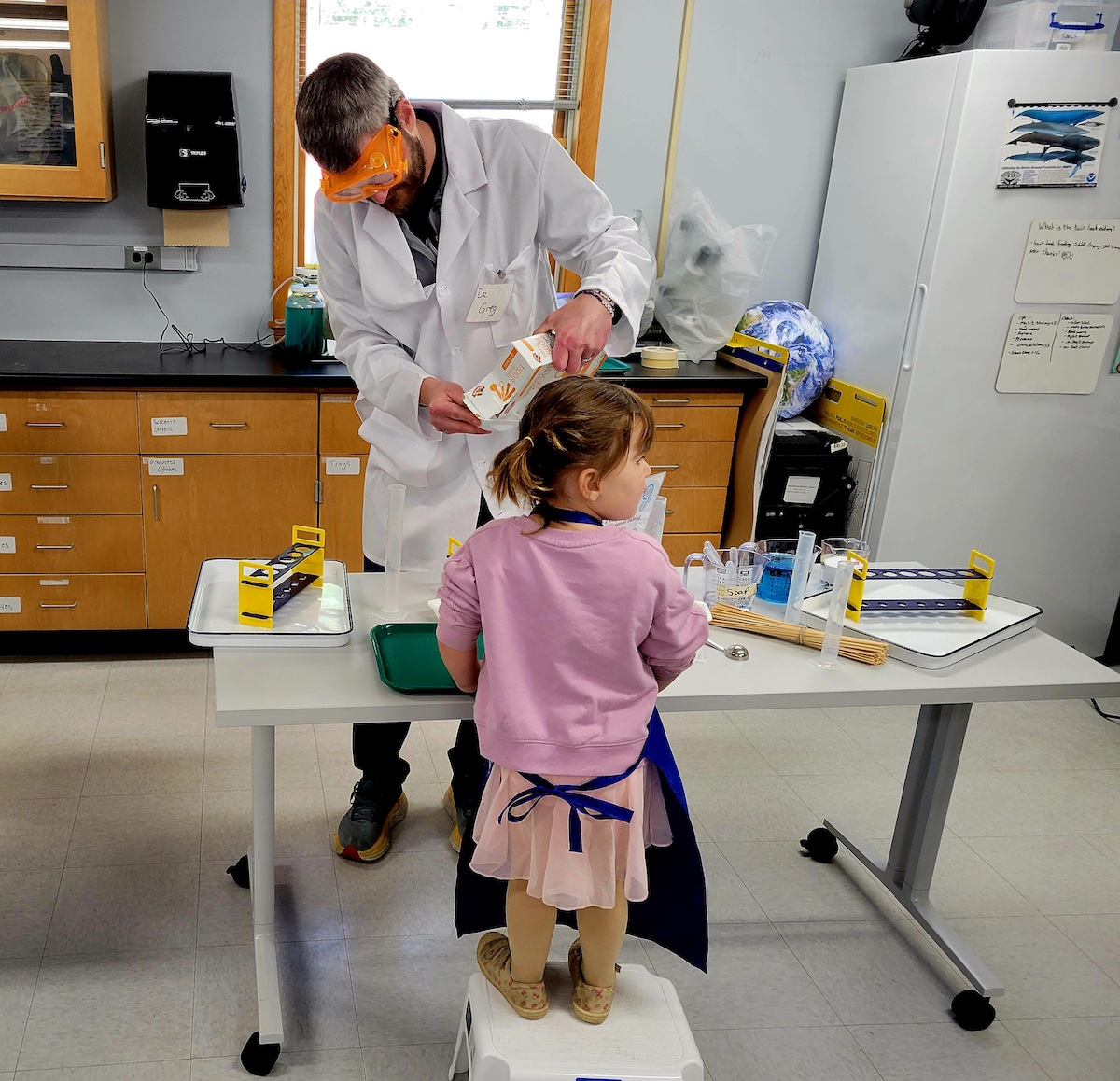
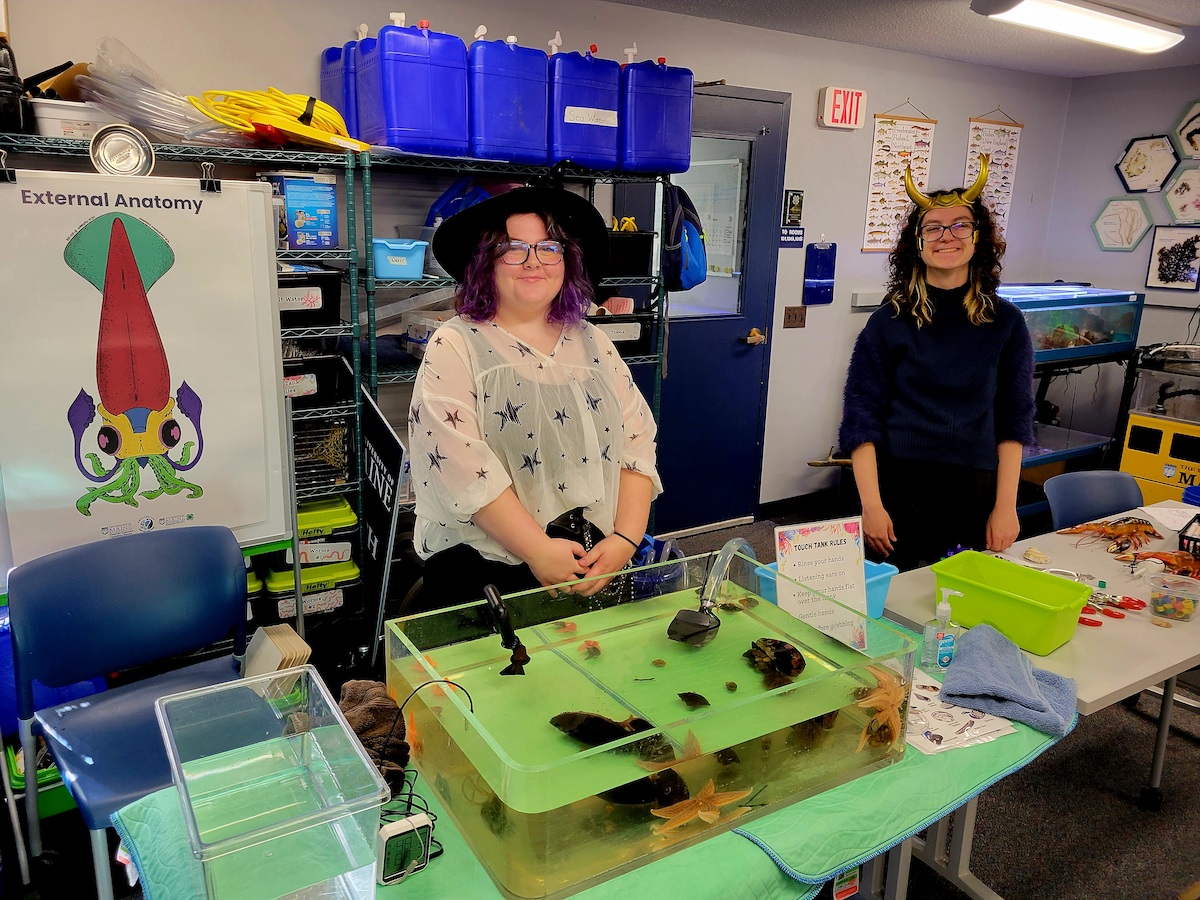
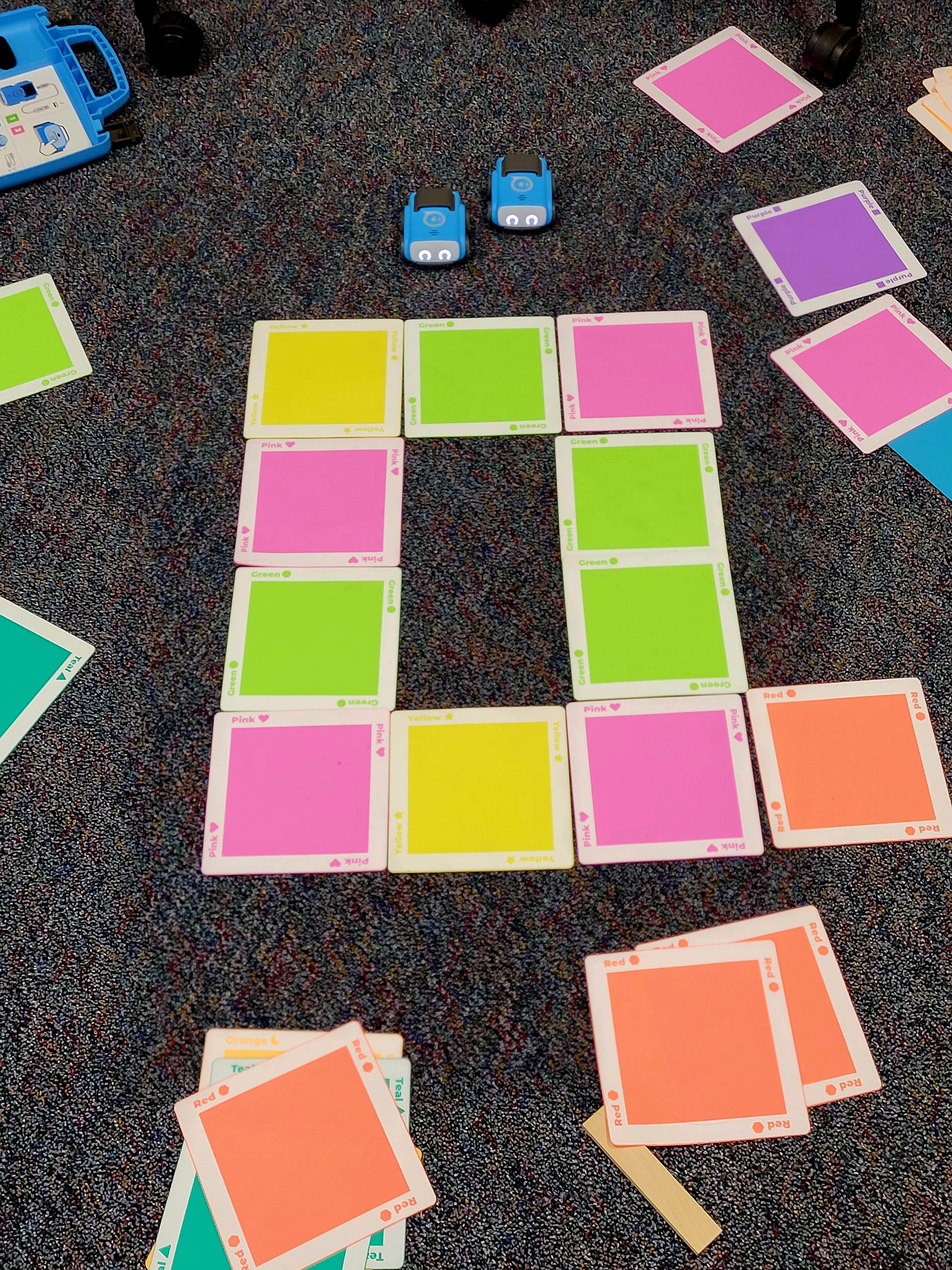
We’re excited to present a diverse range of STEAM activities—like conducting chemistry experiments as a mad scientist, programming a robotic car, planting seeds, and interacting with fascinating animals from the Gulf of Maine in our touch tank. Each open house brings fresh, exciting activities for you to dive into!
Our bi-annual open houses offer a wonderful chance to delve deeper into the various 4-H Toolkits we provide and to discover how you can get involved locally in 4-H, whether you’re in Orono or anywhere across the state. We can’t wait to see you there and share in this inspiring journey together!
-

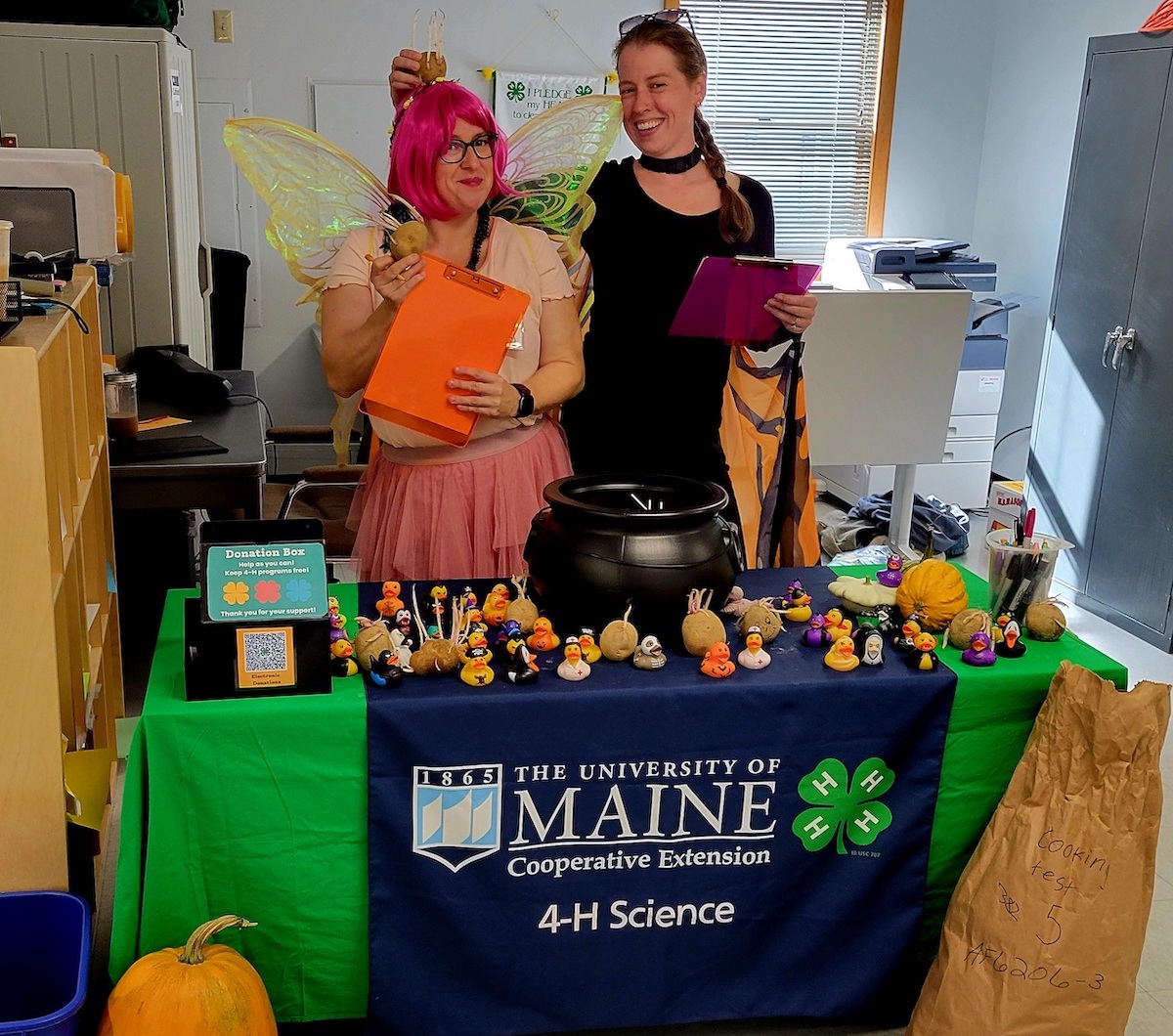
- You never know who will greet you when you arrive!
-
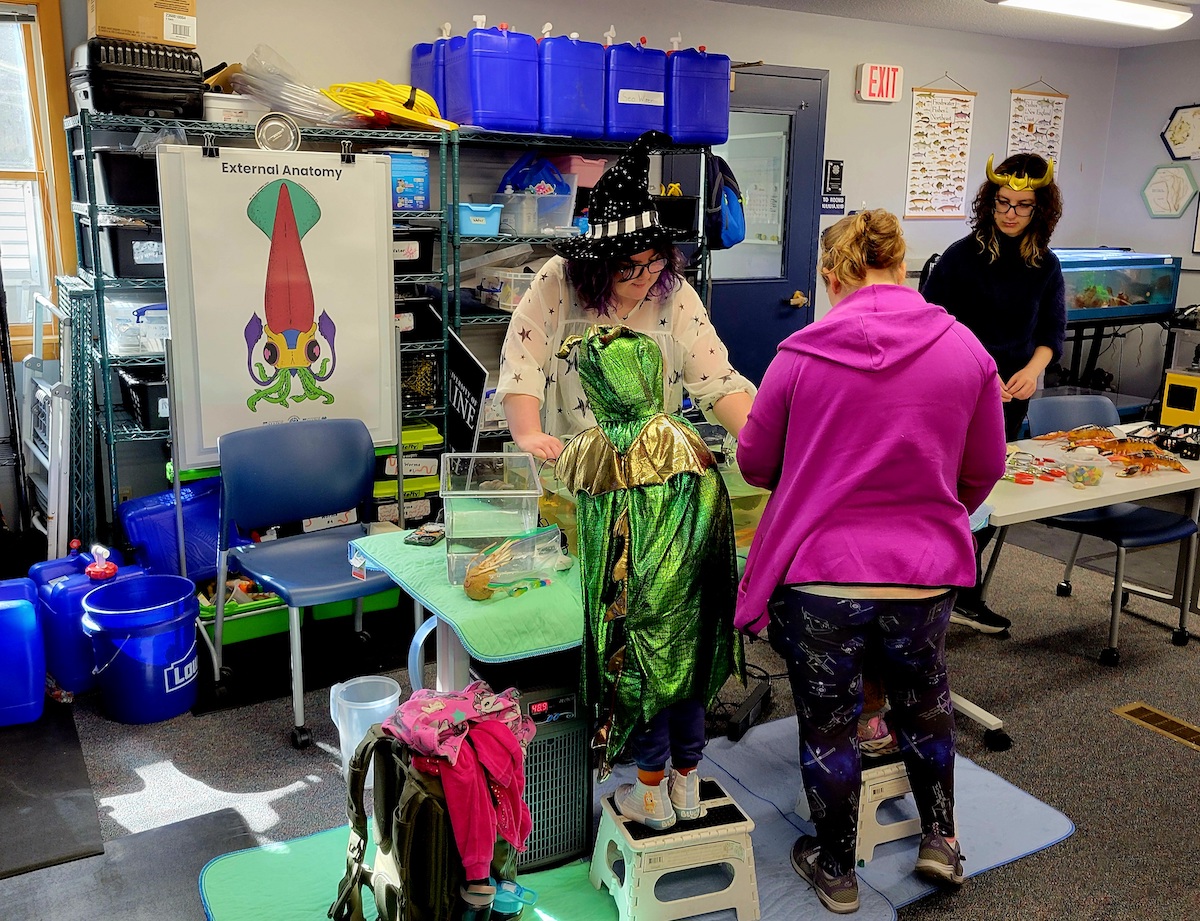
- Interns working with youth at the touch tank.
-

- Chemistry abounds!
-

- No matter your age, we can all be scientists.
-

- The touch tank ready for visitors!
-

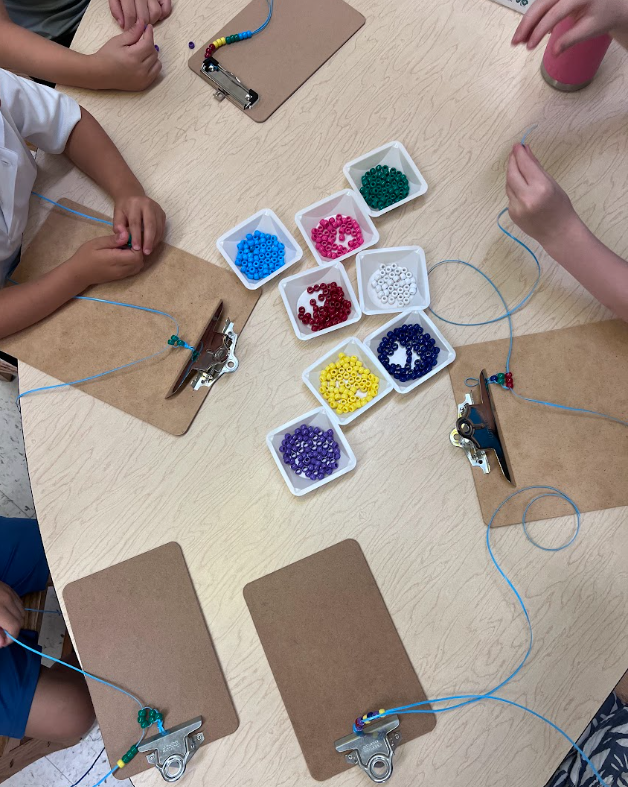
- A group starting on pony bead activities.
-

- It’s time for an experiment.

-

- Sometimes picking out the color for your Seaweed Squishee is the hardest part.

-

- Is there anything you can’t make with pony beads?

-

- Staff and interns show off the Sea Bus – our traveling touch tank.

-

- It feels good to get your hands dirty planting seeds.

-
- Each of these colored cards tells the robotic cars which way to go.
Organism Dissection
Grade: K – 12
Dissections are unique experiences that provide a deeper understanding of the natural world through hands-on exploration. Students will learn why the species is important to the ecosystem, and learn about unique external and internal anatomy and how it compares to us.
Organisms to choose from: Squid, worm, fish, grasshopper, flower, owl pellet, but also open to other suggestions!



Maine Wildlife

Grade: K – 12
This program introduces students to Maine wildlife through the exploration of pelts, skulls, scat, and tracks. Students will get a chance to test out their investigation skills as they try to identify different animals found in the woods. Additional activities include determining diet of animals through teeth comparisons and making animal tracks using life size molds.
What is a Fish Biologist?
 Grade: K – 12
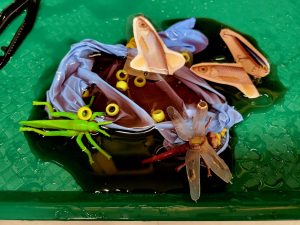
In this program, students will learn what a fishery scientist does (spoiler alert: they do not just study fish!) and the number of job opportunities available globally. They then get placed in the role of a fishery biologist where they have to identify fish from a newly discovered Maine lake. Students will conduct a stomach content analysis (spoiler alert: artificial stomach with slime and plastic representations) to determine where in the food web their fish is and how it interacts with other organisms in the lake.
The University of Maine Touch Tank Project
Grade: K – 12
The University of Maine Touch Tank Program brings Maine’s marine life to communities through hands-on learning. Developed with UMaine’s 4-H and marine research programs (4-H Youth Development Program, Center for Cooperative Aquaculture Research (CCAR), Aquaculture Research Institute, and the School of Marine Sciences), it lets participants explore native species and discover the importance of coastal ecosystems and sustainable aquaculture.
For more information, visit the UMaine Extension in Hancock County website.


The Importance of Seaweed
Grade: K – 12
Did you know that seaweed is used in a lot of the products we use every day? It helped create the oxygen in our atmosphere AND absorbs carbon emissions created from human activity. In this program, students will get a chance to investigate seaweed found in the Gulf of Maine, learn why it is important to the ecosystem (and world), and get a chance to make Seaweed Squishies (i.e. alginate critters) to take home!


4-H Aquaponics Project

Grade: K – 12
The 4-H Aquaponics Project, in partnership with UMaine Center for Cooperative Aquaculture Research (CCAR) and the UMaine Aquaculture Research Institute, introduces K–12 youth to sustainable aquaponics. Participants explore plant and fish care while developing STEM and problem-solving skills. The program is free for Maine educators in classroom and community settings.
For more information, visit the UMaine Extension in Hancock County website.
4-H Virtual Learning Hub
Grade: K – 12
Maine 4-H Virtual Learning offers interactive online workshops for ages 5–18 on topics like science, agriculture, and leadership. Through hands-on activities and mentorship, youth can explore new interests and discover 4-H from anywhere.
For more information, visit Maine 4-H Virtual Learning Hub.