Inclusive Education PreK-12

Center for Community Inclusion and Disability Studies

icon button for home page - representing "All Learners"

Maine is committed to increasing capacity for inclusive education and supporting all school personnel (e.g., special and general educators, educational technicians, instructional specialists, and administrators) to better provide inclusive supports to PreK-12 learners. Together we can work to ensure all learners with disabilities have full and meaningful access to general educational peers, curriculum and classrooms.

This micro-credential provides practicing PreK-12 educators and support staff, pre-service educators and interested community members with the foundational knowledge and skills necessary to help create and sustain more inclusive schools.
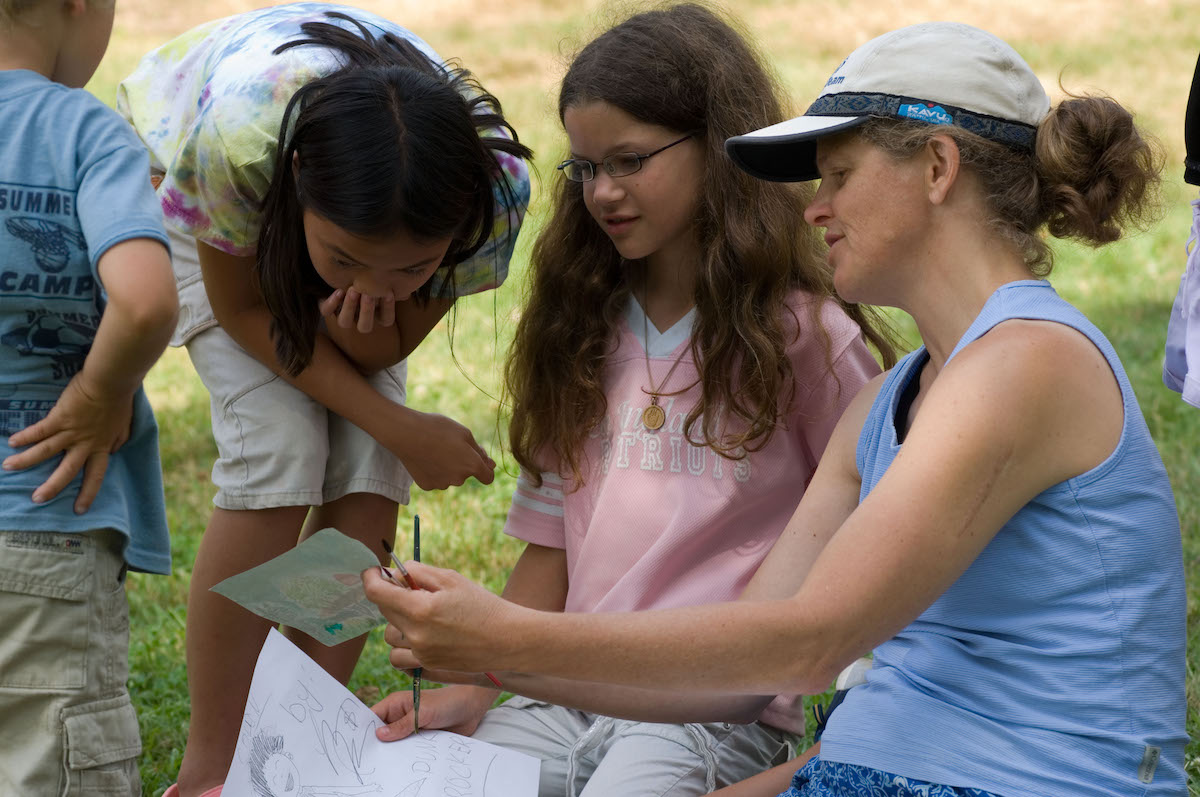
participants observing illustrations at Blueberry Cove 4-H day camp

Cost: $50

The Micro-Credential: Inclusive Education PreK-12 provides practicing PreK-12 educators and support staff, pre-service educators and interested community members with the foundational knowledge and skills necessary to help create and sustain more inclusive schools.

The micro-credential is divided into three separate badges, which are completed sequentially:

  • Level 1 (Foundational Knowledge)
  • Level 2 (Training and Practice)
  • Level 3 (Application and Feedback)

Upon completion of this micro-credential the learner will have knowledge of:

  • the U.S. laws that govern special education and the legal preference for the inclusion of students with disabilities
  • the educational research evidencing positive outcomes of inclusion
  • the historical timeline of special and inclusive education, including the importance of family advocacy and the ethics of inclusion
  • the foundational instructional practices and collaboration necessary to implement inclusive special education
  • an effective Individualized Education Program (IEP) that addresses inclusive and age-appropriate annual goals for students with disabilities
  • basic universal design for learning (UDL) principles
  • a framework for creating adaptations for students with disabilities
  • classroom wide and student specific positive supports for students with challenging behavior using case study examples
  • collaborative models and practices between school professionals and school-family relationships to support inclusive education

The learner will also participate in a one-day Inclusive Education Institute led by UMS faculty experts in inclusive education in which they will work in small groups and independently to:

  • write a vision for inclusion in their unique classroom/school setting
  • craft an inclusive lesson using a UDL framework that embeds student specific adaptations
  • apply classroom and student classroom wide and student specific strategies for providing inclusive and positive supports for students with challenging behavior
  • discuss strategies and identify resources to increase collaboration with current and/or future colleagues, students and families
  • reflect on learning and create an action plan for continued learning

Level 1:

Council for Exceptional Children Professional Standards:

  • Standard 1:  Learner Development and Individual Learning Differences 
  • Standard 2: Learning Environments 
  • Standard 6: Professional Learning and Ethical Practice 

Maine Common Core Teaching Standards:

  • Standard 1:  Learner Development 
  • Standard 3: Learning Environments 
  • Standard 8: Instructional Strategies  

Level 2:

National Standards
Council for Exceptional Children Professional Standards :

  • Standard 1:  Learner Development and Individual Learning Differences
  • Standard 2: Learning Environments Beginning 
  • Standard 6: Professional Learning and Ethical Practice 

Division for Early Childhood of the CEC Council for Exceptional Children Professional Standards: 

  • Standard 3: Collaboration and Teaming Candidates apply models, skills, and processes of teaming when collaborating and communicating with families and professionals, using culturally and linguistically responsive and affirming practices. 

Maine State Standards:
Maine Common Core Teaching Standards

  • Standard 1: Learner Development 
  • Standard 2: Learning Differences 
  • Standard 3: Learning Environments 
  • Standard 8: Instructional Strategies
  • Standard 10: Collaboration

Level 3:

Council for Exceptional Children (CEC) Standards
Maine Common Core Teaching Standards
Division for Early Childhood (DEC) Standards:

  • Standard 5: Application of Curriculum Frameworks in the Planning of Meaningful Learning Experience  
  • Standard 6: Using Responsive and Reciprocal Interactions, Interventions, and Instruction 

In complying with the letter and spirit of applicable laws and pursuing its own goals of diversity, the University of Maine System does not discriminate on the grounds of race, color, religion, sex, sexual orientation, transgender status, gender, gender identity or expression, ethnicity, national origin, citizenship status, familial status, ancestry, age, disability physical or mental, genetic information, or veterans or military status in employment, education, and all other programs and activities. The University provides reasonable accommodations to qualified individuals with disabilities upon request. The following person has been designated to handle inquiries regarding non-discrimination policies: Director of Institutional Equity and Title IX Services, 5713 Chadbourne Hall, Room 412, University of Maine, Orono, ME 04469-5713, 207.581.1226, TTY 711 (Maine Relay System).

Boost your skills and stand out with a Inclusive Education PreK-12 micro-credential!

graphic representing email for contact us button

Do you have questions about UMaine Extension’s micro-credential programs?

UMaine Extension is part of the University of Maine System Micro-Credential Initiative