
UMaine Extension
2024 Annual Report
Statewide impact, local connections
With a presence in each of Maine’s sixteen counties, Extension connects people to science-based information to improve their lives, their homes, their businesses and their communities. Our staff develop practical tools and resources founded on university research and focused on issues and needs identified by Maine’s communities and industries. Here are just a few statewide highlights.
In 2024, our integrated pest management (IPM) program saved the state’s potato industry more than $6 million in losses avoided, yield increases and decreased pesticide use.
The innovative Building Ag Literacy through Immersive Culinary Arts Experience project reached 650 students and 26 instructors in Maine’s CTE culinary arts programs. The effort enhanced agricultural literacy and promoted the use of Maine-grown foods to support the local economy.
Our tick lab received nearly 5,000 samples for identification and testing, and our 4-H Tick Project engaged more than 560 youth in 13 counties in tick education.
Speaking of 4-H, with help from more than 620 volunteers, our 4-H camp, club and learning programs reached more than 15,000 Maine youth.
UMaine Extension is determined to make a positive difference for the people of Maine. Visit a county office, contact any member of our enthusiastic workforce, or explore our website at extension.umaine.edu to learn more.
Hannah

Dean Hannah Carter
University of Maine Cooperative Extension
Cultivating Connections:
Empowering Culinary Arts Teachers with Agricultural Literacy
In a state where farming, food, and community are deeply intertwined, the University of Maine Cooperative Extension is cultivating culinary professionals who understand and value the local food system. Through a multi-year initiative funded by the USDA National Institute of Food and Agriculture (NIFA), UMaine Extension is reshaping how Maine’s Career and Technical Education (CTE) Culinary Arts programs connect agriculture—from farm fields to kitchen plates.
Launched in 2021 with a $300,000 NIFA Agriculture and Food Research Initiative (AFRI) grant, the Building Agricultural Literacy Through Immersive Culinary Arts Experiences project bridges culinary education with Maine’s agricultural economy. Led by Extension professor Kathy Savoie, food science innovation coordinator Rob Dumas, and Maine Agriculture in the Classroom’s Willie Grenier, the initiative emphasizes experiential education that integrates agricultural literacy into culinary classrooms statewide.
“We’re helping students and instructors not only learn where their food comes from—but how they can become leaders in strengthening Maine’s food economy,” says Savoie.
From Classroom to Kitchen to Farm
The heart of the project is the Culinary Arts Summer Institute (CASI)—a four-day professional development event where culinary instructors connect directly with Maine farmers, producers, and food system experts. Sessions cover seasonal menu planning, local sourcing, and the environmental impact of food choices, all with a Maine-focused lens. Other hands-on components include:
- Curriculum integration through in-class visits, guest demonstrations, and agriculture-infused lessons.
- Mini-grants totaling $40,000 for activities like aquaculture farm tours, butcher shop visits, and food hub experiences.
- An Innovative Local Food Competition at the UMaine Food Pilot Plant, where students create original dishes with local ingredients.
“We began with a landscape analysis to understand baseline knowledge,” said project coordinator Theresa Tilton. “From there, we built experiences that brought agriculture into the kitchen in a tangible, inspiring way.”
A Recipe for Impact
By 2024, the program had reached over 80% of Maine’s CTE Culinary Arts programs, impacting 650 students and 26 instructors.
Results include:
- 95% increased knowledge of Maine foods and the local economy.
- 90% improved proficiency across all five National Agricultural Literacy Outcome benchmarks.
- 88% of students said they would choose to eat the featured Maine-grown foods again.
“These numbers represent a growing movement—future chefs and community leaders better equipped to support local agriculture,” Savoie said.
Boosting Maine’s Food Economy
Maine’s culinary sector contributes $3.3 billion annually and supports over 50,000 jobs. Even a 10% consumer shift toward Maine-grown foods could generate nearly $595 million in economic impact. The project’s success stems from a collaborative, educator-first approach, offering targeted workshops, coaching, and funding based on direct feedback.
“We’re investing in education that’s relevant, community-connected, and essential to the future of Maine,” said Jason Bolton, UMaine Extension associate dean.
A Lasting Legacy
As the initiative concludes, its influence continues. Classrooms are becoming innovation labs, students cook with greater intention, and teachers weave sustainability, seasonality, and community into their curricula.
“This work is about more than teaching where food comes from,” Savoie said. “It’s about creating a culture of awareness, respect, and innovation around Maine agriculture.”
Through this project, Extension is sowing seeds of knowledge to nourish Maine’s communities for generations.
Building Healthy Communities
UMaine Extension’s family and community programs strengthen Maine’s wellness, safety, and connection. Through education and partnerships, they empower individuals and families to make informed choices about food, health, and relationships—building resilience and thriving communities statewide.

Maine Families Partnership Promotes Child and Family Well-being

Strengthening Maine’s Ag Community with Wellness and Conflict Resolution

ServSafe Certified Food Protection Manager Course and Exam
Healthy Communities by the Numbers




4-H NorthStar expands
Lorem ipsum dolor sit amet, consectetur adipiscing elit, sed do eiusmod tempor incididunt ut labore et dolore magna aliqua. Ut enim ad minim veniam, quis nostrud exercitation ullamco laboris nisi ut aliquip ex ea commodo consequat. Duis aute irure dolor in reprehenderit in voluptate velit esse cillum dolore eu fugiat nulla pariatur. Excepteur sint occaecat cupidatat non proident, sunt in culpa qui officia deserunt mollit anim id est laborum.
Pathways to UMaine

Increasing Healthy Behaviors in Youth through EFNEP

4-H Learning Centers Connect Youth to the Outdoors

4-H Ocean Xplorers Exposing Youth to Ocean Sciences Career Pathways


Engaging Youth in Positive Development


How Maine’s IPM Programs Are Advancing Agriculture
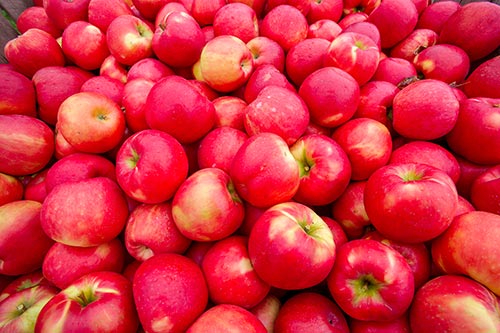
Across Maine’s diverse agricultural landscape—from apple orchards and potato acreage to blueberry barrens and sweet corn fields—farmers are embracing a smarter approach to pest control. Supported by researchers from Extension and UMaine Experiment Stations, Integrated Pest Management (IPM) is delivering measurable results: reduced pesticide use, increased yields, cost savings and stronger environmental stewardship.
IPM is a science-based, decision-making process that focuses on accurate pest identification and regular monitoring to determine the least-risk control methods. It integrates cultural, biological, mechanical and, when necessary, chemical tools to minimize pest damage while protecting people, pollinators and ecosystems.
As Maine’s top crop, potatoes benefited from targeted pest monitoring and early intervention.
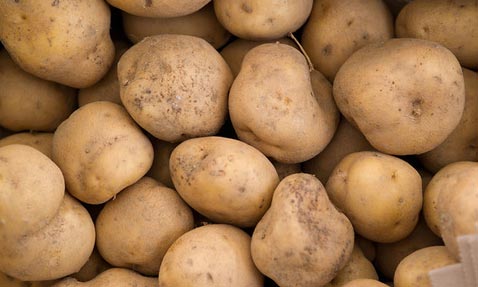
IPM supports 480 growers on 44,000 acres through pollinator enhancement, weed and insect control, and disease modeling.

IPM helped hundreds of growers use real-time weather data and pest models to improve timing and reduce sprays.
Through scouting and weekly pest alerts, growers significantly reduced insecticide use while improving crop quality.

Weekly field scouting and disease modeling allowed more precise, lower-risk pest control.

The Road Ahead
IPM is more than a pest management approach. It’s a roadmap for sustainable agriculture. With the expertise of Extension and the innovation of Maine farmers, the state is leading the way in building a more resilient, efficient and environmentally responsible food system.
Impact on Agriculture

Small Ruminants: Skills that move Maine farms forward

Master Gardener Volunteers and Home Horticulture
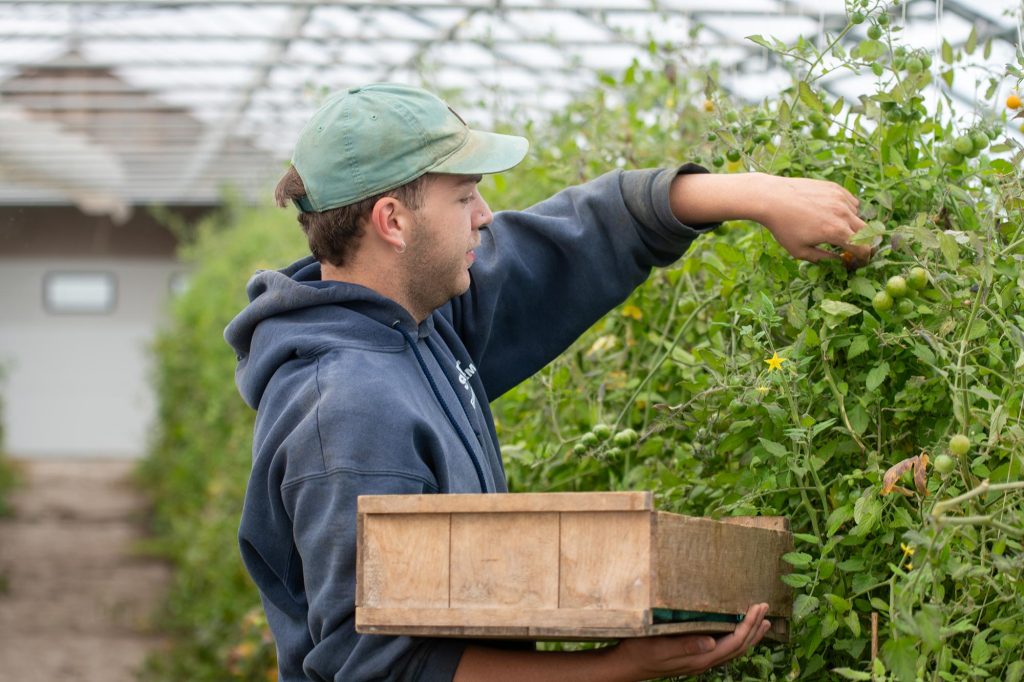
Maine Horticulture Apprentice Training


Strengthening Maine’s Food Systems



UMFY2024

Engaging Mainers Through Digital Connection

University of Maine Cooperative Extension’s website at extension.umaine.edu – a combination of 54 interconnected websites consisting of over 12,100 pages and posts – received over 3.6 million pageviews from visitors in the 12 months between January 1, 2024, and December 31, 2024. Visitors searched for and found information on a wide variety of topics, including planting in Maine, small business management, harvest and storage of tree fruits, and tractor safety. Image galleries helped users identify pests, plant diseases, and weeds. A wide variety of interactive web forms allowed users to request assistance, presentations, newsletters, and updates; report volunteer hours; make donations; and respond to surveys. Over 45,500 web visits were referred from social media.
This year, UMaine Extension’s digital presence saw steady growth across its 63 county and program-specific social media accounts, including platforms like Facebook, Twitter, Pinterest, Instagram, and TikTok. Our online community grew to nearly 61,000 followers, a 5.92% increase over the previous year. Social posts reached over 1.1 million organic users across all platforms, with an additional 17,983 reach through ads and promotions. This achievement underscores our ability to connect with a wider audience and spark meaningful interactions online. Several topics resonated particularly well with our audience:
- Staff Recognition: Celebrating our dedicated staff received warm support, with engagement spikes seen in likes and comments.
- Food Recipes: Seasonal recipes captured the community’s interest, especially around holidays, contributing to the popularity of our educational and practical content.
- Workshop Promotion: Posts advertising our variety of workshops consistently attracted strong interest, with many followers registering for events through our social media links. These promotions effectively highlighted our commitment to education and professional development, drawing in both new and returning participants.
- Educational Content remained popular, seasonal tips, “how-to” guides, and our bulletins attracted strong engagement. This content effectively positioned us as a go-to resource for agriculture, food and nutrition, and home gardening trends.
Over 755 videos were available to visitors on the Cooperative Extension playlist; many additional videos were also embedded in our web pages. Extension’s YouTube videos were the most watched on the University of Maine Channel, making up more than half of the university’s 1.41 million views and 49,000+ hours of watch time. Top videos included Tick Removal, How to Prune a Blueberry Bush, Lobster Cooking and Eating, How Do I Prune Raspberries, and How to Prune a Lilac Bush. In May, Extension launched a new podcast called the Maine Farmcast totaling 34 episodes with nearly 2,000 downloads.
University of Maine Cooperative Extension’s catalog offers over 650 research-based publications on a broad range of topics that are available for free download at extension.umaine.edu/publications. In 2024 UMaine Cooperative Extension published and updated 35 peer-reviewed bulletins.
Popular fact sheets, such as How to Tap Maple Trees, Best Ways to Wash Fruits and Vegetables, Selecting, Cutting and Handling Potato Seed, Safe Homemade Flavored and Infused Oils, Turkey Brooding and Management: Giving Poults a Good Start, and Growing Raspberries and Blackberries received tens of thousands of pageviews each.
Some of the new publications in 2024 included Bulletin #4284, Best Practices for Processing Quality Finfish, Maine Forage Facts, a series of 10 bulletins, Bulletin #1091, Cleaning and Disinfecting Potato Storage and Equipment, Bulletin #1162, 2023 Maine Agricultural Operations Labor and Compensation Practices, Bulletin #1079, Maine Dairy Calf Chronicles: Colostrum Quality and Management. This bulletin was also published in Spanish.
Courses, Newsletters and Events
How The Maine Farmcast Is Changing Livestock Education
When The Maine Farmcast launched on May 8, 2024, creators Colt W. Knight and Glenda Pereira had a clear mission: deliver practical, research-based livestock education in a way that fits the real lives of farmers. What began as a bold idea quickly turned into a global success. Now with over 70 episodes and 5,297 downloads across 37 countries, The Maine Farmcast is reshaping how agricultural education is delivered.
Before the pandemic, UMaine Extension’s livestock education was rooted in hands-on events—pasture walks, workshops, and farm visits. But COVID-19 halted in-person outreach and pushed educators like Knight, Extension State Livestock Specialist and Pereira, Extension State Dairy Specialist, to rethink their approach.
“Zoom webinars initially had huge attendance,” says Knight. “But over time, people got tired. They needed something flexible.” That realization led to a new strategy: build a multimedia ecosystem that included HD videos, short-form content, social media—and a podcast tailored to farmers’ schedules.
Why the Podcast Works
The Maine Farmcast stands out for its down-to-earth, science-informed discussions that listeners can tune into anytime—while feeding livestock, driving tractors, or doing chores.
“Some producers listen while mucking stalls or making deliveries,” Pereira explains. That flexibility is crucial in an industry where work rarely fits a 9-to-5 schedule.
Popular episodes like “Swine Genetics with Randy Shipley” and “Oink if You’re Ready to Get Started Raising Pigs!” blend technical insight with relatable storytelling, making complex topics more approachable. On average, each episode garners over 75 downloads, with a reach that extends well beyond Maine.
The Farmcast is just one piece of a broader educational movement at Extension. Since 2022, Knight and the livestock team have:
- Held 45 in-person workshops and 6 webinars
- Produced 22 educational videos
- Published 6 peer-reviewed articles
- Built a strong social media presence
- Appeared on 5 other podcasts
The impact is clear: workshop attendance grew from 95 in 2022 to over 1,000 in 2024. Videos have been viewed more than 4,400 times. And Facebook content continues to gain traction with thousands of views.
The team’s work is drawing attention. Knight recalls walking into a rural feed store where the owner recognized him from a pig video. “That kind of connection is priceless,” he says.
Real Results for Real Farmers
A recent survey of 108 livestock producers participating in Extension programs revealed the power of making research-based education accessible, flexible, and relevant:
- 75% felt more confident in livestock management
- 63% planned to adopt practices that improve animal health
- 56% aimed to increase productivity
- 31% gained access to new markets
- 92% planned to implement new practices based on what they learned
Looking Ahead
The Maine Farmcast continues to grow—episode by episode, download by download. For Knight and Pereira, the reward isn’t the stats, but the stories from farmers who say the content made a difference.
“That’s the goal,” Knight says. “When someone tells us, ‘Hey, that helped me’—that’s what makes it worth it.”
Preparing Tomorrow’s Workforce
Through its enhanced micro-credentialing program, Extension equips learners with essential knowledge and skills through accessible online options. Our digital credentials, developed through collaboration with employers, faculty, and professional organizations, recognize and validate learners’ achievements. Diverse learning opportunities launched in 2024 included Climate-Ready Community Engagement, Planning for Habitat Protection, Marine Touch Tank Technician, Volunteer Management, and Community Preparedness for Flooding, Sea Level Rise, and Storm Surge. Extension issued 261 badges and supported 13 individuals in completing full micro-credential pathways, fostering workforce skills and community empowerment. Extension now offers nearly 30% of the micro-credentials available across the University of Maine System, positioning itself as a leader in micro-credential development.

Ongoing initiatives include establishing targeted pathways for seamless transitions into higher education, implementing Credit for Prior Learning (CPL) assessments, and expanding collaborations with partners like the Maine Business School. Extension’s micro-credentialing efforts foster innovative learning opportunities, empower individuals, and strengthen communities. Students and workers can make competencies visible, demonstrate skills in real-world settings, receive valuable performance feedback, stand out to employers, better articulate developed skills to potential employers and be recognized. These efforts support one of UMaine’s critical goals to grow the state economy by building a workforce whose members are engaged in their communities and prepared for lifelong success.
Spotlight on our Volunteers
Dennis Willette

In the quiet of a York County garden, Dennis Willette found solace and renewal as a Master Gardener Volunteer. Battling addiction, he discovered a lifeline in nurturing plants, which led him to a newfound sense of purpose and community. Through gardening and volunteering, Willette’s journey not only transformed his life but also inspires others on their path to healing and growth.
Financials
![a gold color tab that serves as part of a legend key for a financial pie chart, represents Grants [34%] - $7,085,819](https://extension.umaine.edu/wp-content/uploads/sites/2/2025/10/grants-34-orange-pie-chart-slice-32x32.jpg)
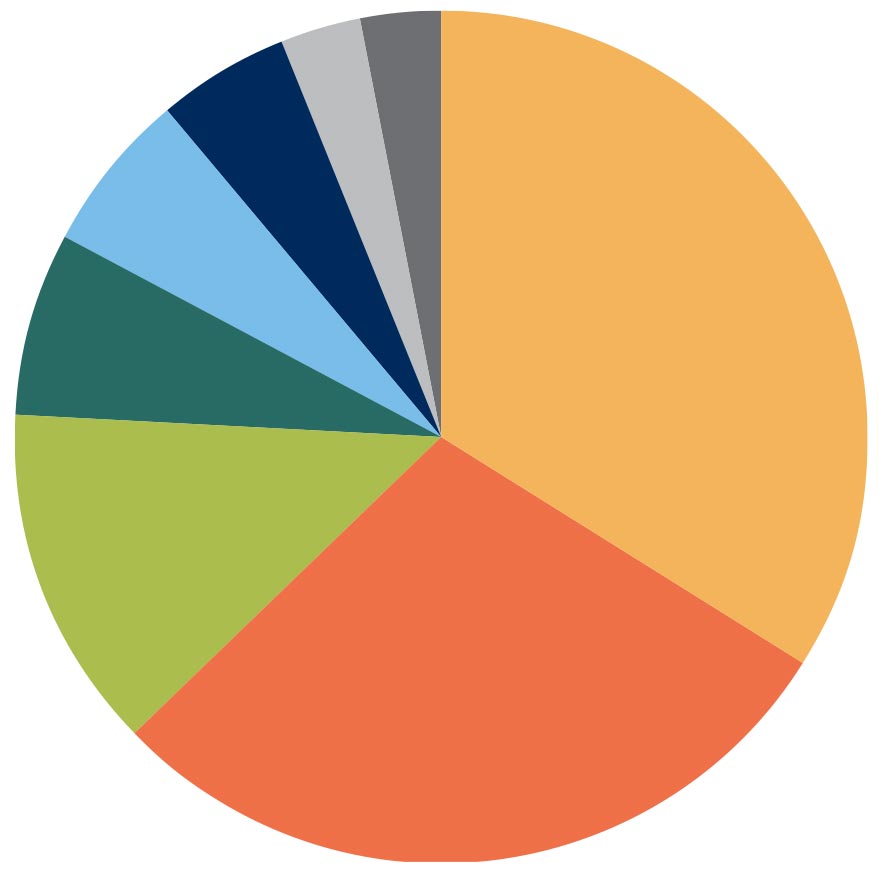
Grants [34%] – $7,085,819
![an orange color tab that serves as part of a legend key for a financial pie chart, represents UMaine [29%] - $6,043,787](https://extension.umaine.edu/wp-content/uploads/sites/2/2025/10/UMaine-29-orange-pie-chart-slice-32x32.jpg)
UMaine [29%] – $6,043,787
![a lime green color tab that serves as part of a legend key for a financial pie chart, represents Federal [13%] - $2,709,284](https://extension.umaine.edu/wp-content/uploads/sites/2/2025/10/Federal-13-lime-green-pie-chart-slice-32x32.jpg)
Federal [13%] – $2,709,284
![a dark green color tab that serves as part of a legend key for a financial pie chart, represents 4-H Camps [7%] - $1,458,845](https://extension.umaine.edu/wp-content/uploads/sites/2/2025/10/4H-Camps-7-pie-chart-slice-32x32.jpg)
4-H Camps [7%] – $1,458,845
![a light blue color tab that serves as part of a legend key for a financial pie chart, represents Programming [6%] - $1,250,439](https://extension.umaine.edu/wp-content/uploads/sites/2/2025/10/programming-5-pie-chart-slice-32x32.jpg)
Programming [6%] – $1,250,439
![a dark blue color tab that serves as part of a legend key for a financial pie chart, represents State [5%] - $1,042,032](https://extension.umaine.edu/wp-content/uploads/sites/2/2025/10/state-dark-blue-pie-chart-slice-32x32.jpg)
State [5%] – $1,042,032
![a light gray color tab that serves as part of a legend key for a financial pie chart, represents Counties [3%] - 625,219](https://extension.umaine.edu/wp-content/uploads/sites/2/2025/10/counties-3-light-gray-pie-chart-slice-32x32.jpg)
Counties [3%] – $625,219
![a dark gray color tab that serves as part of a legend key for a financial pie chart, represents Philanthropy [3%] - 625,219](https://extension.umaine.edu/wp-content/uploads/sites/2/2025/10/philanthropy-3-dark-gray-pie-chart-slice-32x32.jpg)
Philanthropy [3%] – $625,219
UMFY2024
UMFY: University of Maine Fiscal Year July 1, 2023 – June 30, 2024; FedFY: Federal Fiscal Year October 1, 2023 – September 30, 2024; CY2024: Calendar Year January 1, 2024 – December 1, 2024
Our Mission Statement
The mission of University of Maine Cooperative Extension is to help Maine people improve their lives through an educational process that uses research-based knowledge focused on issues and needs.