
Photo Gallery: Sawflies (suborder Symphyta – also includes horntails and wood wasps)
-
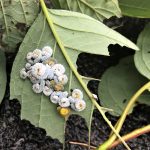
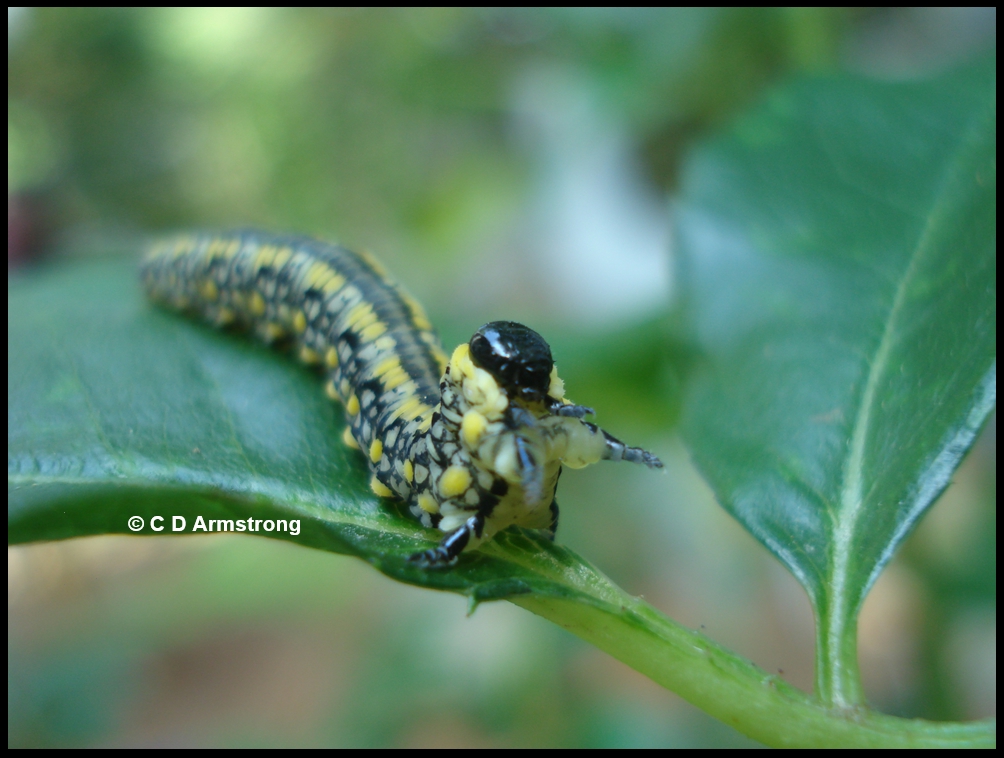
- Dogwood Sawfly Larvae on a dogwood (middle instar stage) (7/17/2020) (Photo courtesy of Susan; Monroe, ME) (compare with adjacent photos of the final two instar stages which are very different)

-
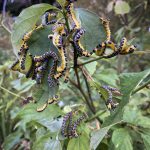
- Dogwood Sawfly Larvae (nearing the final instar stage) (Naples, ME; 8/28/2023) (Photo courtesy of M. Shepard)
-
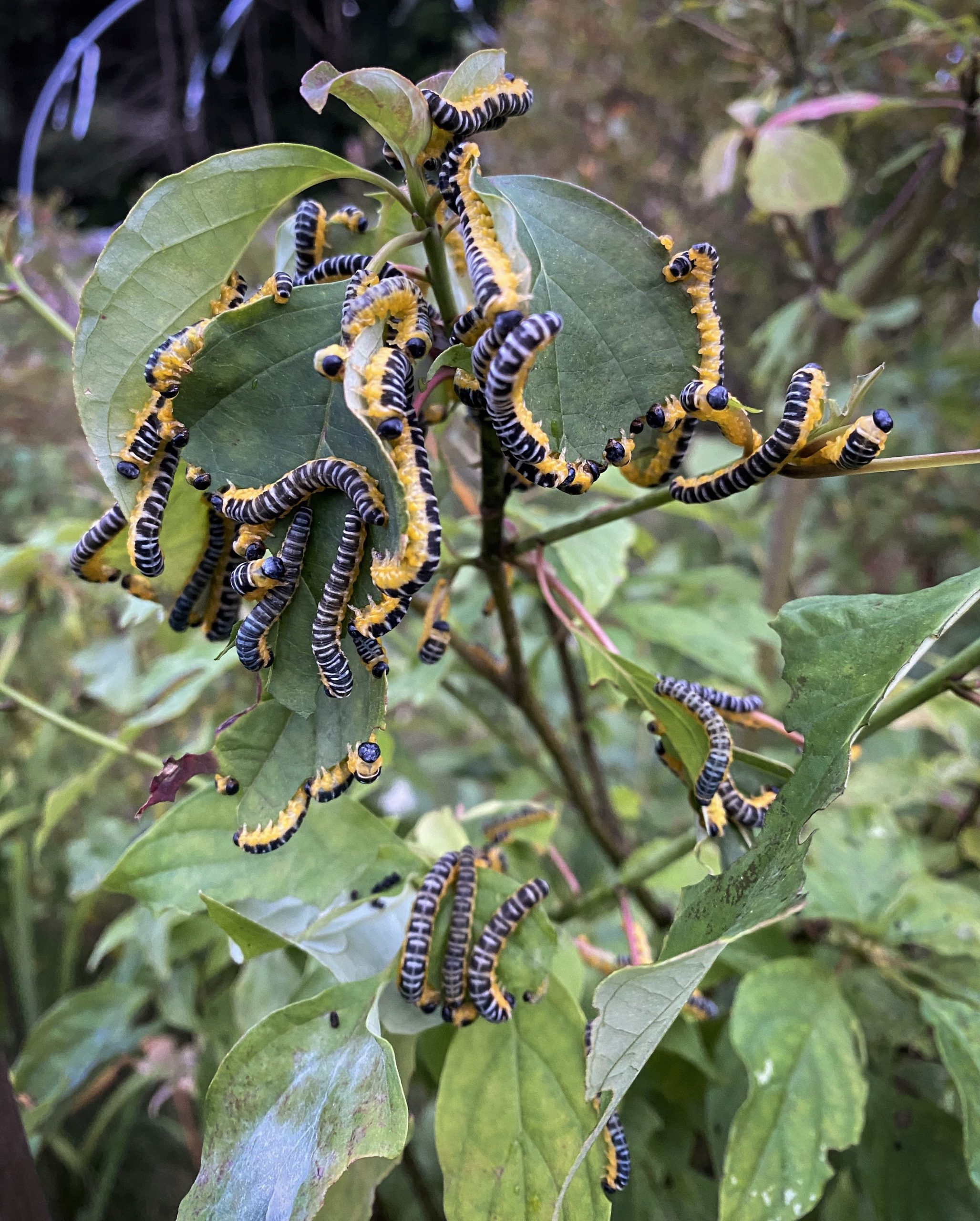
- Dogwood Sawfly larvae [Photo courtesy of Val Libby, Blue Hill (Maine) on 1 Aug. 2021]
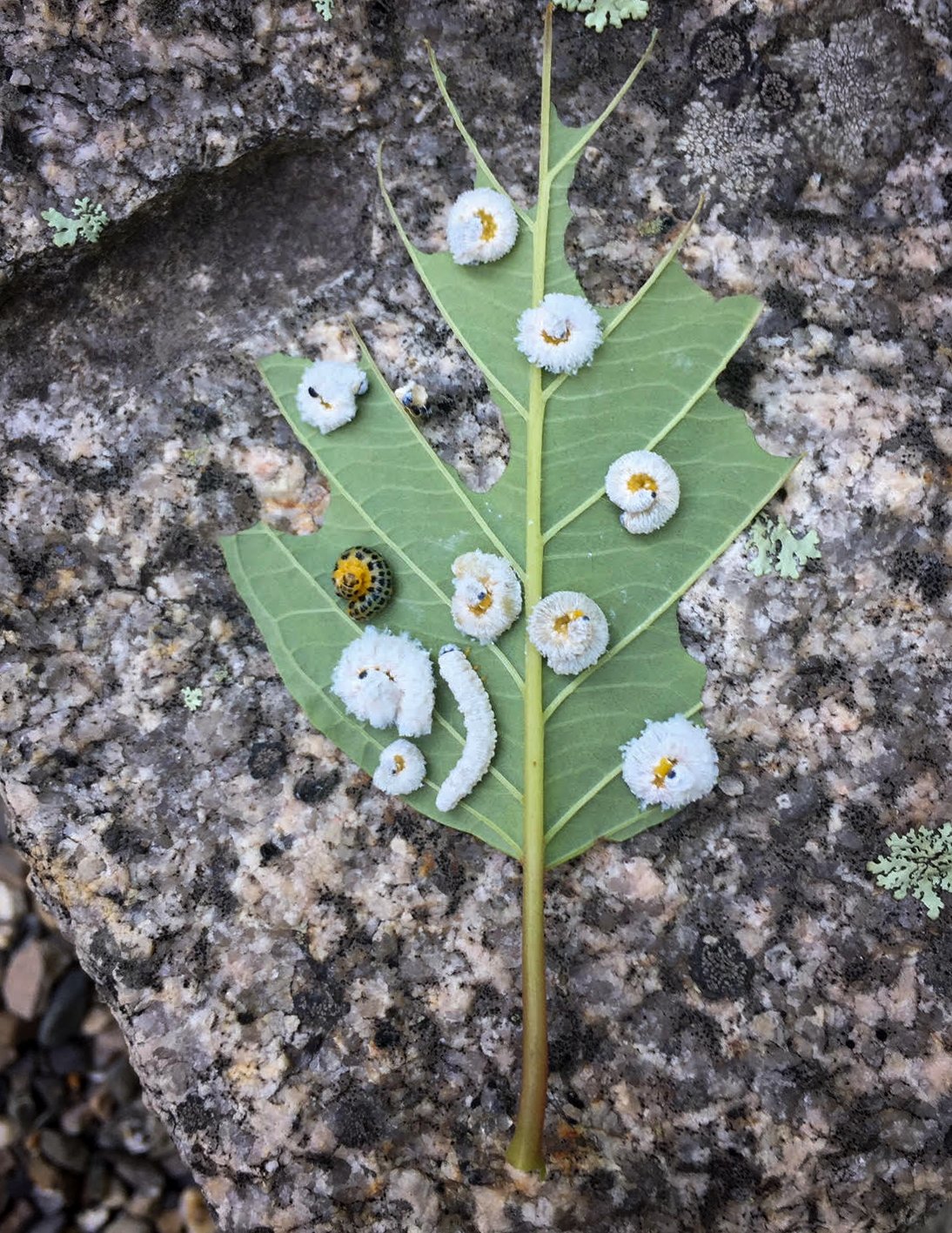
-
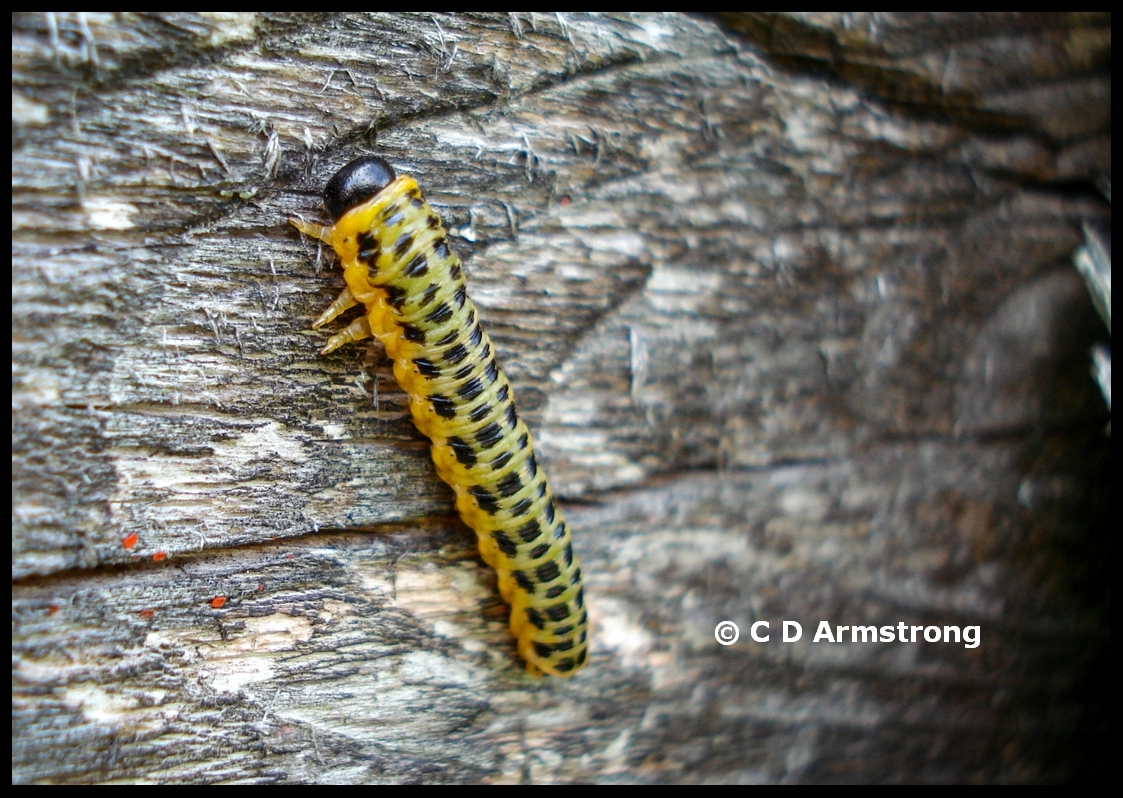
- Final larval instar of the Dogwood Sawfly (Macremphytus testaceus) (August 9th, 2009; Medway, Maine)

-
- Final larval instar of the Dogwood Sawfly (Macremphytus testaceus) (August 9th, 2009; Medway, Maine) (Similar to a White Pine Sawfly larva)
-
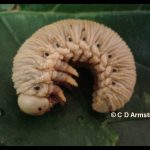
- Elm Sawfly (larval stage) (7/27/2009; Pittsfield, ME)

-
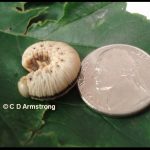
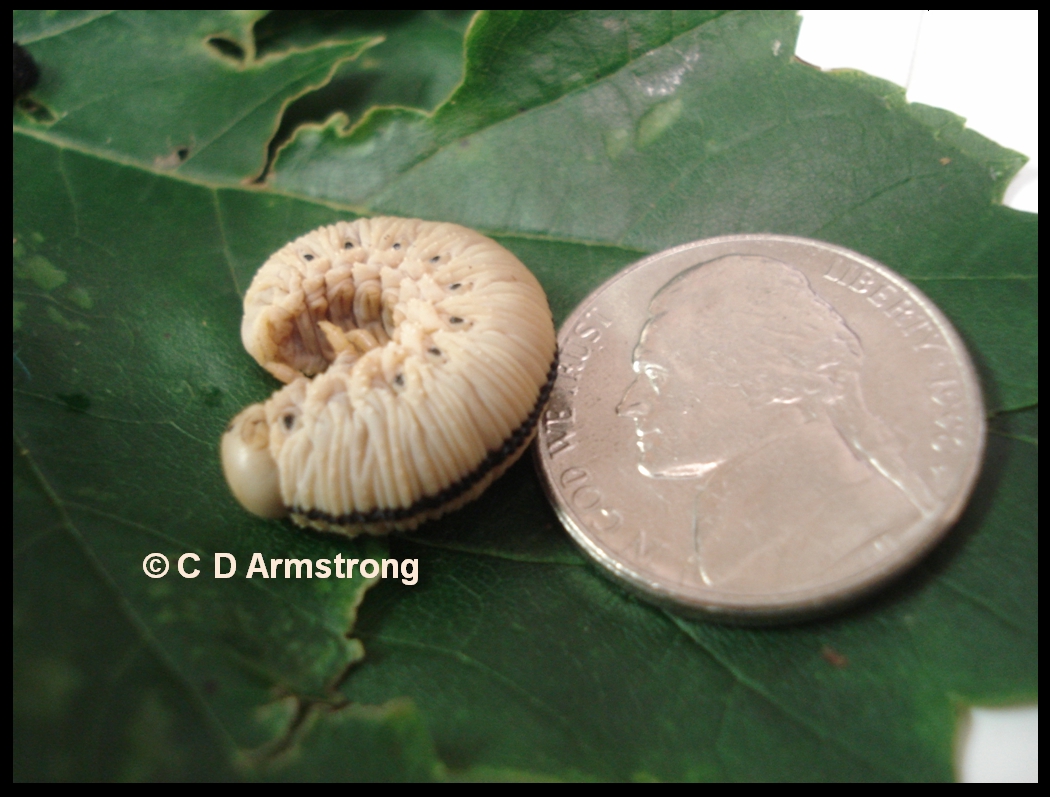
- Elm Sawfly (larval stage) (7/27/2009; Pittsfield, ME)
-
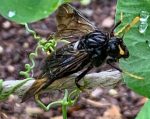
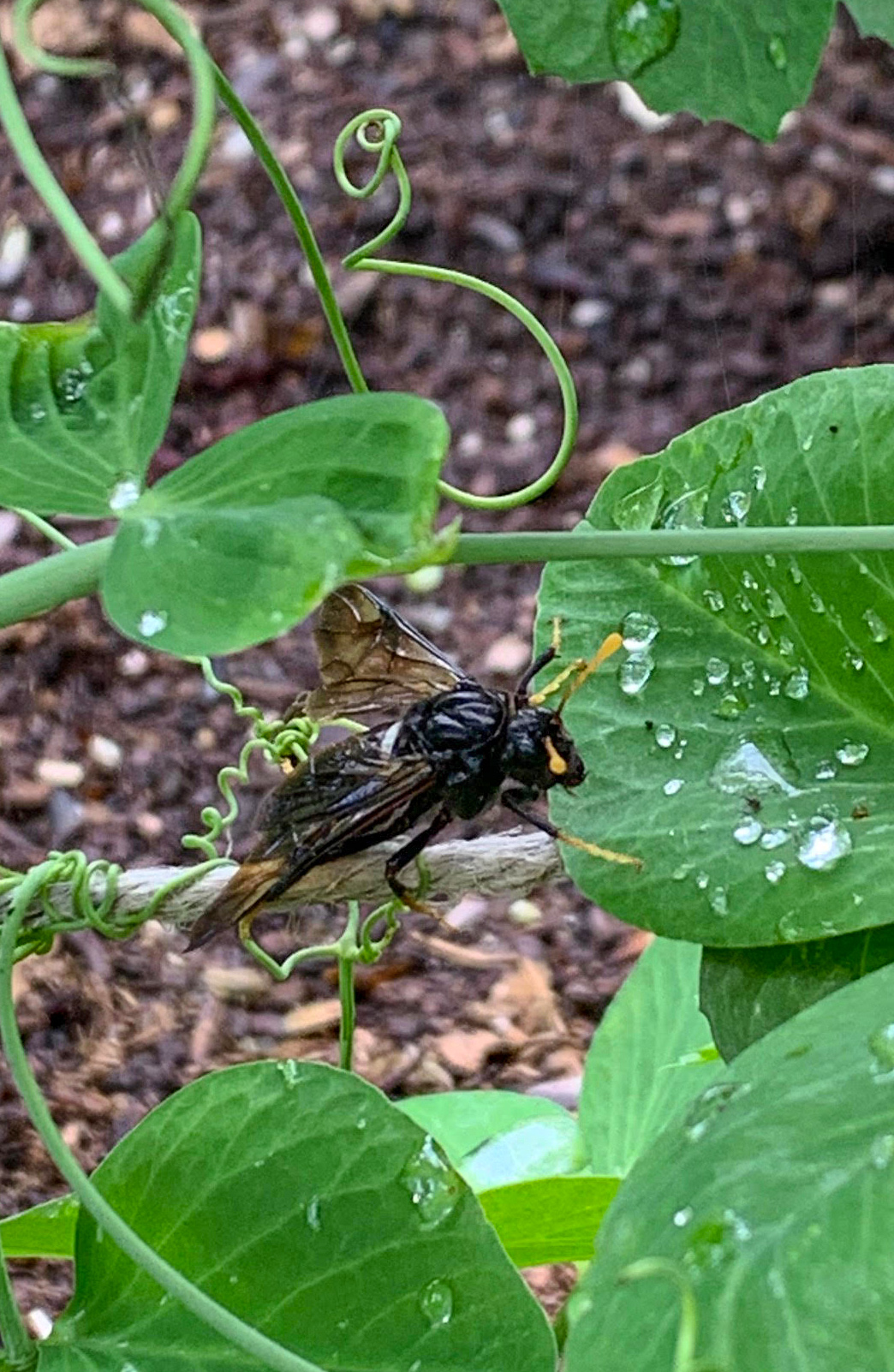
- Elm Sawfly adult (resembles a large wasp) (7/1/2020; Edgecomb, Maine) (Photo by E. Kerr)
-
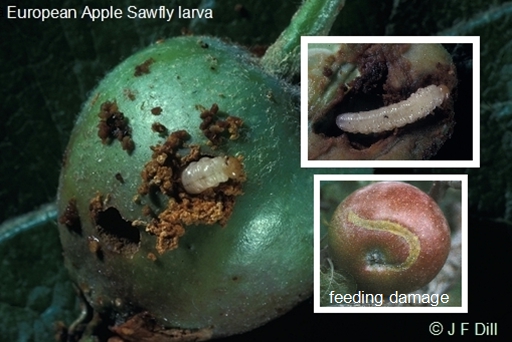
- European Apple Sawfly (larvae)
-
- European Pine Sawfly larva

-
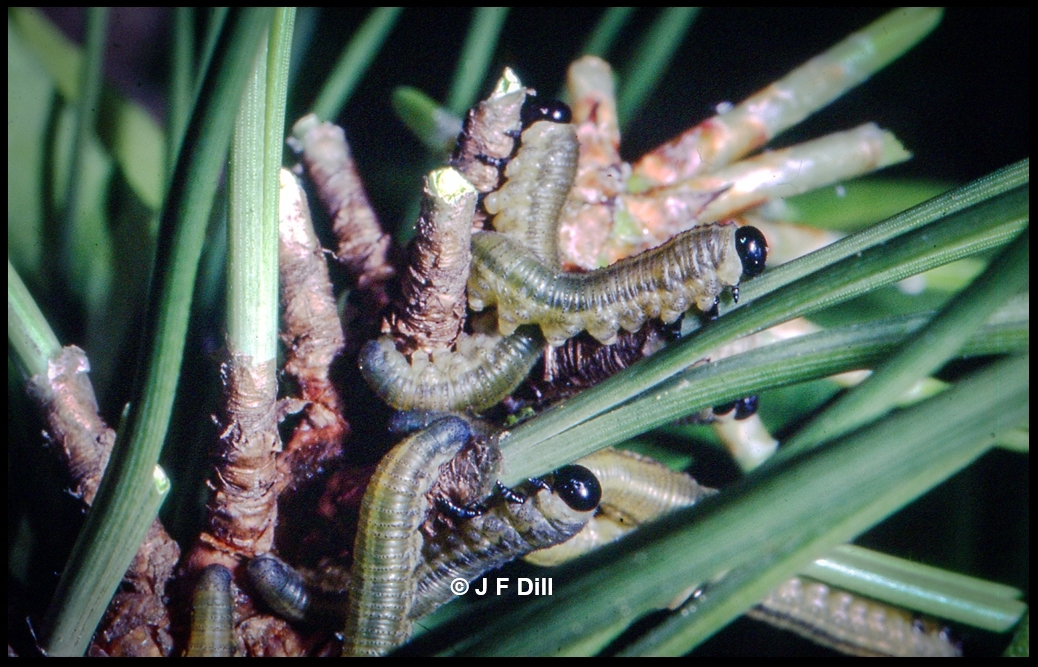
- European Pine Sawfly larvae
-

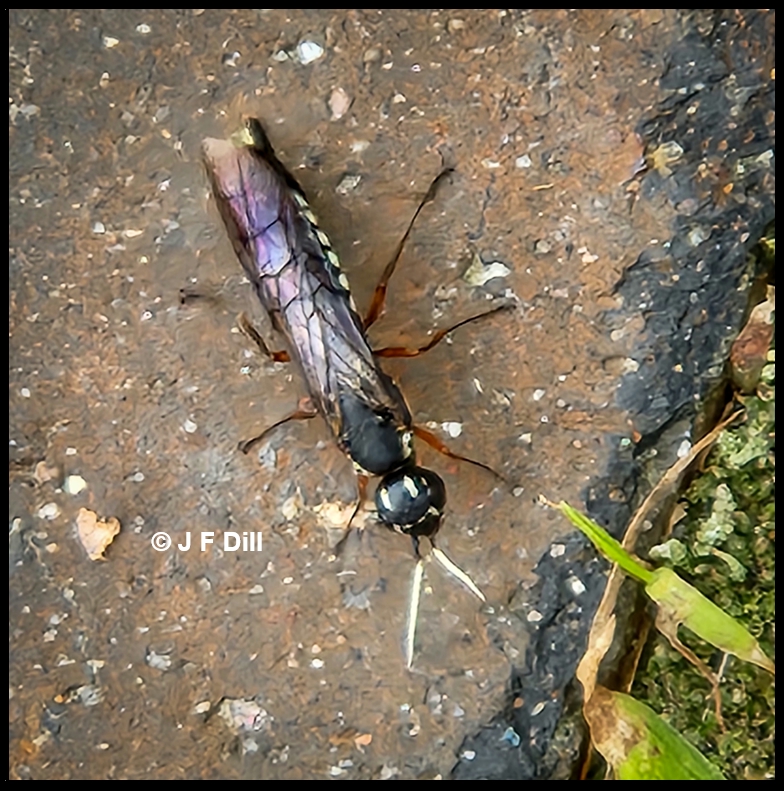
- Maple Wood Wasp (Xiphydria maculata) (Old Town, ME; 7/12/2025)

-

- Maple Wood Wasp (Xiphydria maculata) (Old Town, ME; 7/12/2025)
-
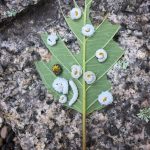
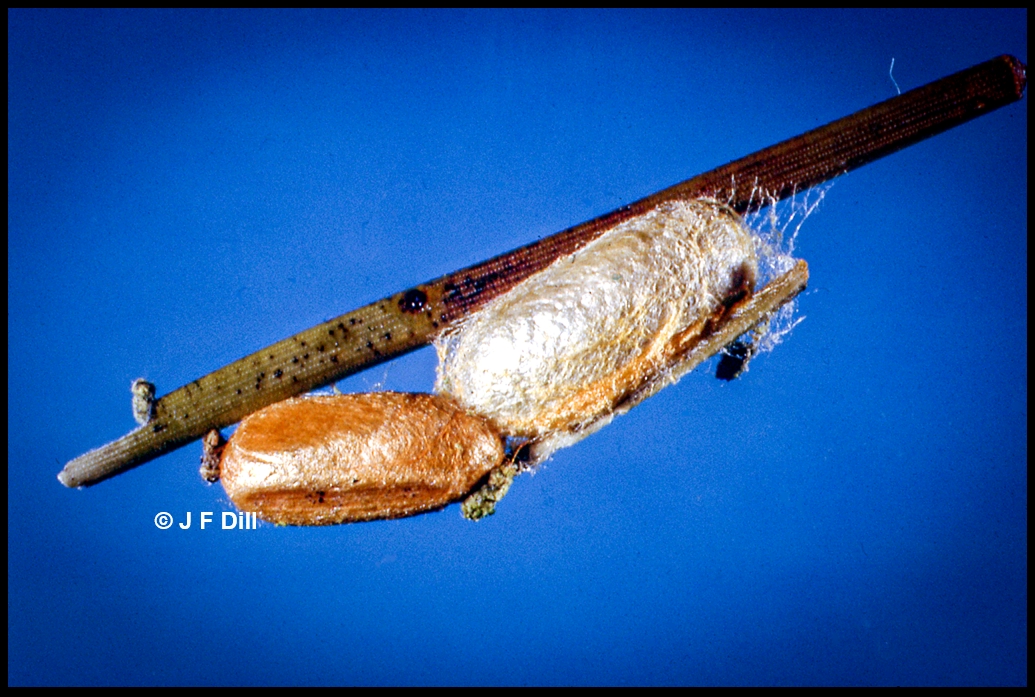
- Two European Pine Sawfly cocoons attached to a pine needle
-
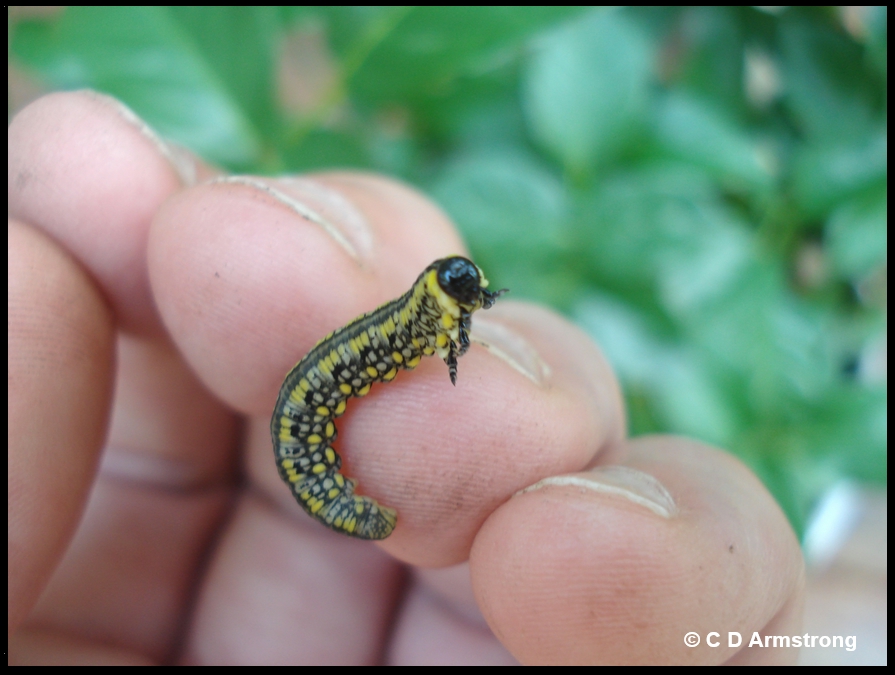
- Introduced Pine Sawfly larva (July 11, 2015) (central Maine)
-
- Introduced Pine Sawfly larva (July, 2015)
-
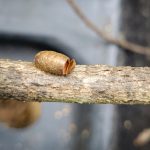
- Empty pupal case from an Introduced Pine Sawfly (8/31/2024; Gray, ME) (Photo courtesy of Jenni Cappello)

-
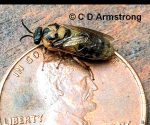
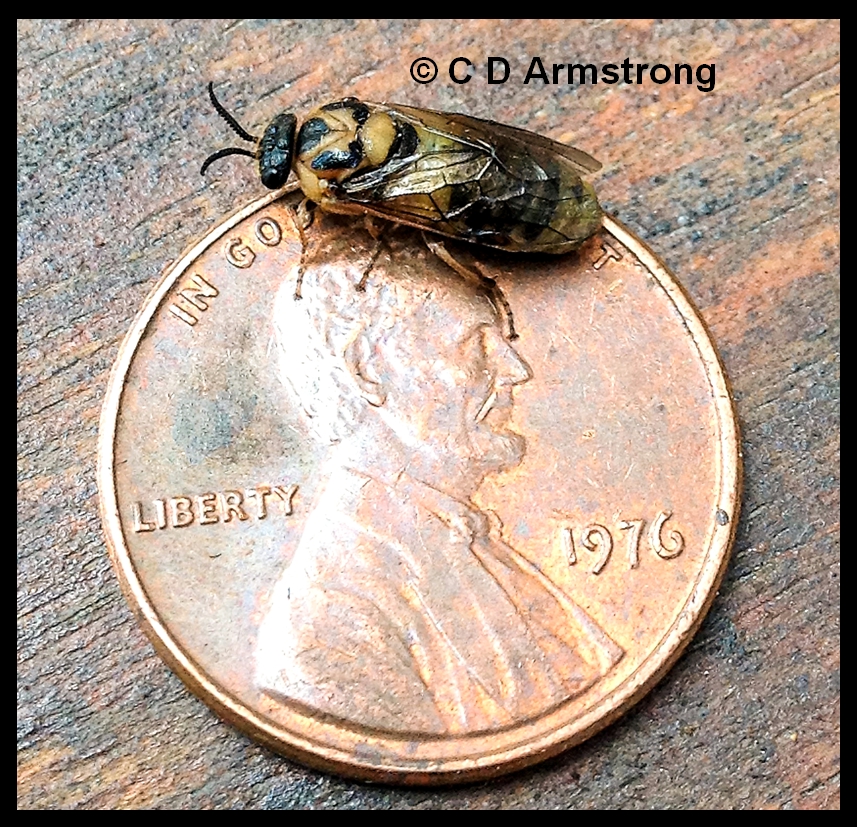
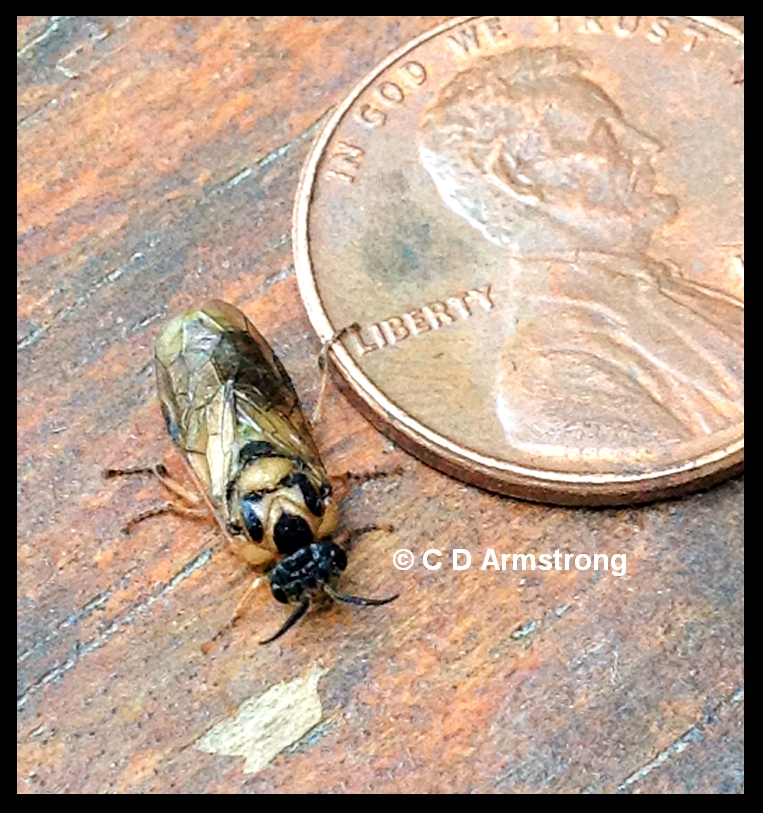
- Introduced Pine Sawfly adult (Etna, ME; 4/15/2020)
-
- Introduced Pine Sawfly adult (Etna, ME; 4/15/2020)
-
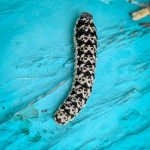
- Tenthredo grandis (Bangor, ME; 7/10/2025) (Photo courtesy of Dori McCormick)

-
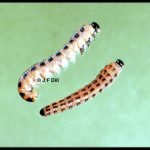
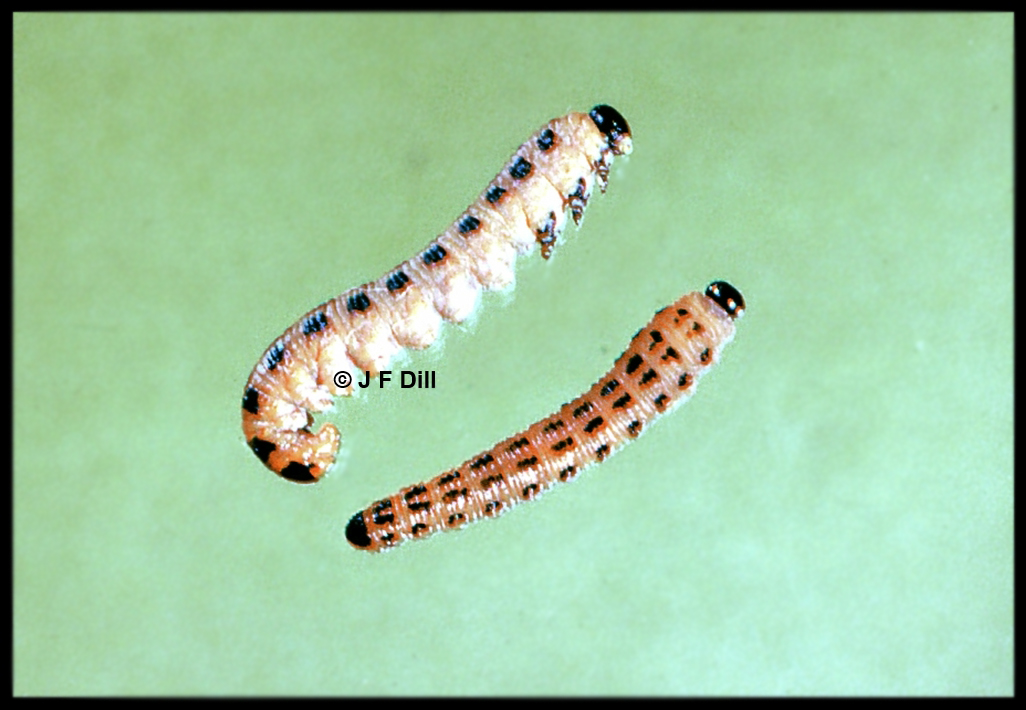
- White Pine Sawfly larvae
-
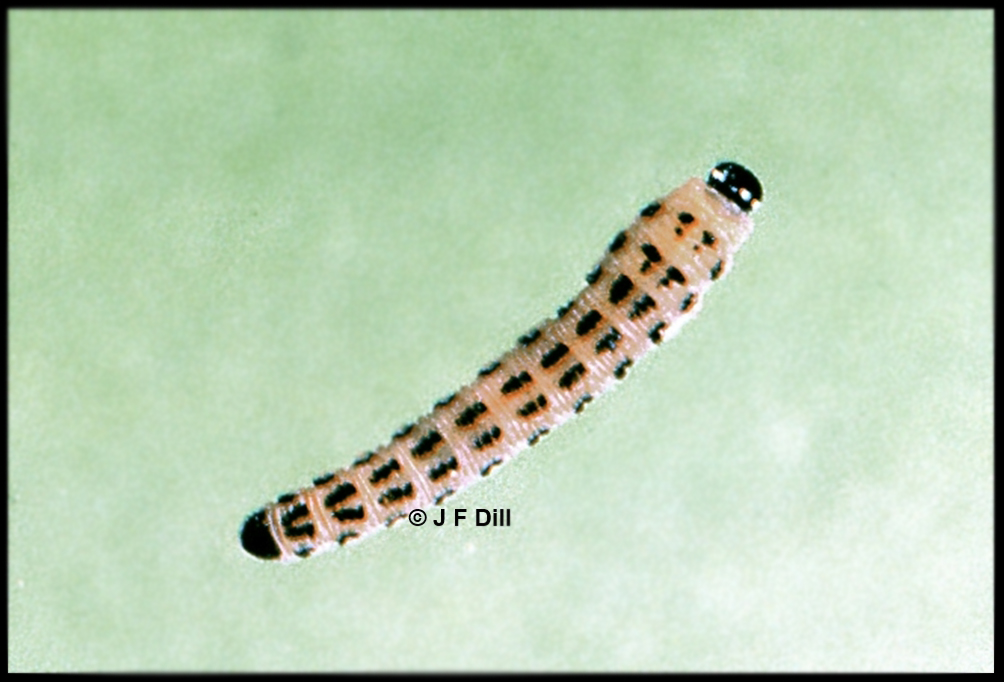
- White Pine Sawfly larva
Sawflies belong to the insect Order Hymenoptera, making them relatives of ants, bees, and wasps. They are sometimes referred to as “plant wasps” and even more often as “stingless wasps” since they highly resemble wasps but do not sting. Sawflies undergo complete metamorphosis, meaning they have four life stages: egg, larva, pupa, and adult. The adult females are characterized by a saw-like appendage called an ovipositor, which they use to cut or ‘saw’ into plants when laying their eggs. This is how they get their common name. Sawfly adults generally have a broad connection between their thorax and abdomen, unlike the narrow waist found in other types of wasps.
The larvae of sawflies are often mistaken for caterpillars due to their similar appearance and plant-eating habits. However, there are key differences that can help distinguish them: Sawfly larvae typically have six or more pairs of fleshy prolegs on their abdomen, while caterpillars have five pairs or fewer. They are also hairless, have really tiny dot-like eyes on a shiny, smooth, button-like head, and many species exhibit a common behavior of frequently curling their posterior end downwards just a little, especially when they’re disturbed.
Additional Photos and Information:
Sawflies (Univ. of Wisconsin Extension) | See also Sawflies (UMN Extension)
- Birch Sawfly (BugGuide.net)
- Elm Sawfly
- Dogwood Sawfly (Iowa State Univ Extension) (additional images, including the adult stage: BugGuide.net)
- Dusky Birch Sawfly (BugGuide.net)
- European Apple Sawfly
- European Pine Sawfly
- Horntails (Family Siricidae)
- Introduced Pine Sawfly
- Maple Wood Wasp (BugGuide.net)
- Red-headed Pine Sawfly (BugGuide.net)
- Sphacophilus cellularis (hosts: plants in the Convolvulaceae family; bindweed/morning glory)
- Striped Alder Sawfly (hosts include red alder, paper birch and willow)
- Tenthredo grandis (hosts are turtleheads/Chelone) (BugGuide.net)
- White Pine Sawfly
- Yellow-headed Spruce Sawfly (BugGuide.net)