
Sweet Corn IPM Newsletter No. 3 — July 18, 2025
CORN EARWORM THREATENS EARLY CORN
Fresh Silking Corn Now Needs Protection
SITUATION
Sweet corn development continues to be rapid under our extended warm weather pattern. Harvest of early plantings may begin this weekend in southern Maine. Many fields are being irrigated this week as conditions are becoming very dry across much of the state. All of the major corn pests are now active, and corn earworm numbers are high enough to warrant protective sprays at nearly all locations with silking corn. European corn borer and fall armyworm feeding damage on plants is increasing in many fields, and has been over the control threshold at several locations.
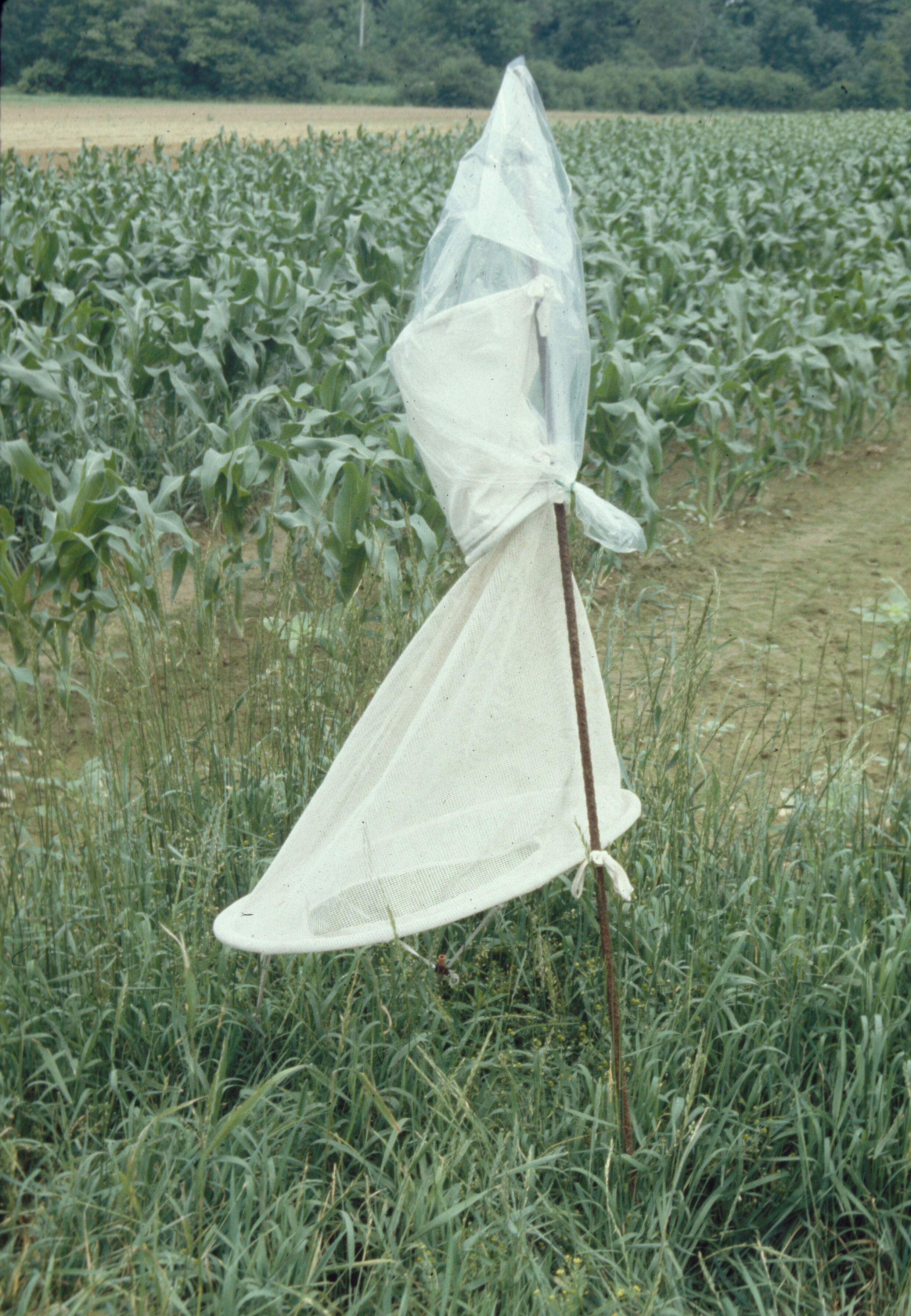
European Corn Borer: Moth captures in pheromone traps did not exceed the control threshold (5) for silking corn this week. Larval feeding damage in late whorl and pre-tassel corn exceeded the recommended spray threshold of 15% injury in Biddeford, so a spray was recommended (see table below).
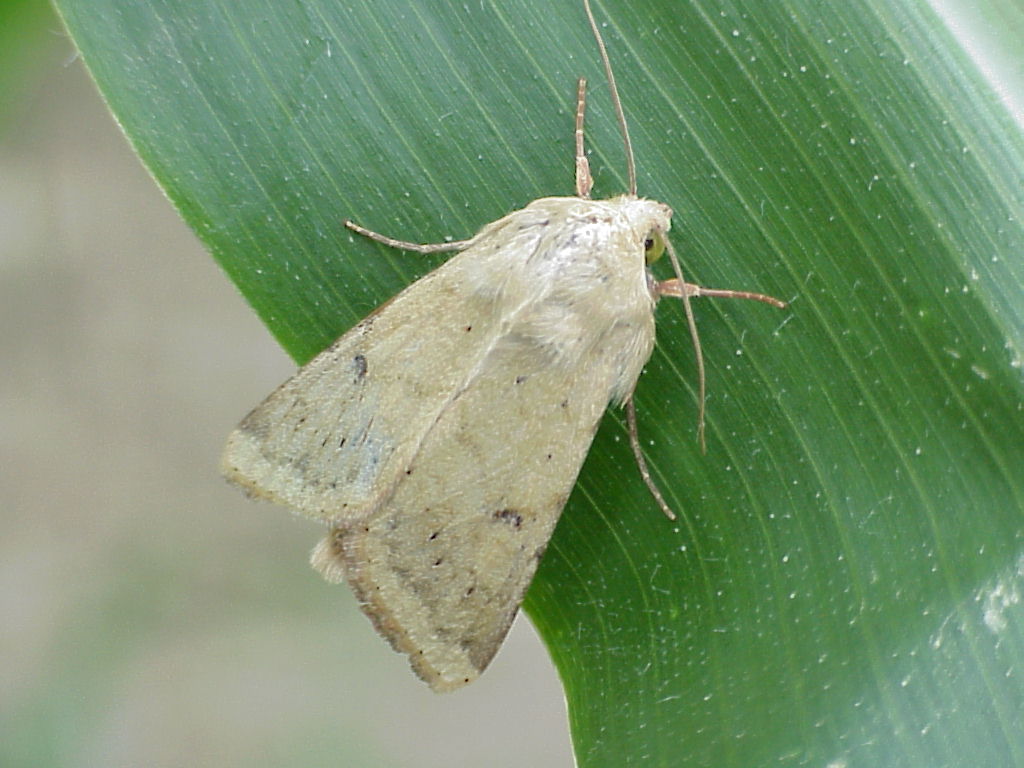
Corn earworm: Moths were caught at nearly all locations this week. This pest is only a concern for fields with corn in the silk stage. Fields not yet in silk do not need to be protected from corn earworm. This week, a four-day spray interval for silking corn was recommended for Auburn; a six-day spray interval was recommended for Dayton, Farmington, Garland, Gray, Lewiston, Oxford, Wayne, and one Wells site.
Fall armyworm: Moths were caught in pheromone traps at several locations this week, but numbers did not exceed the control threshold (3) for silking corn. Armyworm feeding damage has been increasing in some fields and exceeded the control threshold of 15% in Cape Elizabeth.
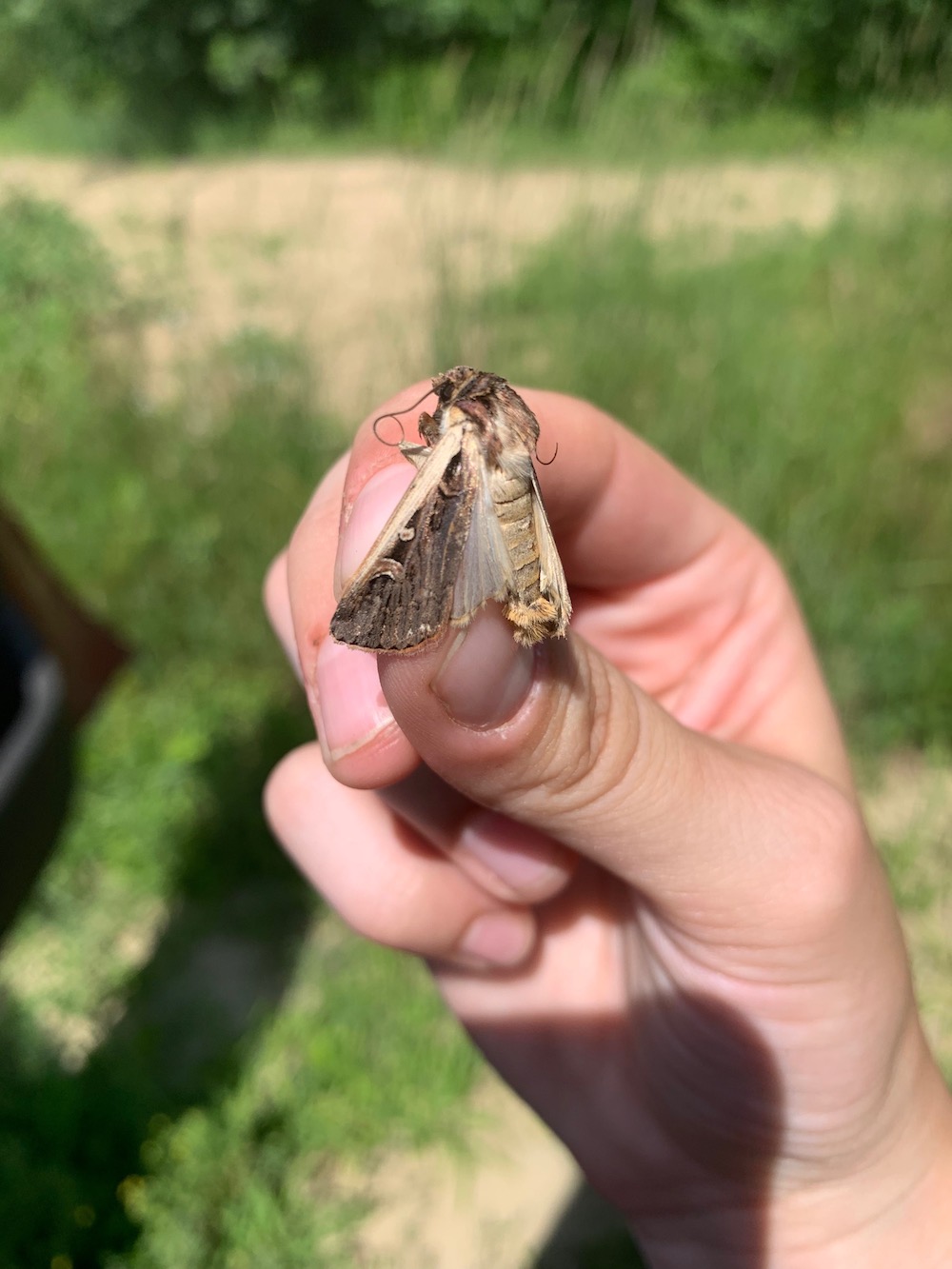
Western Bean Cutworm: We’ve caught moths at several locations this week. The larvae of western bean cutworms feed on corn plants and move into the ears through the silk channels or the husks, similar to fall armyworm. The threshold for feeding injury on plants is 8%. Sprays for corn earworm should protect silking corn from western bean cutworm as well. The optimal time for controlling the larvae is late pre-tassel to tassel, as they move from the leaves and stalk into the ears.
Japanese beetles have been infesting crops this summer. These insects often find their way into cornfields and feed on the leaves, causing an interveinal skeletonizing, which is generally not significant. However, they may also feed on the silks of developing ears, causing poor tip fill. Sprays for European corn borer and/or corn earworm (except Bt’s) usually will control Japanese beetle as well.
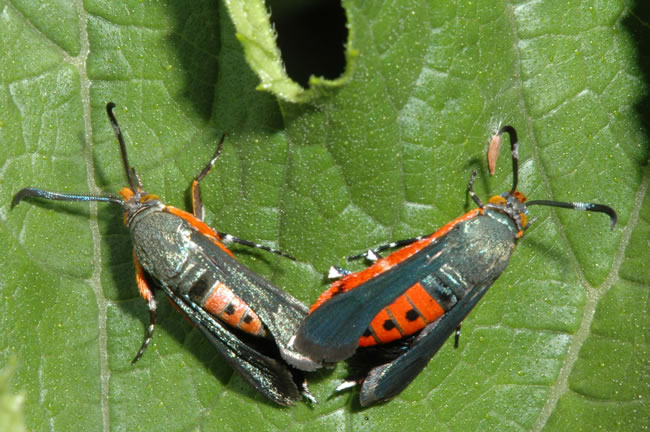
Squash vine borer: The five moth per week threshold was exceeded in pumpkin fields in Gray, Lewiston Farmington, Oxford, and Farmington this week, indicating that this insect still very active in squash and pumpkin fields. Growers should protect all summer squash, winter squash and pumpkins to prevent infestation. Butternut squash, cucumbers are not susceptible. See the New England Vegetable Management Guide for control options.
Sincerely,
David T. Handley
UMaine Extension Vegetable & Small Fruit Specialist
Highmoor Farm
P.O. Box 179
52 U.S. Route 202
Monmouth, ME 04259
207.933.2100
UMaine Extension Diagnostic Research Lab
Pest Management Unit
17 Godfrey Drive
Orono, ME 04473
1.800.287.0279
| Location | CEW Moths | ECB Moths | FAW Moths | %Feeding Damage | Recommendations / Comments |
|---|---|---|---|---|---|
| Auburn | 11 | 0 | 1 | 1% | 4-day spray interval recommended for silking corn |
| Biddeford | 0 | 1 | 0 | 35% | One spray for ECB+FAW feeding damage |
| Bowdoinham | 1 | 1 | 1 | 9% | No spray recommended |
| Cape Elizabeth | 0 | 0 | 0 | 17% | One spray for ECB+FAW feeding damage |
| Dayton | 3 | 1 | 0 | 2% | 6-day spray interval recommended for silking corn |
| Farmington | 3 | 0 | 0 | 1% | 6-day spray interval recommended for silking corn |
| Garland | 3 | 3 | 0 | 1% | 6-day spray interval recommended for silking corn |
| Gray | 2 | 0 | 2 | 3% | 6-day spray interval recommended for silking corn |
| Lewiston | 3 | 2 | 0 | 0% | 6-day spray interval recommended for silking corn |
| Monmouth | 1 | 0 | 1 | No spray recommended | |
| Oxford | 2 | 1 | 0 | 3% | 6-day spray interval recommended for silking corn |
| Wayne | 2 | 0 | 0 | 2% | 6-day spray interval recommended for silking corn |
| Wells I | 3 | 0 | 0 | 7% | 6-day spray interval recommended for silking corn |
| Wells II | 1 | 2 | 0 | 5% | No spray recommended |
CEW: Corn earworm (Only fresh silking corn should be sprayed for this insect.)
ECB: European corn borer
FAW: Fall armyworm
| Moths caught per week | Moths caught per night | Spray Interval |
|---|---|---|
| 0.0 to 1.4 | 0.0 to 0.2 | No spray |
| 1.5 to 3.5 | 0.3 to 0.5 | Spray every 6 days |
| 3.6 to 7.0 | 0.6 to 1.0 | Spray every 5 days |
| 7.1 to 91 | 1.1 to 13.0 | Spray every 4 days |
| More than 91 | More than 13 | Spray every 3 days |
Thresholds apply only to corn with exposed fresh silk. Lengthen spray intervals by one day if maximum daily temperature is less than 80°F.
European Corn Borer Thresholds
Whorl stage: 30% or more of plants scouted show injury.
Pre-tassel-silk: 15% or more of plants scouted show injury.
Silk: 5 or more moths caught in pheromone traps in one week.
IPM Web Pages:
Explore Integrated Pest Management in Maine — UMaine
Integrated Pest Management — UMass Amherst
Where brand names or company names are used, it is for the reader’s information. No endorsement is implied nor is any discrimination intended against other products with similar ingredients. Always consult product labels for rates, application instructions and safety precautions. Users of these products assume all associated risks.
The University of Maine System is an equal opportunity institution committed to nondiscrimination.