
Spotted Wing Drosophila Alert — August 15, 2025
David Handley, Vegetable and Small Fruit Specialist; James Dill, Pest Management Specialist; Phil Fanning, Assistant Professor of Agricultural Entomology; Christina Howard, Maine New Farmers Project Manager
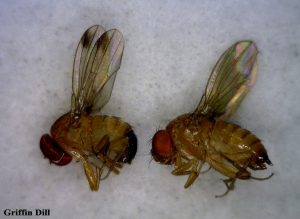
Spotted wing drosophila fruit fly numbers remained relatively stable at our trapping sites this week with no big increases or decreases (see table below). Continued hot, dry conditions and no weather patterns moving insects northward into Maine are keeping populations from increasing significantly, as we expect to see at this time of the season. Changes in these conditions could stimulate higher pressure rapidly. At present, a 7-day spray schedule on ripening fruit should be adequate to prevent infestation by larvae.
If you are growing raspberries, blackberries and/or blueberries, you should be managing spotted wing drosophila on any fruit that is presently ripening and/or being harvested to prevent infestation.
For more information on identifying spotted wing drosophila (SWD) and updates on populations around the state, visit our SWD blog.
Wasps such as yellow-jackets and bald-faced hornets can become serious pests of raspberries, especially during dry seasons, when they feed on ripe fruit and become a hazard to pickers. Wasps are attracted to moisture and sugar, and are very difficult to discourage once they have discovered a good source. To prevent wasps from becoming a problem, harvest frequently and thoroughly. Do not allow over-ripe or injured berries to remain on the plants. Rotting or fermenting fruit is very attractive to wasps. Cover any nearby compost piles or trash receptacles. If you notice wasps starting to visit your field, try to find their nest and destroy it. Wasps build nests underground, in hollow or rotten logs, in trees and in or on houses. Follow all precautions for using wasp-destroying compounds. If the nest cannot be found, several types of wasp traps are available which may offer some relief. The keys to successfully using traps are to determine the appropriate bait for the type of wasp, placing the traps out early, i.e. before the wasps become a problem, and deploying them around the perimeter of the entire field. Applying insecticides to the raspberries is difficult because the wasps are present when the fruit are ripe and pickers are present, so the products used and timing must be carefully considered to ensure the safety of all concerned. When using pesticide products, always read and follow all instructions and precautions.
Other IPM Web Pages
Michigan State University Spotted Wing Drosophila
Penn State University Spotted Wing Drosophila Overview
University of New Hampshire SWD Weekly IPM Reports
David T. Handley
Vegetable and Small Fruit Specialist
Highmoor Farm
P.O. Box 179
Monmouth, ME 04259
207.933.2100
UMaine Extension Diagnostic Research Lab
Pest Management Unit
17 Godfrey Drive
Orono, ME 04473
1.800.287.0279
| Town | SWD weekly trap catch 7/25/25 | SWD weekly trap catch 8/1/25 | SWD weekly trap catch 8/8/25 | SWD weekly trap catch 8/15/25 |
|---|---|---|---|---|
| Wells | 3 | 65 | 113 | 135 |
| Springvale | 6 | 17 | 22 | 67 |
| New Gloucester | 37 | 94 | 478 | 190 |
| Cape Elizabeth | 16 | 67 | 107 | 474* |
| Bowdoinham | 45 | 21 | 21 | 27 |
| Mechanic Falls | 0 | 0 | 14 | 86* |
| Monmouth | 2 | 37 | 145 | 40 |
*plot is no longer being sprayed
Where brand names or company names are used it is for the reader’s information. No endorsement is implied nor is any discrimination intended against other products with similar ingredients. Always consult product labels for rates, application instructions and safety precautions. Users of these products assume all associated risks.
The University of Maine System is an equal opportunity institution committed to nondiscrimination.