
Strawberry IPM Newsletter No. 5 — June 12, 2026
Strawberry Harvest Begins in Southern Maine
Pest Pressure Moderate; Look Out for Fruit Rots, Drosophila and Leafhoppers
Situation
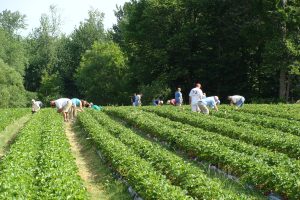
Early varieties in southern Maine are showing some ripe fruit this week, and some growers will start spot picking for stand sales. It looks like the season may be a couple of days early in some spots, but mostly right on time. Overall crop quantity and quality look very good. Insect and disease pressure remain moderate, but growers should continue scouting for tarnished plant bug, spider mites, leafhoppers and foliar diseases.
Two-spotted spider mites: Mites continue to be present in most fields, but predator species were also observed this week, and in most cases should be given a chance to proliferate. After harvest, the renovation process may reduce mite populations. Any controls should wait until after the new leaves emerge later in the summer and mites are observed infesting them.
Spotted wing drosophila (SWD) can be a major problem in strawberry fields, especially late in the season. Typically, this pest does not build up to damaging numbers until late in the summer, but it can infest fields earlier if conditions are conducive. Fruit become soft, have no shelf life, and small, white larvae can be found within the flesh. Be on the lookout for this problem throughout the harvest season. If found, management of this pest can be achieved through sanitation and pesticide applications. For updates, visit our SWD Alert page on the Highmoor Farm website.
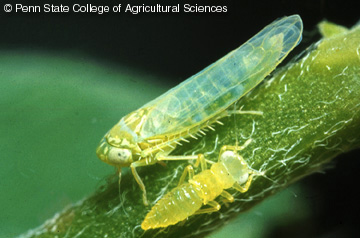
Potato leafhoppers: These small, bullet-shaped insects feed on plant sap from the undersides of leaves, causing the leaves to become curled, stunted and yellow-streaked. Symptoms are often first noticed in new strawberry plantings and may look like herbicide damage. Leafhoppers will also infest older plantings and a variety of vegetables, flowers and fruit crops. To scout for leafhoppers, brush the leaves of the plants with your hand. The small, whitish adults can be seen flying off the plant. Examine the underside of some injured leaves. Look for small, light green leafhopper nymphs. They are about 1/16 inch long. When touched, they will crawl sideways in a crab-like manner. Controls for potato leafhoppers include Assail®, malathion, carbaryl or Provado®.
Gray Mold: A reminder that if a field receives more than an inch of rain or overhead irrigation before harvest, another protective fungicide application should be considered. Consider using a product that controls anthracnose fruit rot as well (see below).
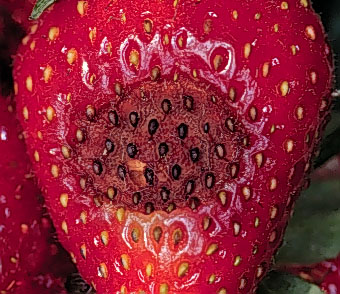
Anthracnose fruit rot: As fruit starts to size up and ripen in fields that are wet from recent rains, be on the lookout for this fruit rot. Anthracnose is favored by warm, humid conditions and can spread rapidly under rainy, wet conditions, especially if puddles remain in a field after the rain. Anthracnose appears as black sunken lesions with wet, orange (and sometimes gray) spore masses in them. The fungus is able to multiply on leaves without visible symptoms, which is why it may appear suddenly and widespread in a field. Fungicide products for gray mold may not be effective for anthracnose. Products including Cabrio and Abound can provide good control of anthracnose fruit rot.
Birds, especially cedar waxwings, are moving into fields to feed on ripe fruit. Only by keeping a near constant presence in the field and eliminating roosting sites can you reduce the damage. Avian Control, a chemical repellent containing methyl anthranilate is registered for use on strawberries. Some growers have found this to be helpful, others have seen little effect. Use the higher rate on strawberries and begin applications before the birds are regularly feeding in the field. Songbirds, including cedar waxwings are protected by law and should not be killed.
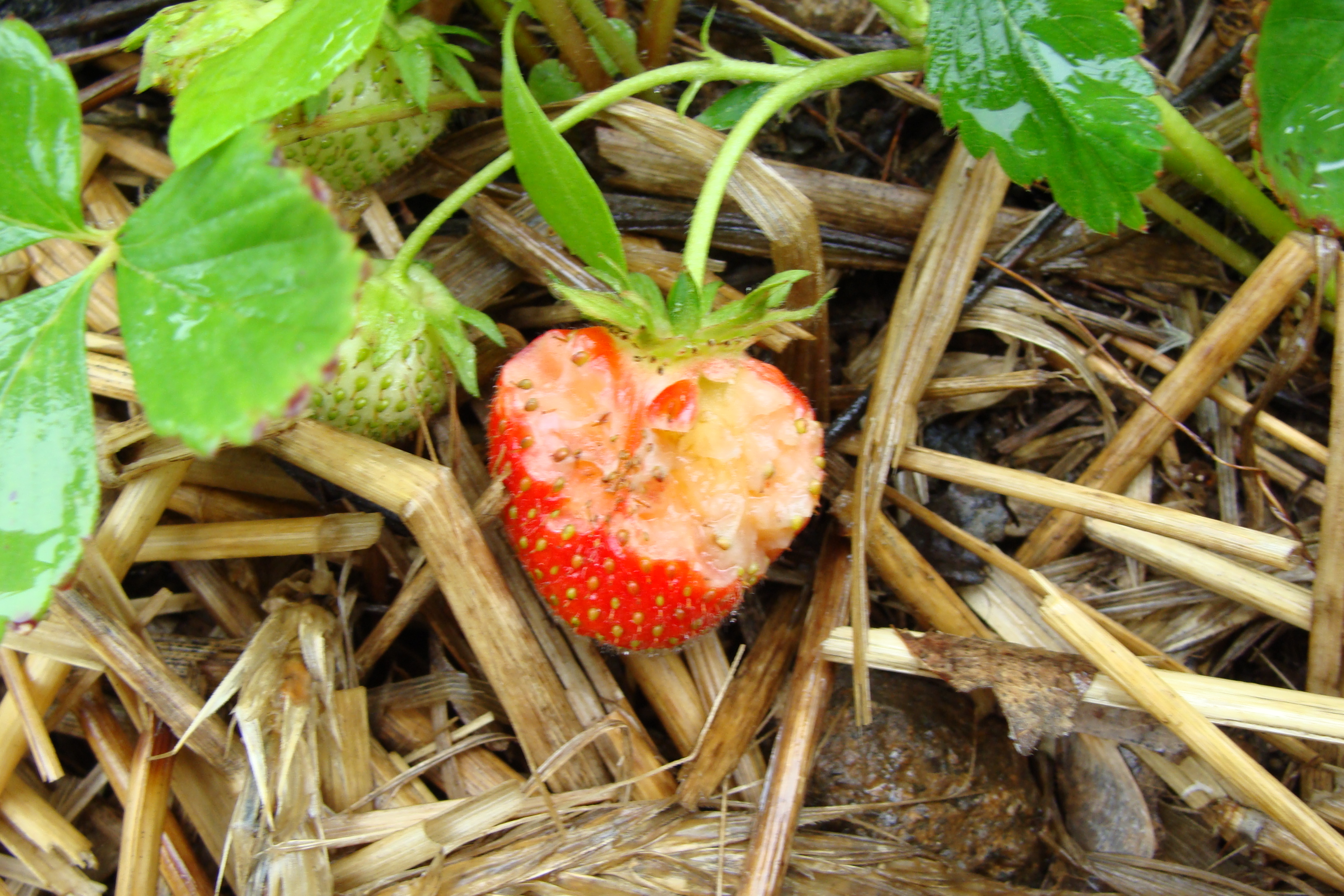
Bird Damage Prevention for Northern New England Fruit Growers is a free online publication offered by the University of New Hampshire Extension.
Annual Pre-Harvest Checklist for Pick-Your-Own
It’s that time again! As harvest approaches, we like to remind you to take a moment and make sure that your farm is prepared to give your customers an enjoyable experience. Take our annual review below!
- Your online social media (e.g. Facebook) presence is up to date
- Signs to the farm are neat and easy to read.
- There is easy access to the fields and plenty of parking.
- Someone is ready to greet customers and offer parking instructions and directions to the field.
- Access to the field is free of hazards.
- Transportation is provided for those who need it
- The rules regarding picking are clearly posted.
- Someone is in the field to show customers where to pick and to answer questions.
- There are plenty of picking containers available.
- Clean restroom and hand-washing facilities are available.
- Someone is available to help customers carry fruit out of the field.
- The checkouts are fast and efficient.
- Beverages are available.
- Shade and seats are available for customers wanting to rest.
- The help are friendly and knowledgeable.
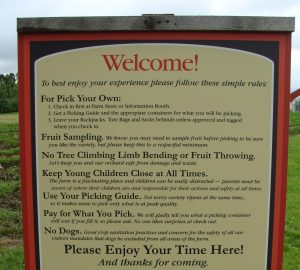
A friendly, clean, and organized atmosphere will leave a lasting impression on your customers, encouraging them to come back and to recommend your farm to their friends.
You can also view past newsletters, along with full color pictures, on the UMaine Highmoor Farm’s strawberry newsletters page or the UMaine Pest Management web page. If you have questions about the Newsletter, please give us a call at 207.933.2100 or send an e-mail to david.handley@maine.edu.
The best way to manage strawberry pests is to scout your own fields regularly and often. You should begin to scout as soon as flower buds emerge from the crowns and continue to monitor the plantings one or two times per week up until harvest.
Sincerely,
David T. Handley
Vegetable & Small Fruit Specialist
Highmoor Farm
P.O. Box 179
Monmouth, ME 04259
207.933.2100
Pest Management
17 Godfrey Drive
Orono, ME 04473
1.800.287.0279
Where brand names or company names are used, it is for the reader’s information. No endorsement is implied nor is any discrimination intended against other products with similar ingredients. Always consult product labels for rates, application instructions and safety precautions. Users of these products assume all associated risks.
University of Maine Cooperative Extension is an equal opportunity institution and provider committed to nondiscrimination. For more information, visit extension.umaine.edu/nondiscrimination.